Why Camping Popularity Is at an All-Time High — And Why That Is Great News for You
-
| Founder & Content Creator

Latest Posts
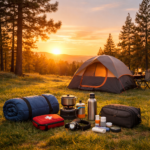
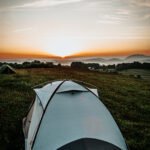
Camping popularity has never been higher — and if you have not yet experienced what all the fuss is about, this might be the piece that finally convinces you to go. Something quietly extraordinary happened to the world’s relationship with the outdoors over the past few years. Millions of people who had never camped before pitched their first tent. Millions who had not camped since childhood went back. And almost all of them discovered the same thing: nature is a remarkably effective antidote to an overloaded modern life.
The great outdoors was not just calling. It was sending texts, leaving voicemails, and turning up at the door with a sleeping bag under its arm. After years of screens, schedules, and the particular exhaustion that comes from being constantly connected to everything and genuinely present in nothing — the outdoors offered something radical: simplicity.
In this post, we explore why camping popularity has reached record levels, what is driving this remarkable outdoor renaissance, and — most importantly — why it might be exactly what you are looking for too.
The Numbers Don’t Lie: Camping Is Having Its Biggest Moment Ever
What the Latest Camping Statistics Tell Us
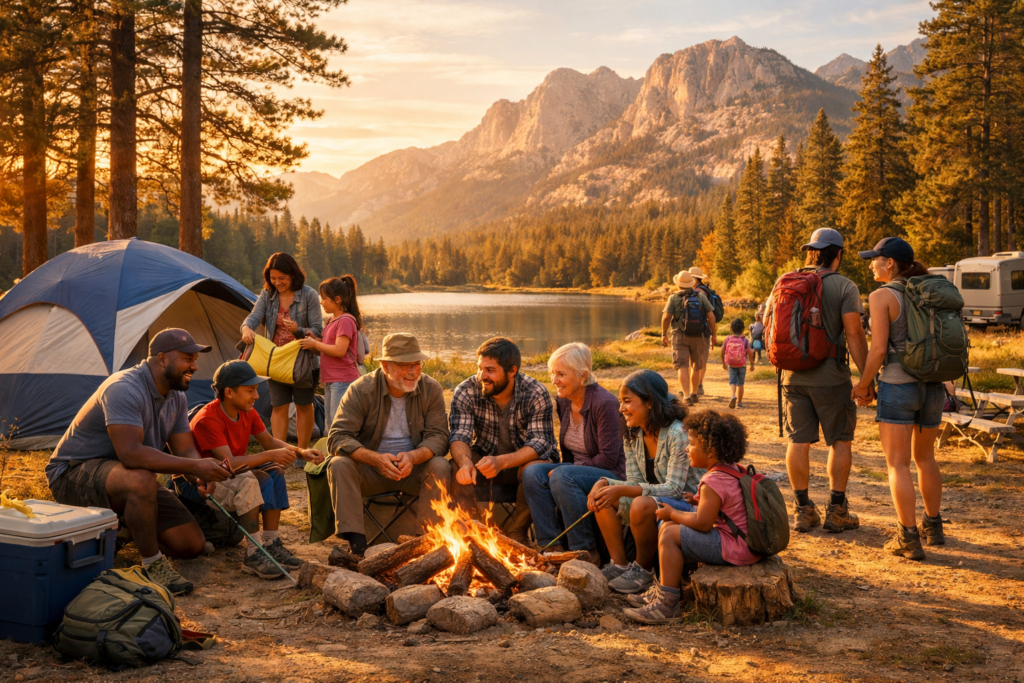
Let us start with a number that genuinely stopped us in our tracks: according to KOA’s 2026 Camping and Outdoor Hospitality Report, more than 52 million North American households camped in 2025 — exceeding pre-pandemic participation levels and driving a $66 billion economic footprint. That is not a pandemic blip. That is a permanent shift in how people choose to spend their time and money.
The global camping equipment market tells a similar story. Valued at $96.75 billion in 2025, it is projected to more than double to $207 billion by 2034. Outdoor recreation participation increased by 34% between 2019 and 2022, and that growth has continued steadily into 2025 and 2026. Hiking gained over 2 million new participants in 2025 alone. Camping was right alongside it.
But perhaps the most telling data point is this: for the first time on record, over half of American women participated in outdoor recreation in 2024. Senior participation grew by 11.5% year-over-year. Camping is no longer a niche hobby for any particular group. It belongs to everyone — and increasingly, everyone knows it.
THE STAT TELLS THE WHOLE STORY
Short camping trips of 1-3 nights accounted for 60% of all camping in 2025. People are not waiting for annual holidays. They are sneaking out on Friday evening and coming back Sunday night, genuinely recharged. Hybrid work arrangements have made this possible in a way that was not available to previous generations. The weekend camping trip has become the new Sunday brunch — and considerably more restorative.
Why Camping Popularity Exploded After the Pandemic
Nature as a Reset Button — What We Rediscovered
Here is the thing about the pandemic that nobody planned for: it made us miss something we had forgotten we needed. Not restaurants. Not airports. Not even offices, though some people will tell you otherwise. What we missed was space. Open, uncurated, unscheduled, unhurried space. The kind where you can sit for an hour watching the light change on a hillside and not feel like you should be doing something else.
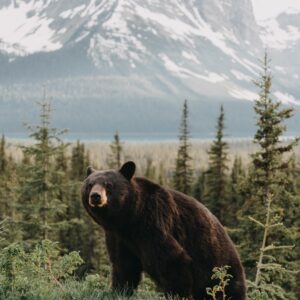
When restrictions lifted, millions of people did not rush back to the things they had done before. They went outside. Camping trips booked out weeks in advance. Campgrounds that had been quietly ticking along for decades found themselves overwhelmed. REI reported record sales of camping gear. And on Reddit, camping forums that had been steady communities of enthusiasts suddenly swelled with first-timers asking the most endearing questions — ‘Do I really need a sleeping bag liner?’ and ‘Is a bear going to eat my tent if I keep snacks in it?’
The answer to both of those, for the record, is yes and please do not.
Safety, Space and Simplicity — Why Camping Won During Lockdown
During the pandemic, camping offered something that no other holiday format could: safety through space. When half of all travelers surveyed said camping was the safest type of trip they could take, it was not a reluctant second choice. For many, it was the first time they realized that the best holiday they had ever taken might involve a tent, a fire, and absolutely no Wi-Fi.
That discovery has not been undone by the reopening of hotels and airports. Camping popularity has kept growing precisely because the people who tried it for the first time did not find a compromise — they found a preference.
The Proven Benefits of Camping That Keep People Coming Back
Camping and Mental Health — What Science Actually Says
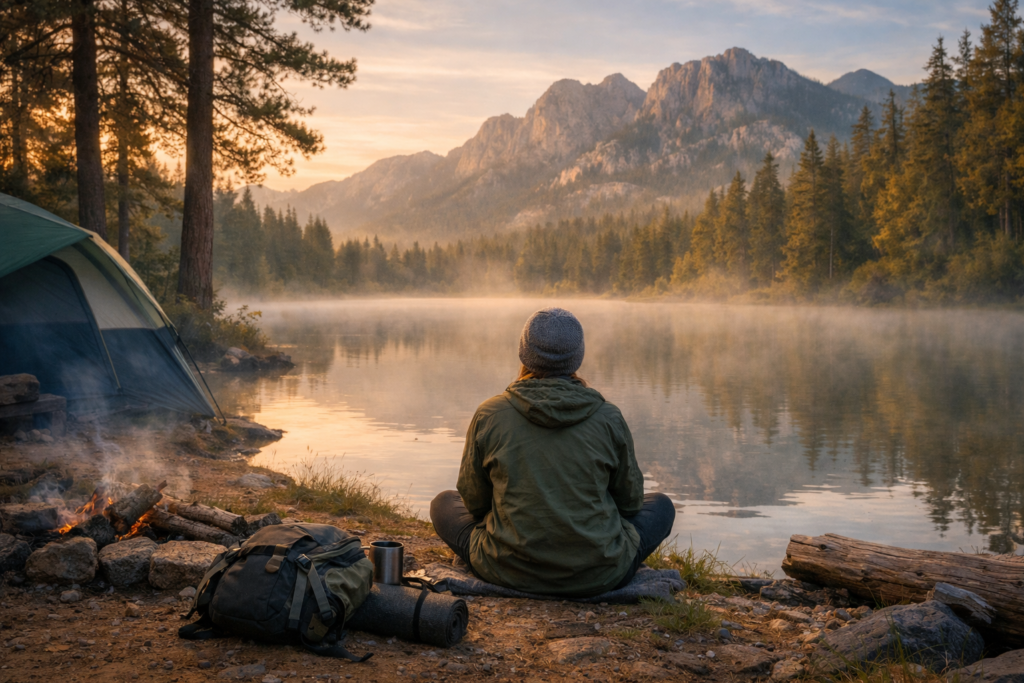
Forest Bathing — Ancient Practice, Modern Science
Camping is good for you. Not ‘nice to have’ good. Measurably, scientifically, clinically good. Studies published in peer-reviewed journals have documented reduced cortisol levels, lower blood pressure, improved mood, and significantly better sleep quality in people who spend regular time outdoors. These are not anecdotal benefits. They are documented outcomes.
The Japanese practice of Shinrin-yoku — forest bathing — involves nothing more than spending mindful time among trees. No exercise required. No destination to reach. Just presence in a natural environment. Clinical research shows it reduces stress hormone levels within 20 minutes. Twenty minutes. The commute to your office probably takes longer than that and achieves precisely the opposite effect.
And sleep. Let us talk about sleep for a moment, because this surprises almost everyone who tries camping for the first time. Sleeping outdoors — with natural light cues at dawn and genuine darkness at night — resets the circadian rhythm within days. Campers consistently report falling asleep earlier, sleeping more deeply, and waking more refreshed than they do at home. Your body was designed to respond to natural light cycles. A tent, it turns out, is a remarkably effective sleep clinic.
Physical Benefits of Spending Time Outdoors
Camping is not just a mental health intervention in a sleeping bag. The physical benefits stack up impressively. The combination of hiking, cooking over a fire, setting up camp, and simply moving through natural terrain consistently puts campers well above their typical daily step counts. Fresh air, vitamin D from sunlight, physical activity without the psychological weight of ‘exercise’ — camping delivers all three simultaneously without anyone feeling like they are doing something virtuous.
Family Camping: Where Screens Go to Die (In the Best Way Possible)
Here is a question worth sitting with: when was the last time the whole family was in the same place at the same time with no competing screens, no background television, no notifications, and genuinely nothing else to do except be together? If you are struggling to remember, you might have just found your reason to go camping.
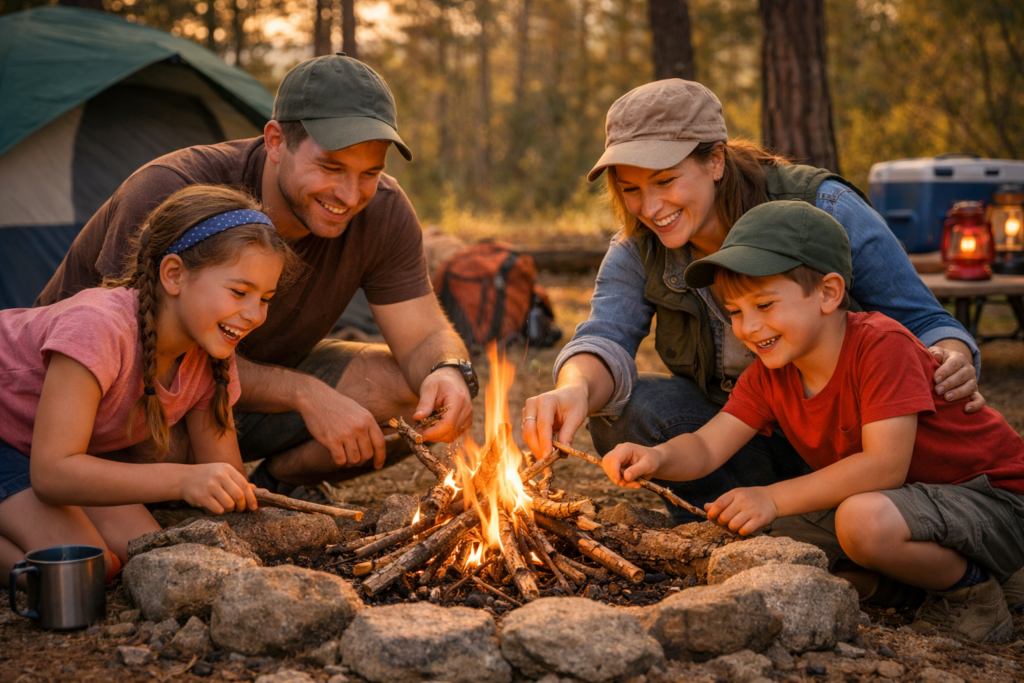
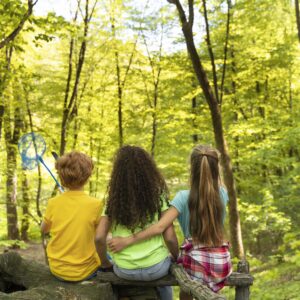
Family camping has seen remarkable growth precisely because it delivers something that no hotel, resort, or carefully planned city break can quite replicate: uninterrupted time. The kind where children ask questions because they are genuinely curious rather than because they are bored of a screen. The kind where dinner takes two hours because nobody wants the conversation to end.
What Children Gain From Camping That Money Cannot Buy
Children who camp regularly show measurably stronger problem-solving skills, improved social confidence, greater resilience, and a more developed relationship with risk and independence. These are not abstract outcomes. They are the direct result of navigating an environment that does not bend to fit them — where you actually have to learn to start a fire, read a trail, manage discomfort, and cooperate with other people to get things done.
There is a reason why the most interesting adults you know often have good camping stories. The outdoors teaches in a language that classrooms cannot replicate.
Camping on a Budget: The Holiday That Punches Above Its Weight
The Real Cost Comparison — Camping vs a Hotel Weekend
Let’s talk money — because this is where camping’s case becomes genuinely difficult to argue against. The average camping trip costs a fraction of an equivalent hotel break. State parks charge entry fees that would not cover a taxi to most city centre hotels. A campsite pitch for a family of four for two nights typically costs less than one night in a mid-range hotel room. And you get the better experience.
That is not a small claim, so let us back it up. Consider a family of four for a long weekend:
| CAMPING VS HOTEL — REAL COST COMPARISON |
| Hotel weekend (2 nights, family room, mid-range): $400-$700 | meals out: $200-$400 | Total: $600-$1,100 |
| Camping weekend (2 nights at state park): $30-$60 | groceries and campfire meals: $80-$120 | Total: $110-$180 |
| Saving: $500-$900 per trip | plus: more space, more freedom, more fresh air, better sleep |
NOTE: First-time campers need gear — but good starter gear (tent, sleeping bags, basic kit) can be rented or bought second-hand for under $200. Reused across subsequent trips, the cost per trip drops further every time.
Camping also has a quiet superpower when times get financially tricky. While flights get expensive and international travel feels complicated, a campground a couple of hours down the road offers a genuinely wonderful break at a price that does not require a second mortgage. The KOA 2025 report confirmed what most campers already know — when money is tight, camping does not feel like a compromise. It feels like the smarter choice.
The Rise of Glamping: When Camping Got a Glow-Up
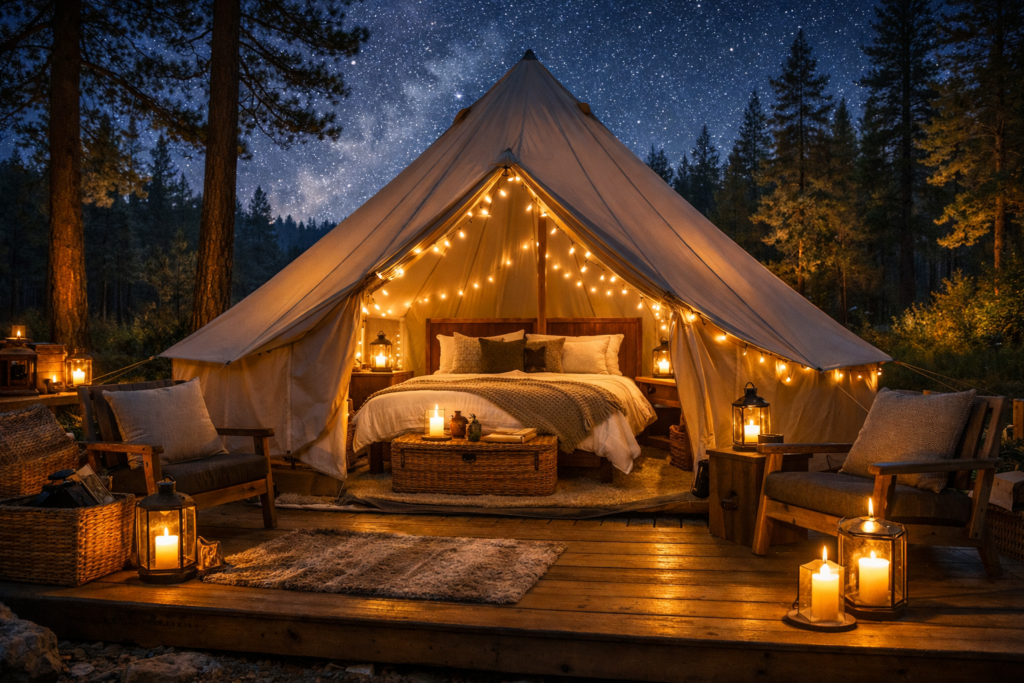
Not everyone who rediscovered the outdoors during the pandemic was immediately ready to sleep on the ground and call it a holiday. And honestly? That is completely understandable. Enter glamping — glamorous camping — which has emerged as one of the fastest-growing sectors in the entire travel industry.
Nearly a third of all camping nights in North America now happen at glamping resorts and private campgrounds — the highest on record. That number keeps growing because glamping offers something traditional camping cannot always guarantee: genuine comfort alongside genuine nature. For a lot of people, that combination is exactly what they were looking for.
Who Is Glamping For?
The Difference Between Glamping and Traditional Camping
Glamping sits in a genuinely interesting position between traditional camping and boutique hotel stays. Where traditional camping asks you to bring everything and do everything yourself, glamping provides the environment and much of the infrastructure — think real beds, heating or cooling, often a private bathroom, and sometimes even catered meals. You bring yourself, your sense of adventure, and perhaps a good book.
Glamping is not a lesser version of camping. It is a different product serving a different need. It is also, for many people, the entry point to a broader outdoor lifestyle. Plenty of committed tent campers started their journey in a glamping yurt and discovered, one trip at a time, that they wanted more.
Curious about glamping? Our [glamping guide for first time glampers] breaks down what to expect, how to choose the right experience, and how to make the most of your first luxury outdoor stay.
How Technology Is Making Camping More Accessible Than Ever
Camping Apps and Digital Tools That Make It Easier
Let us be honest about the irony here. The thing most of us want a break from — our phones — is also the thing that has made camping more accessible than ever. Finding and booking a campsite used to require a guidebook and a phone call. Now it takes thirty seconds on an app. Getting lost used to be a genuine risk. Now your phone has downloaded the trail map offline. That bird you spotted? Identified in seconds. The weather on Sunday? Checked and confirmed. Technology quietly removed most of the barriers that used to make camping feel daunting — now it is just up to you to actually go.
For first-time campers this is genuinely game-changing. The biggest barrier used to be simply not knowing where to start. Now you can research campsites, read real reviews, check requirements, and book your pitch in one sitting on your phone. The same phone you will barely look at once you are actually there. That is the best possible use of technology — it gets you to the adventure, then gets out of the way.
- The Dyrt — camp discovery, booking, and reviews across thousands of sites
- AllTrails — trail maps, difficulty ratings, and user reviews for hiking routes near your campsite
- iNaturalist — identify plants, insects, birds, and animals photographed on trail
- Weather.com and Mountain Forecast — precise campsite-specific weather forecasting
- Google Maps offline downloads — download your camping area before you leave mobile signal
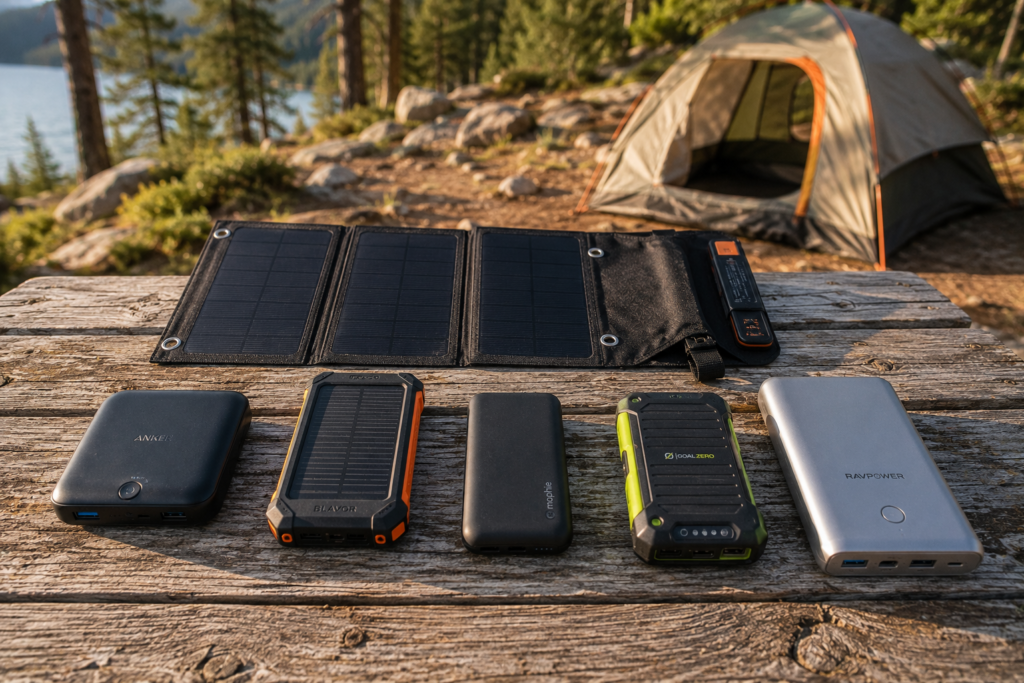
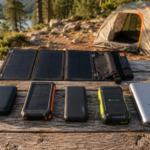
Camping gear has changed enormously. Tents are lighter, smarter, and easier to set up than ever before. Solar panels the size of a magazine keep your devices charged. Sleeping pads inflate on their own. Water filter bottles make any stream drinkable. What once felt like expensive, specialist equipment is now affordable, beginner-friendly, and available everywhere. The gear is no longer a barrier. It is an invitation.
Camping Trends Shaping the Outdoors in 2025 and Beyond
New Camper Demographics — Who Is Actually Joining
Why More Women and Young People Are Camping
One of the biggest camping trends in recent years is a change in who is actually doing it. Camping used to feel like a hobby with a fairly narrow audience. Not anymore. Today’s campers are younger, more diverse, and more female than ever before in the activity’s history.
For the first time on record, more than half of American women took part in outdoor recreation in 2025. Senior participation grew by 11.5% in a single year. Youth participation grew by 5.6%. Camping is genuinely broadening — and that is a wonderful thing.
Hybrid working has opened the door even wider. When you can work from anywhere on a Friday, a weekend camping trip becomes far more achievable. Short trips of one to three nights now account for 60% of all camping. Camping has stopped being the holiday you plan months in advance and started being the weekend you decide on mid-week. You go on Friday. You come back on Sunday. You feel better.
The Camping Community: Why Outdoor Culture Is Genuinely Welcoming
Ask any experienced camper what surprised them most about camping culture and the answer is almost always the same: how genuinely nice everyone is. Not polite-nice. Actually nice. The kind where a stranger from the neighbouring campsite notices your fire is struggling and appears with a firelighter before you have even thought to ask. The kind where you post a slightly embarrassed question on a camping forum — “is this tent peg going in the right way?” — and get twelve kind, patient answers within the hour.
This same generosity has moved online. Camping communities on Reddit and other forums count millions of members who share honest reviews, trail tips, budget hacks, and genuine first-timer encouragement with complete strangers every single day. These communities have quietly removed one of the biggest barriers to trying camping for the first time — the nagging feeling that everyone else already knows exactly what they are doing and you are the only one who does not.
You are not behind. You are exactly where every single experienced camper once stood — confused about tent pegs, slightly over-packed, and about to have a brilliant time. The community already knows this. That is why they are so happy to see you.
Social Media and the #CampLife Effect
Here is a fun fact about the camping boom that nobody planned for: the most effective camping advertisement ever made did not come from a tourism board, a gear company, or a carefully crafted marketing campaign. It came from ordinary people having a genuinely good time outdoors and posting about it. A hammock between two pine trees at golden hour. A coffee cup steaming in cold mountain air. A child’s face lit by firelight. Nobody was paid to take those photos. Nobody had a brief. They just looked up, thought “this is beautiful”, and reached for their phone.
Those images have done more to grow camping popularity than anything else. They made camping feel visible to people who had never thought about it, doable to those who assumed it was too complicated, and genuinely appealing to those who thought it just meant sleeping on the ground in the rain. Social media did not just report the camping boom. It quietly started a large part of it.
For a lot of first-time campers, the whole journey began with one idle scroll through #CampLife. They saw something that made them stop. They thought about it for a few days. Then they bought a tent, booked a pitch, and arrived at the campsite wondering what took them so long.
Frequently Asked Questions About Camping Popularity
These are the questions people ask most often about the camping boom — answered directly.
Why has camping become so popular recently?
The rise in camping popularity is not really about camping. It is about what people have quietly decided they want from their time off. Something real. Something outside. Something that does not involve a notification or a loading screen. The pandemic pushed millions of people in that direction faster than anyone expected — but the reasons they stayed there have nothing to do with lockdowns. Better mental health, fresh air, affordability, and a growing community of people who kept posting beautiful outdoor photos online. Those things did not go away when the world reopened. If anything they got more appealing.
Is camping actually good for mental health?
Yes — and science agrees. Time in nature reduces cortisol, lowers blood pressure, improves mood, and helps you sleep. The Japanese concept of Shinrin-yoku — forest bathing — shows stress hormones dropping within 20 minutes of simply being among trees. No gym. No medication. Just nature doing what it has always done. Regular campers did not need a study to tell them this. They already knew it every Sunday morning when they woke up in a tent feeling better than they had all week.
How many people go camping every year?
The numbers are hard to ignore. More than 52 million North American households went camping in 2025, according to KOA’s 2026 report — surpassing pre-pandemic levels by a meaningful margin. Outdoor recreation in the US generates hundreds of billions of dollars annually, and camping is one of the categories growing most consistently year after year. This is not a blip. It is a permanent shift in how people choose to spend their time.
Is camping a good family holiday?
Family camping works so well precisely because it is simple. There is nothing to do except be together — and it turns out that is exactly what most families need. No screens fighting for attention. No pre-planned activities. Just open space, a campfire, and time that belongs to the whole family rather than to individual devices. Children naturally become more independent and resourceful outdoors. Parents reconnect in a way that busy everyday life rarely allows. And the entire experience typically costs less than a single night in a mid-range hotel. Simple, affordable, and genuinely good for everyone. It is hard to argue with that combination.
Is glamping the same as camping?
Glamping and traditional camping are after the same thing — nature, space, and a real break from everyday life. The difference is what you sleep on when you get there. Traditional camping means you bring everything and do everything yourself. Glamping means most of the comfort is already waiting for you — a real bed, warmth, sometimes even a private bathroom. One is more of an adventure. The other is more of a rest. Both are genuinely worth doing depending on what you need that weekend.
The Outdoors Are Waiting — And So Is Your Best Self
Here is the thing that no camping statistic can fully capture: the feeling of waking up in a tent to the sound of birdsong instead of an alarm, in air that smells of pine and damp earth rather than air conditioning, with no particular agenda except to enjoy being alive in a beautiful place. That feeling is why 52 million households camped in 2025. That is why the number keeps growing.
Camping popularity is not a trend in the sense of something that arrives and departs. It is a rediscovery of something that was always there. The simplicity that most of us are quietly starving for. The connection — to nature, to each other, to ourselves — that an overloaded digital life makes genuinely difficult to find anywhere else.
Whether you are drawn to a pitch at a local state park for a single night, a week-long backpacking adventure, or a glamping experience that eases you gently into the outdoor life — the outdoors has space for you. The camping community has a welcome waiting. And nature, as it always has, simply offers itself without conditions.
The real question is not why camping popularity is at an all-time high. The real question is what you are going to do about it.
If that last paragraph moved you to action, our [complete camping checklist for new campers] is your next stop — everything you need to plan your first trip, packed into one practical guide.
Taking the family? Our [camping with kids guide] covers every aspect of camping with children — from gear and safety to sleep and activities.
: Not ready for a tent? Start here — our [how to plan the perfect glamping trip] guide makes the outdoors accessible to everyone.