How to store a tent properly to maximize its lifespan?
-
| Founder & Content Creator

Latest Posts





Whether you’re a weekend camper or a seasoned thru-hiker, your tent is more than just gear—it’s your home in the wild. But what happens when camping season ends?
Learning how to store a tent properly is essential for every camper who wants their gear to last. Improper tent storage leads to mold growth, fabric degradation, and waterproof coating damage—cutting your tent’s lifespan in half. Whether you’re storing a backpacking tent, family camping tent, or ultralight shelter, following proper tent storage techniques ensures your investment stays protected between adventures. This complete tent storage guide covers everything from cleaning and drying to choosing the best storage location and avoiding common mistakes.
Why proper tent storage matters for tent longevity?
Understanding how to store a tent correctly prevents costly damage and extends your gear’s usable life. Tent fabrics face unique storage challenges including hydrolysis breakdown, mildew growth, and UV degradation when not stored properly.
Tent fabrics are engineered to handle stress, moisture, and UV exposure during outdoor adventures. But once your trip ends and the tent goes into storage, it faces a whole new set of challenges.
Improper storage can lead to hydrolysis breakdown, mildew growth, and serious fabric degradation. Pack away your tent while it’s still damp, and you’re practically inviting mildew to move in. As one seasoned camper bluntly warned: “Put a tent away wet, and mildew is guaranteed.” And let’s be real—mildew isn’t something you can banish with good intentions and a sprinkle of magic.
So if you want your tent to survive more than a few seasons, storing it properly is non-negotiable.
Here’s the thing: your tent is basically a portable fabric home. After the adventure, it often gets crammed into a stuff sack, compressed, and forgotten for months. Sometimes that’s harmless. Other times, it’s the perfect recipe for disaster.
How to store a tent? 3 Essential Rules
Rule #1: Always dry your tent completely before storage
The most critical step in how to store a tent is ensuring it’s bone-dry. Storing a damp tent—even slightly moist—guarantees mold and mildew growth that can permanently damage tent fabric and waterproof coatings.
What dry means for tent storage?
- No visible water droplets—anywhere
- No musty or damp odor (that smell is moisture warning you)
- Fabric, poles, stakes, and guy lines must be fully air-dried
- Don’t forget the footprint—it needs to be completely dry too
💡 Real-life lesson: Lucy from Oregon learned the hard way. She admitted online that she lost her first tent to mildew because she “got lazy about drying it.” Now she’s built a dedicated drying station in her garage. That’s how you turn a mistake into a smart habit.
⏱️ How Long to dry a tent before storage?
Typically, 24 to 48 hours indoors with solid airflow does the trick. If you’re in a humid climate, it might take longer.
Pro tip: set up a fan to keep air circulating and speed up the drying process.
Rule #2: Never Store Your Tent in a Stuff Sack Long-Term
When learning how to store a tent for months at a time, many campers make one critical mistake: leaving it compressed in the stuff sack. Proper tent storage requires breathable, loose storage that prevents fabric stress and moisture entrapment.
Your tent’s stuff sack is great for backpacking—but terrible for long-term storage. Why? Because tight compression over time weakens the fabric, stresses the seams, and traps any lingering moisture.
Instead, store your tent loosely in a breathable bag—like a cotton pillowcase or mesh gear sack. This allows airflow and prevents creases that can lead to premature wear.
Real-world tip: Campers on forums like Backpacking Light and REI Community often recommend rotating how you fold or roll your tent to avoid creating permanent stress lines.
❓Q: Can I just leave it in the original bag if it’s dry?
A: Technically yes, but it’s not ideal. For long-term tent care, give it room to breathe. Your tent will thank you with a longer lifespan and fewer surprises when you unpack it next season.
🏡 Rule #3: Store Your Tent in a Cool, Dry, dark location
Choosing the right storage location is crucial for how to store a tent long-term. Temperature, humidity, and light exposure directly impact tent fabric durability and waterproof coating integrity.
Tent storage solutions: 3 proven methods
🌬️ The “Breathable Bag” Storage method
Let’s be clear—plastic bags are a no-go. They trap moisture, and that’s a fast track to mold and mildew. According to several trusted camping gear storage guides, switching to breathable materials is one of the simplest ways to protect your tent fabric long-term.
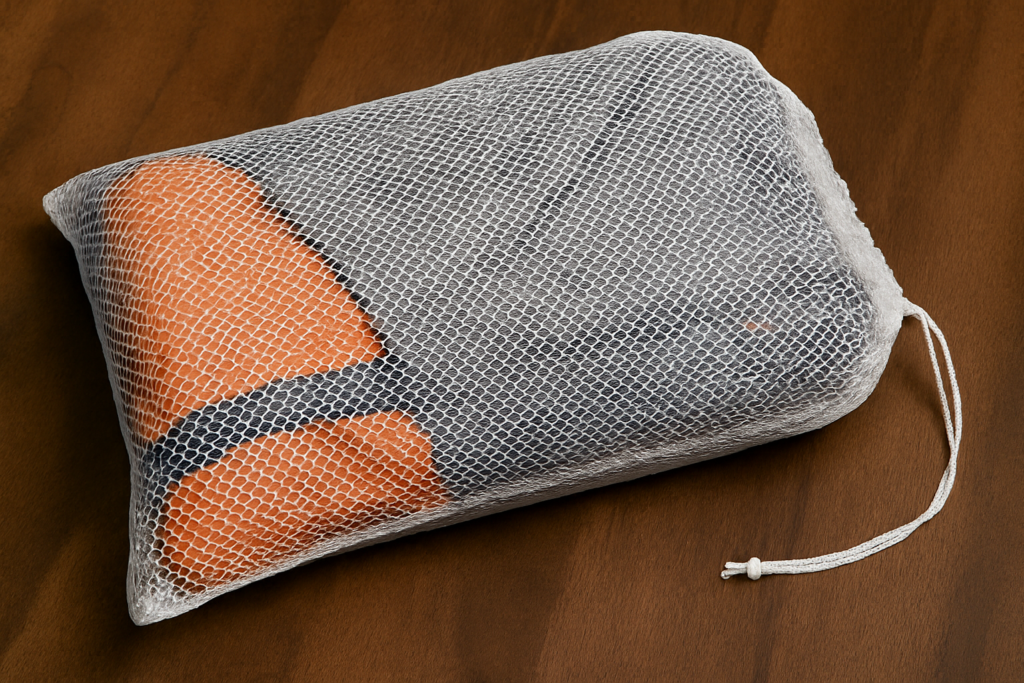
Here’s what actually works:
- Mesh laundry bags that allow airflow
- Cotton sacks that wick away residual moisture
- Oversized gear bags with built-in ventilation panels
- Even an old pillowcase is better than sealing your tent in plastic
If it breathes, it belongs in your gear closet.
🧺 The Hanging tent storage Method
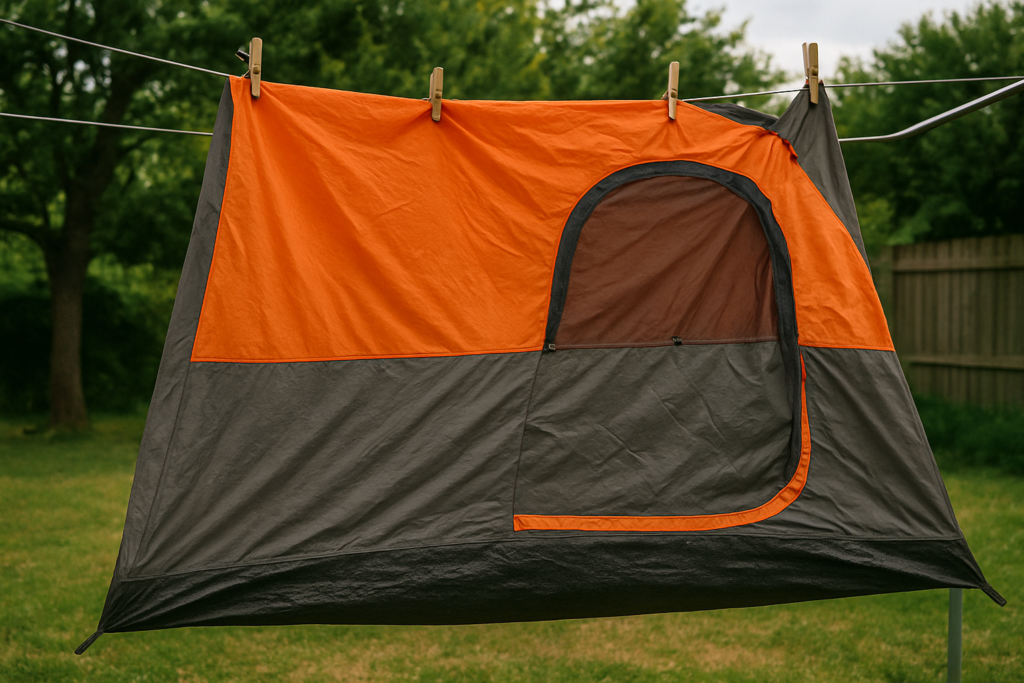
If you’re short on shelf space, hanging your tent is a smart alternative. It keeps the fabric relaxed and avoids compression damage.
Some helpful hanging tips:
- Use padded hangers to support the tent body
- Hang the rainfly separately to prevent sticking
- Store tent poles in their own bag nearby for easy access
- Skip the folding—let the fabric drape naturally
As one camper put it, “Hanging things up works very well”—especially in tight spaces. And they’re right.
🗄️ The Flat Shelf Storage Approach
Got a few shelves in your garage or gear room? Great. Lay your tent flat and loose across them. This method avoids pressure points and lets the fabric rest. Just remember to change the folding pattern every few months to prevent deep creases from forming.
💬 A hunter from Tennessee shared on a camping forum that he uses Costco shelving for all his gear. He admitted it’s “not the most organized setup,” but he felt that it was the best practical way to protect his gear.
How to Clean and Store a Tent: Pre-Storage Maintenance
Whether you’re a weekend camper or a seasoned backpacker, your tent is your second home in the wild. But once the season ends, storing it properly is key to keeping it in top shape for years to come. Here’s your complete guide to tent maintenance and smart outdoor gear storage—crafted for real campers like you.
Tent cleaning before storage : Step by Step Guide
Remove all dirt and debris
Before you stash your tent away, give it the care it deserves. A clean tent lasts longer, smells fresher, and performs better on your next adventure.
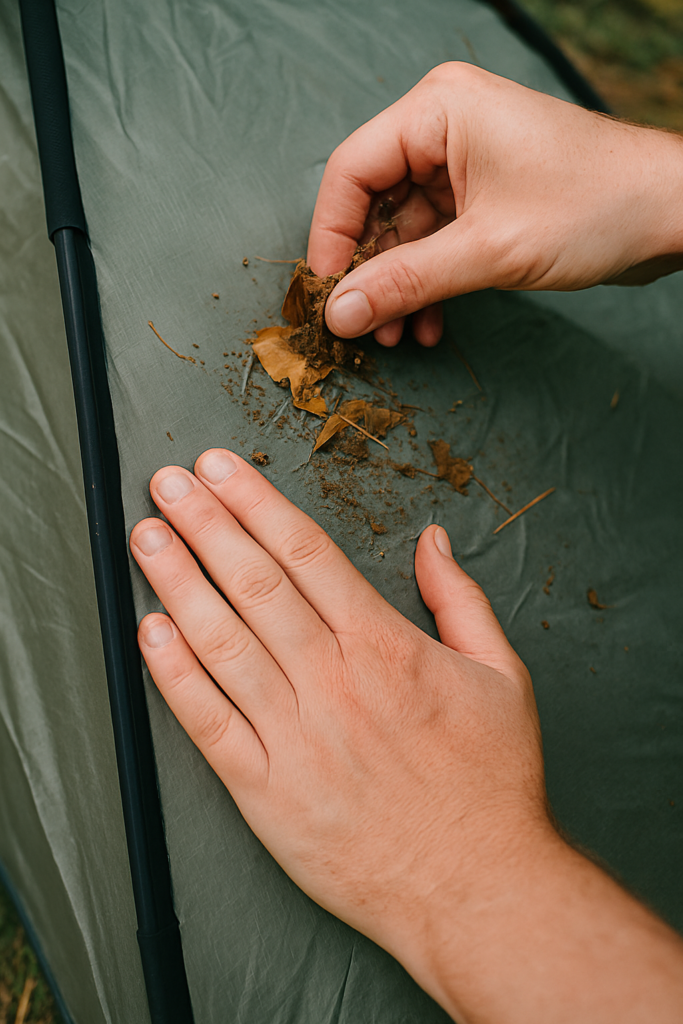
- Remove all loose dirt, leaves, and pine needles
- Let mud dry completely, then gently brush it off
- Take off any temporary tape or field repairs
Wash your tent properly
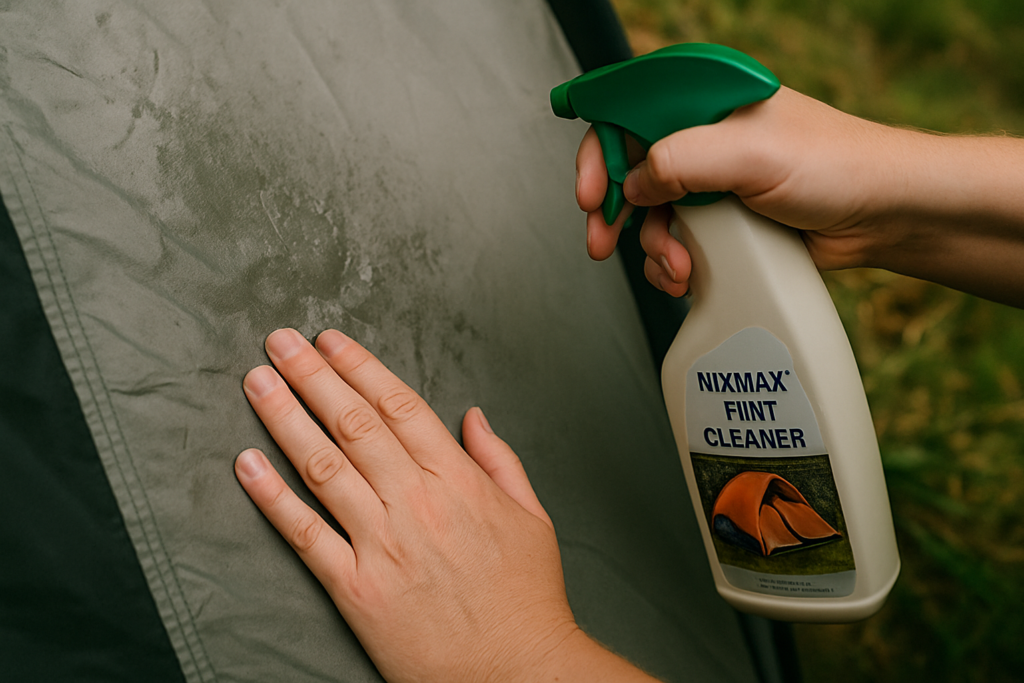
- Use only a tent-specific cleaner—never harsh detergents
- Spot-clean stains as soon as you notice them
- Rinse thoroughly to remove all soap (leftover soap attracts grime)
Perform a smell test
- Give it a sniff before storing
- If it smells musty, let it air-dry longer or rinse again
- Never store a damp tent—mold and mildew will ruin it
🔍 Tent inspection checklist before storage
Before you store a tent for the season, complete this tent maintenance checklist to catch small issues before they become expensive repairs:
- Seam tape – check for peeling or cracks
- Zippers – clean and apply zipper lubricant
- Guy-out points – inspect for fraying or tears
- Pole sleeves and corners – common wear spots
Q: Should I fix small issues before storage? A: Absolutely. What’s minor now can turn into a bigger (and more expensive) problem after months in storage.
🏡 Best places to store a tent (and where to avoid?)
When it comes to how to store your tent, temperature and humidity make all the difference. Your tent prefers the same conditions you do—not too hot, not too humid, and definitely not damp.
Worst Tent Storage Locations
- Attics in summer – high temps can damage coatings
- Basements in winter – damp and mold-prone
- Sunlit garages – UV rays can break down fabrics
- Unventilated sheds – moisture buildup and pests are a risk
Best Tent storage Locations
- Climate-controlled closets inside your home
- Under-bed storage in your bedroom
- Dedicated gear closets or rooms
- Well-ventilated garages with moisture control systems
☀️ The UV Enemy: Keep It Out of the Sun
Even while in storage, UV damage can quietly ruin your tent. Prolonged exposure to sunlight degrades fabric and waterproof coatings.
✅ Always store your tent in a cool, dry, and dark place. That sunny corner might be perfect for your houseplants—but it’s a silent killer for your gear.
🧭 Final Thoughts
Proper tent maintenance and smart outdoor gear storage aren’t just nice-to-do—they’re essential if you want your tent to last for years. Clean it, inspect it, and store it somewhere dry and shaded. These small steps now can save you from big headaches next camping season.
Tent Care and Maintenance : Seasonal Storage Tips
🔄 Quarterly tent storage check
Every 3–4 months, unfold and refold your tent to prevent creases and catch early issues like:
- Pest damage
- Moisture buildup
- Fabric discoloration
- Hardware wear
🔄 Annual Deep tent inspection
Set up your tent indoors once a year. Inspect, clean, and replace worn parts. It’s the easiest way to avoid campsite surprises and extend your tent’s lifespan.
Common Tent Storage mistakes and how to avoid them
Stuff Sack Trap: Don’t store your tent compressed—use breathable bags instead.
- Quick Pack-Up: Rushing cleanup traps moisture and dirt. Take time to clean properly.
- Mixed Bag Storage: Keep dirty gear separate to avoid cross-contamination.
- Set It and Forget It: Regular check-ins prevent long-term damage.
🧬 Tent Longevity: Why Smart Storage Matters
Tent fabrics degrade due to:
- Hydrolysis: Moisture breaks down waterproof coatings
- Mechanical stress: Compression weakens fabric
- Chemical reactions: Dirt and oils accelerate wear
- UV degradation: Even indirect sunlight causes fiber damage
✅ Proper tent storage tackles all these threats—keeping your gear adventure-ready for years.
How Long Can You Store a Tent? Tent Lifespan Explained
With proper tent storage techniques, a quality tent can last 10-15 years or more. However, tent lifespan depends on four degradation factors:
- Hydrolysis: Moisture breaks down waterproof coatings
- Mechanical stress: Compression weakens fabric fibers
- Chemical reactions: Dirt and body oils accelerate wear
- UV degradation: Sunlight damages tent materials even in storage
Following proper tent care and storage practices addresses all these threats, maximizing your investment.”
Tent Storage FAQs
Can you store a tent in a garage?
Yes, you can store a tent in a garage if conditions are right. The garage must be dry, well-ventilated, and maintain stable temperatures year-round. Avoid garages that get extremely hot in summer (over 85°F) or damp in winter, as these conditions damage tent fabric and waterproof coatings. Store your tent on shelves away from direct sunlight, automotive chemicals, and pest-prone areas. Use breathable storage bags and check quarterly for moisture, mold, or rodent damage. Climate-controlled garages are ideal for long-term tent storage.
How do you store a tent in an apartment?
Store a tent in an apartment by using under-bed storage, closet shelves, or wall-mounted hooks in climate-controlled rooms. Place the tent in a breathable cotton or mesh bag—never compressed in a stuff sack—and store it somewhere cool, dry, and away from windows (to avoid UV damage). Bedroom closets, under-bed bins with ventilation holes, or dedicated gear corners work perfectly. For small apartments, hanging the tent on padded hangers in a closet saves floor space while keeping fabric relaxed. Avoid bathrooms, kitchens, or balconies where humidity and temperature fluctuate.
Should you store tent poles separately from the tent?
Yes, storing tent poles separately from the tent body is recommended for long-term storage. Keep poles in their original bag or a separate breathable sack to prevent them from creating pressure points or puncturing the tent fabric. Store poles loosely—don’t leave shock cord under tension for months—and keep them in the same cool, dry location as your tent. If space is limited, you can store poles with the tent as long as they’re wrapped separately to avoid contact with fabric. Check pole connections and shock cord annually for wear.
Can you store a tent in a plastic bin?
You can store a tent in a plastic bin ONLY if the tent is bone-dry and you drill ventilation holes in the bin. Sealed plastic bins trap moisture and create perfect conditions for mold and mildew growth. If using a plastic storage container, drill 6-8 quarter-inch holes for airflow, place the tent in a breathable mesh or cotton bag first, and store the bin in a stable temperature environment. However, breathable fabric bags or open shelving are better long-term storage solutions than plastic bins for preventing moisture buildup.
How often should you air out a stored tent?
Air out a stored tent every 3-4 months during long-term storage to prevent moisture buildup and musty odors. Set up the tent indoors or hang it in a well-ventilated area for 2-3 hours, allowing fresh air to circulate through the fabric. This quarterly airing helps detect early signs of mold, mildew, or pest damage before they become serious problems. In humid climates, consider airing out your tent every 6-8 weeks. Always refold the tent differently after airing to prevent permanent creases from forming in the same places.
How long can you store a tent without using it?
You can store a tent indefinitely if stored properly—some well-maintained tents last 15-20 years in storage with minimal use. However, inspect stored tents annually even if unused, as tent fabrics can degrade over time through hydrolysis (waterproof coating breakdown), UV exposure, and environmental factors. Set up the tent once per year to check seams, zippers, and fabric integrity. Replace or re-waterproof coatings every 3-5 years even with proper storage. The key to long-term tent storage is keeping it clean, completely dry, in breathable bags, and stored in stable cool, dark conditions.
Should you store a tent with stakes and guy lines attached?
No, remove all tent stakes and guy lines before storage. Dirt-covered stakes can transfer grime to clean tent fabric, metal stakes may rust and stain materials, and attached guy lines create tangling and pressure points during storage. Clean stakes separately, dry them thoroughly, and store in a separate bag or container. Coil guy lines loosely and store them with stakes to keep everything organized. This separation prevents cross-contamination, makes setup faster on your next trip, and allows you to inspect each component individually for damage or wear.
Can you store a wet tent temporarily if you dry it later?
You can store a wet tent temporarily for up to 24-48 hours MAXIMUM, but you must dry it completely as soon as possible. If you can’t dry your tent immediately after a camping trip, pack it loosely in a mesh bag (not compressed), and set a firm reminder to dry it within 2 days. Even 48 hours of dampness can start mildew growth, especially in warm conditions. Never store a wet tent for more than 2 days—the risk of permanent mold damage increases dramatically. When you do dry it, allow extra time (48-72 hours) to ensure complete moisture removal before long-term storage.
What’s the best way to store a tent long-term?
The best way to store a tent long-term is: (1) Clean and dry it completely for 24-48 hours, (2) Inspect and repair any damage, (3) Store loosely in a breathable cotton or mesh bag—never compressed in a stuff sack, (4) Choose a cool (50-75°F), dry (below 60% humidity), dark location like a bedroom closet or climate-controlled storage room, (5) Store poles separately to prevent fabric punctures, (6) Check quarterly for moisture, pests, or damage, and (7) Set up and air out the tent annually even if unused. Following these steps prevents mold, extends tent lifespan, and ensures your gear stays adventure-ready.