Best Camping Tents for All Weather: The Honest Buyer’s Guide for New Campers
-
| Founder & Content Creator

Latest Posts

Here is the tent-buying experience most first-time campers describe: you open a browser, type ‘best camping tent’, and thirty seconds later you are staring at 400 results, seventeen different capacity ratings, five different waterproof specifications, and a comments section where three people are having an argument about fibreglass poles that has been going since 2019.
Finding the best camping tents for all weather is genuinely not complicated once you understand what the specs actually mean and which features matter for how you actually camp. The confusion mostly comes from manufacturers describing tents in ways that are technically accurate and practically misleading — particularly when it comes to capacity ratings, which we will address firmly and early.
This guide covers every tent type worth considering for new campers: the spec education that makes every other recommendation make sense, honest recommendations organised by camper type rather than arbitrary ranking, a genuine comparison table, and the things that real campers consistently wish someone had told them before they bought their first tent.
Before You Buy Any Tent: What the Spec Sheet Is Not Telling You
The best thing you can do before reading any tent review — including the recommendations in this one — is understand what tent specifications actually mean in practice. The numbers are real. What they imply is often not.
The Capacity Rating Truth: Always Buy One Size Up
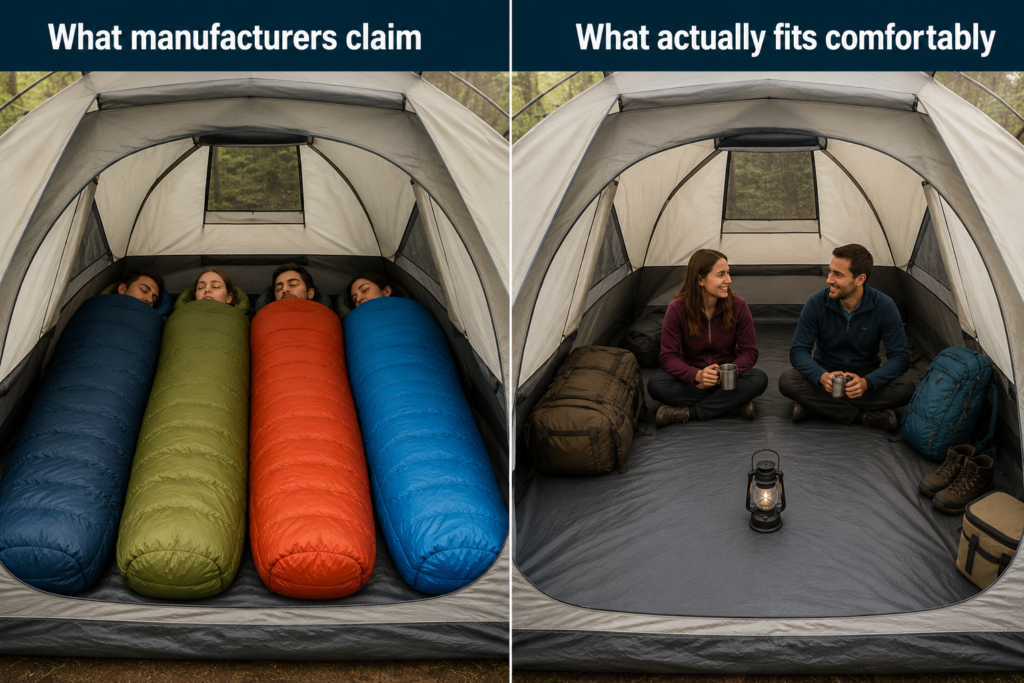
Tent capacity ratings deserve their own dedicated section because they are the single most reliable source of first-time buyer disappointment in the entire camping gear market. The industry-wide standard for rating tent capacity is based on how many sleeping bags can technically fit side by side on the tent floor — with no space for gear, no room to move, and the assumption that all occupants are motionless through the night.
The practical reality, confirmed by every experienced camper and every honest gear review site, is this:
- A 2-person tent comfortably sleeps 1 person with gear, or 2 people who are genuinely comfortable being extremely close
- A 4-person tent comfortably sleeps 2-3 people with gear, or a tight family of 4 with zero gear inside
- A 6-person tent comfortably sleeps a family of 4 with room for gear, or 5 people in a pinch
The correct approach for first-time buyers: identify how many people you are actually sleeping in the tent, then buy a tent rated one to two sizes larger. You will not regret the space. You will absolutely regret the shortage.
The person who wrote ‘4-person tent’ on the label was not lying — they just define ‘person’ as someone who does not move, breathe expansively, or have any possessions. Real people, who occupy more than a mathematically optimal rectangle of tent floor, should add one to any capacity rating before purchasing. Consider it the industry’s way of keeping things interesting.
Waterproof Ratings Explained: What mm Actually Means in Real Rain
Tent waterproofing is measured in hydrostatic head — the height in millimetres of water that the fabric can hold before it starts leaking. Here is what the numbers mean in practical outdoor terms:
- Under 1000mm: light shower protection only. Not suitable for anything beyond occasional light rain. Not recommended for UK or variable weather camping.
- 1000-1500mm: light to moderate rain. Budget tents typically fall here. The Coleman Sundome at this level is honest about its limitations — it is for fair weather camping.
- 1500-3000mm: moderate to heavy rain. The sweet spot for most three-season camping. This covers the majority of UK and European camping conditions reliably.
- 3000mm and above: heavy and sustained rain, winter conditions. The Marmot Limestone and Big Agnes Bunk House sit here. Overkill for dry climates, essential for wet ones.
One important nuance: the hydrostatic head rating applies to the flysheet. The tent floor often has a higher rating because ground moisture is more constant than rain. Look for the floor rating separately in the spec sheet.
For everything that comes alongside a waterproof tent in genuinely wet conditions, our wet weather camping tips guide covers seam sealing, condensation, clothing layers, and campsite choices that keep you dry regardless of the forecast.
3-Season vs 4-Season: Which One Do You Actually Need?
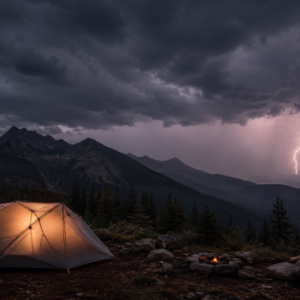
The vast majority of first-time campers need a 3-season tent. The confusion comes from the name — ‘3-season’ sounds like you are being sold something incomplete, when in reality a good 3-season tent handles spring, summer, and autumn conditions excellently, including storms, wind, and heavy rain.
- 3-season tents: designed for spring through autumn. More mesh panels for ventilation, lighter poles, designed for rain and moderate wind. Handle most UK and European camping conditions perfectly.
- 4-season (or mountaineering) tents: designed for winter use, high altitude, and sustained snow loading. Heavier, more expensive, fewer mesh panels, stiffer pole structure. Overkill for anyone not camping in snow or at high elevation in winter.
If you are camping between March and October in typical temperate conditions — even if it rains heavily — a 3-season tent with a good waterproof rating is the right choice. Save the 4-season premium for when you are genuinely camping in conditions that require it.
If your plans include mountain terrain or high elevation, the shelter requirements shift — our mountain camping for beginners guide covers what changes at altitude.
Freestanding vs Non-Freestanding: Choose Freestanding for Your First Tent
A freestanding tent can be pitched and moved without being staked to the ground — the pole structure holds it up independently. A non-freestanding tent requires stakes and guylines to create its shape and cannot stand without them.
For a first tent, freestanding is the right choice. You can pitch it on hard ground, concrete, or anywhere you cannot drive stakes. You can pick it up and move it after setup if the spot is not quite right. The learning curve is lower and the flexibility is higher.
Non-freestanding tents are typically lighter and favoured by experienced backpackers where every gram matters. They are not the right starting point for someone who has never camped before.
Whichever tent you choose, knowing how to pitch it correctly before your first trip makes a significant difference — our complete tent pitching guide covers guylines, stake angles, and every technique experienced campers use automatically.
Pole Material, Vestibule, and Peak Height — the Three Features Most Buyers Overlook
Pole material: Aluminium poles are lighter, stronger, and more flexible than fibreglass. They bend under stress rather than snapping. For a tent you will use regularly in variable weather, aluminium (or DAC aluminium) is worth the extra cost. Fibreglass poles are heavier, more brittle, and more prone to shattering at cold temperatures — acceptable in a budget tent for occasional fair-weather use, a poor choice for anything more demanding.
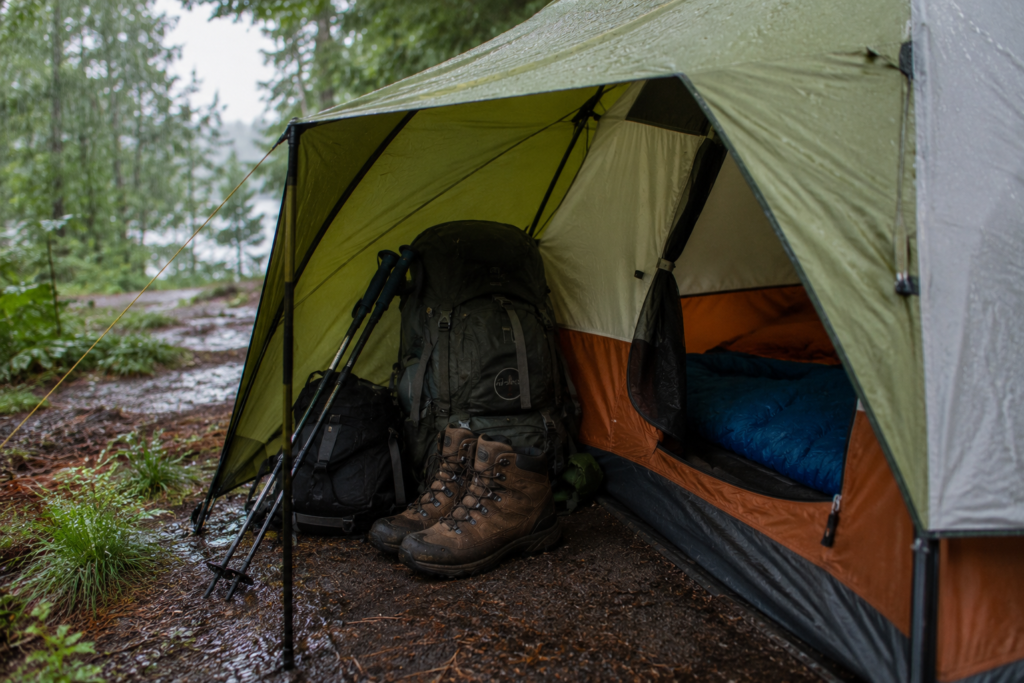
Vestibule: The covered porch area outside the main tent door where boots, wet gear, and packs can live without coming inside. Most first-time buyers underestimate this feature until the first rainy night when they need somewhere to put wet hiking boots at midnight and there is nowhere. A vestibule of at least 10-15 square feet is useful. The larger options on the Big Agnes Bunk House (30+ square feet) are genuinely remarkable.
Peak height: The maximum internal height of the tent. Being able to sit up, dress, and move around inside your tent is more important than most people realise until they spend a rainy afternoon unable to stand up. Cabin-style tents with near-vertical walls give you more usable height throughout the tent floor rather than just at the single centre peak.
Best Camping Tents for All Weather by Camper Type — Our Honest Recommendations
The right tent depends on who is sleeping in it, how you are getting to camp, and what weather you are likely to encounter. These recommendations are organized by camper type because that is the genuinely useful way to think about tent buying — not by arbitrary ranking.
A great tent is the starting point, not the whole story — our complete camping checklist for new campers covers everything else you need alongside it.
Best Tent for First-Time Solo Campers
Solo camping tents need to balance weight, space, and price. For car camping, a 2-person tent gives you comfortable solo space with room for gear. For backpacking, weight becomes the priority.
Recommended: REI Co-op Half Dome 2+ — the most consistently recommended beginner tent across every high-authority guide we researched. Freestanding dome design, double doors, a spacious vestibule, and a colour-coded pole system that makes solo setup fast and intuitive. It has been through storms, long expeditions, and three-week solo trips and consistently comes back dry and intact.
- Floor space: approximately 31 sq ft (comfortable for one adult with gear)
- Waterproof rating: 1500mm flysheet
- Poles: DAC aluminium
- Weight: approximately 4.6 lbs — suitable for car camping, manageable for backpacking
- Who it is NOT for: ultralight backpackers who need sub-2lb options, or anyone who wants standing room
- Where to buy: rei.com — available new and in REI’s certified used programme at reduced price
Best Tent for Couples and Two-Person Camping
Two people with gear need a minimum of a 3-person tent for comfortable camping. A rated 2-person tent with two adults, two sleeping bags, and two packs is workable but tight. A 3-person tent gives you the space to actually enjoy the experience rather than manage it.
Recommended: MSR Hubba Hubba LT 3 — a favourite among experienced campers for couples who want comfort without excessive weight. The PFAS-free DWR coating and spacious 8-foot vestibules give it all-weather credentials, while its weight keeps backpacking trips practical. For car camping couples, the Big Agnes Bunk House 4 gives you hotel-level spaciousness at camp.
- MSR Hubba Hubba LT 3: 3-person rated, approximately 3 lbs 5oz, spacious vestibules, PFAS-free, excellent storm performance
- Who it is NOT for: budget buyers (MSR sits at the premium end), or those who need maximum headroom
- Where to buy: rei.com, backcountry.com, or direct from MSR
Best 4-Person Family Tent — Big Agnes Bunk House 4
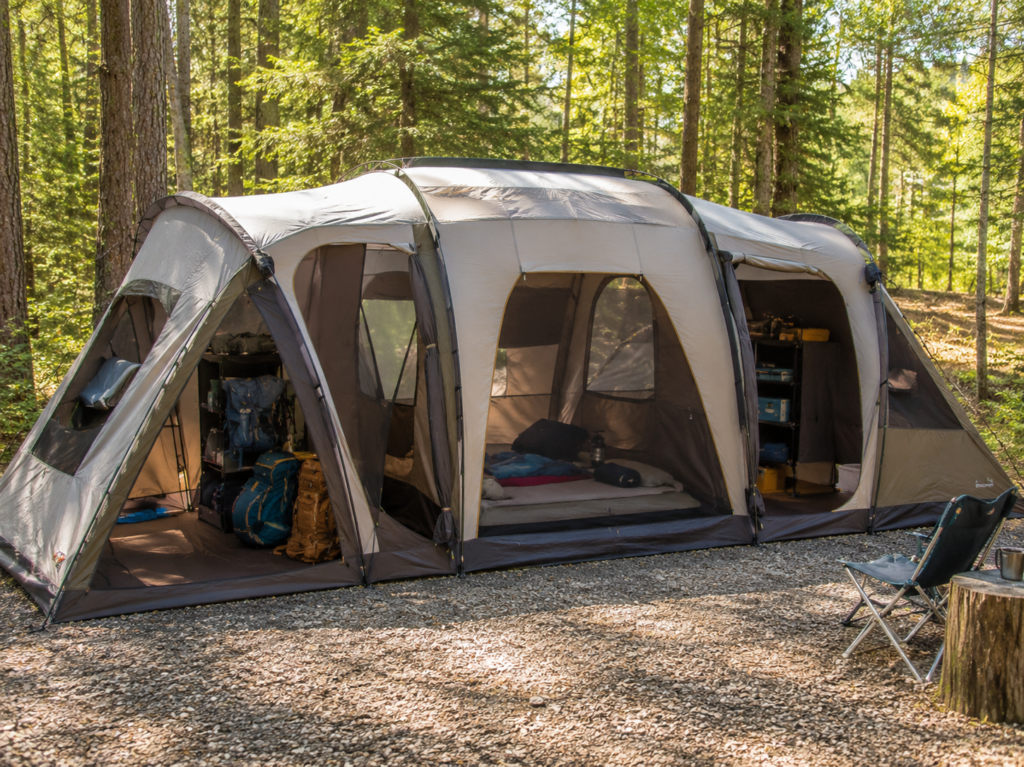
The Big Agnes Bunk House 4 is the tent that most changes what people think camping comfort looks like. Its tunnel-like, cabin-style design with pre-bent DAC Featherlite poles produces near-standing height throughout the interior — not just at the single centre peak — and two vestibules with a combined storage area that experienced campers describe as a front porch rather than a gear cupboard.
- Floor space: 58 sq ft with true standing height throughout (peak height 6’8″)
- Vestibule area: approximately 44 sq ft combined across two vestibules
- Waterproof rating: 3000mm+ — handles Pacific Northwest storms reliably according to verified long-term users
- Poles: premium DAC Featherlite aluminium
- Weight: 18 lbs — car camping only
- Best for: families who want a reliable, genuinely comfortable base camp; serious campers who prioritise storage and livability; car campers comfortable with extra weight for extra comfort
- Who it is NOT for: backpackers, anyone with a small campsite pitch, those on a tight budget (sits at $599-$649)
- Where to buy: bigagnes.com or rei.com for full warranty support
Best Balanced Family Tent — North Face Wawona 4
The North Face Wawona 4 is what happens when excellent tent design is applied to a more accessible size and weight than the premium Bunk House. The same quality construction, a spacious 27.6 sq ft vestibule, and a colour-coded pole system that makes setup intuitive for first-timers and fast for experienced campers.
- Floor space: 58 sq ft with generous headroom
- Vestibule area: 27.6 sq ft
- Weight: 13 lbs — lighter than the Bunk House, still car camping territory
- Poles: DAC MX aluminium
- DWR coating: non-PFC — environmentally preferable
- Best for: families wanting premium construction at a more manageable size and price than the top-tier options
- Who it is NOT for: those needing standing room throughout (headroom is good but not Bunk House-level), or budget buyers
- Where to buy: thenorthface.com, rei.com, or outdoor retailers
Best Budget Tent That Does Not Disappoint — Coleman Sundome 4
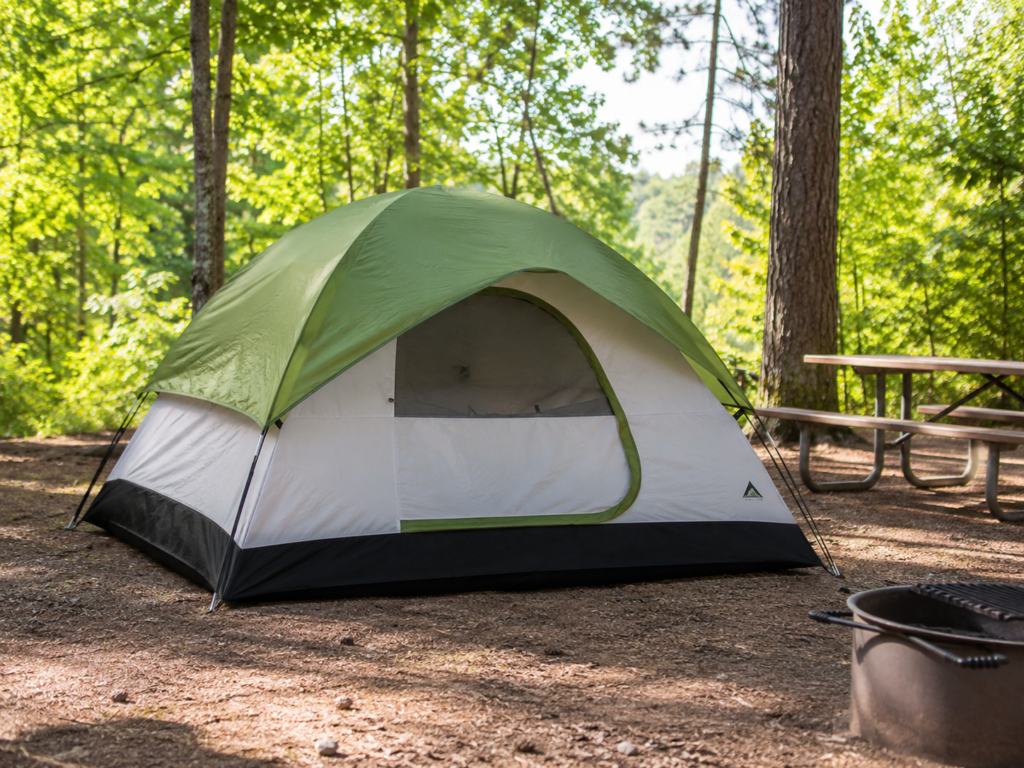
The Coleman Sundome 4 is the tent that proves your first camping trip does not require a significant financial investment. It is honest about what it is — a fair-weather tent for beginners and occasional campers who prioritise accessibility and value — and it delivers on that promise reliably.
- Floor space: 63 sq ft — surprisingly spacious for the price
- Peak height: 4’11” — limited but workable for most adults
- Waterproof rating: approximately 1000mm — partial rainfly provides light rain protection only
- Poles: fibreglass — adequate for fair-weather use
- Weight: 10 lbs 3 oz
- Best for: first-time campers who want to try camping before investing significantly, festival camping, fair-weather weekend trips, families on a tight budget
- Who it is NOT for: serious weather, sustained rain, wind exposure, or anyone planning regular camping. The partial rainfly is the Sundome’s honest limitation — it is not an all-weather tent.
- Where to buy: coleman.com, amazon.com — widely available at very competitive prices
HONEST VERDICT : The Coleman Sundome is a genuinely good beginner tent if you understand what it is and is not. It is not an all-weather tent. It handles light showers and summer nights beautifully. If it rains hard and sideways, its partial rainfly will remind you that you paid beginner-tent money. Use it for your first couple of trips and upgrade when you know you love camping enough to spend more.
Best All-Weather Fortress for Tough Conditions — Marmot Limestone 4P
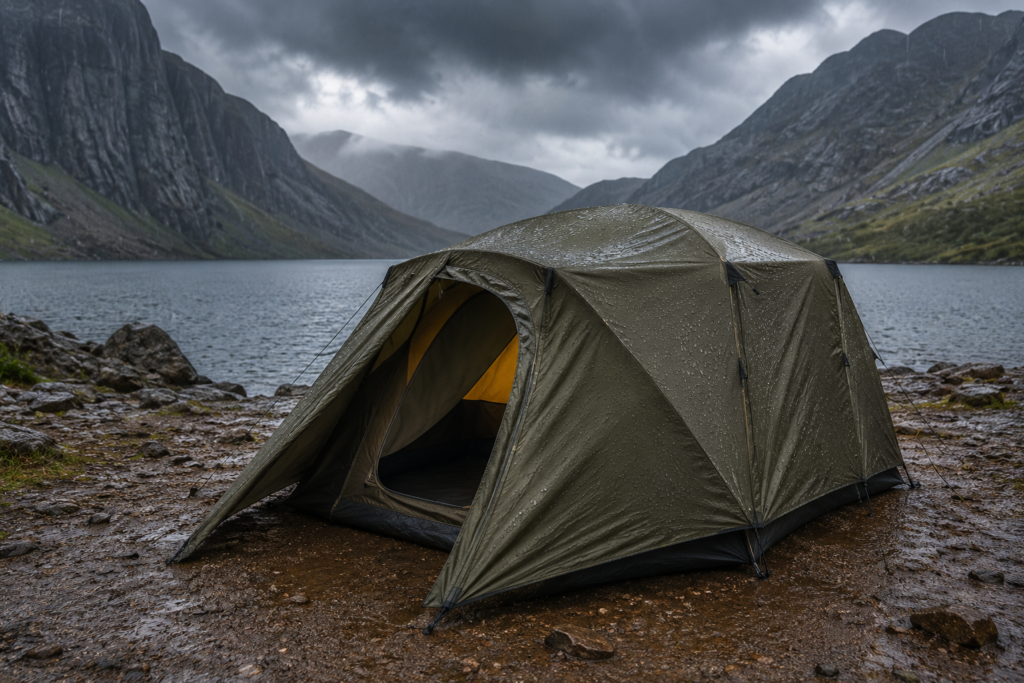
The Marmot Limestone 4P is built for people who camp in conditions that would make lesser tents quietly reconsider their structural integrity. Its full-coverage rainfly extends to the ground — no gap for wind-driven rain to sneak under — and its DAC DA17 aluminium poles are tested to withstand winds exceeding 50mph.
- Floor space: 60 sq ft with 61″ peak height
- Vestibule area: 21 sq ft
- Waterproof rating: 3000mm+ — full rainfly to ground level
- Poles: DAC DA17 premium aluminium — the pole specification used in expedition tents
- Weight: 11 lbs 11 oz
- Best for: camping in genuinely challenging conditions; exposed sites; UK and Northern European camping where rain is a given rather than a possibility; campers who want to buy once and not worry
- Who it is NOT for: backpackers, those who prioritise standing room or extra interior space, warm-weather-only campers who do not need the additional weather resistance
- Where to buy: marmot.com or rei.com — Marmot’s lifetime warranty is fully supported through both
Best Lightweight Backpacking Tent — Kelty Grand Mesa 2P
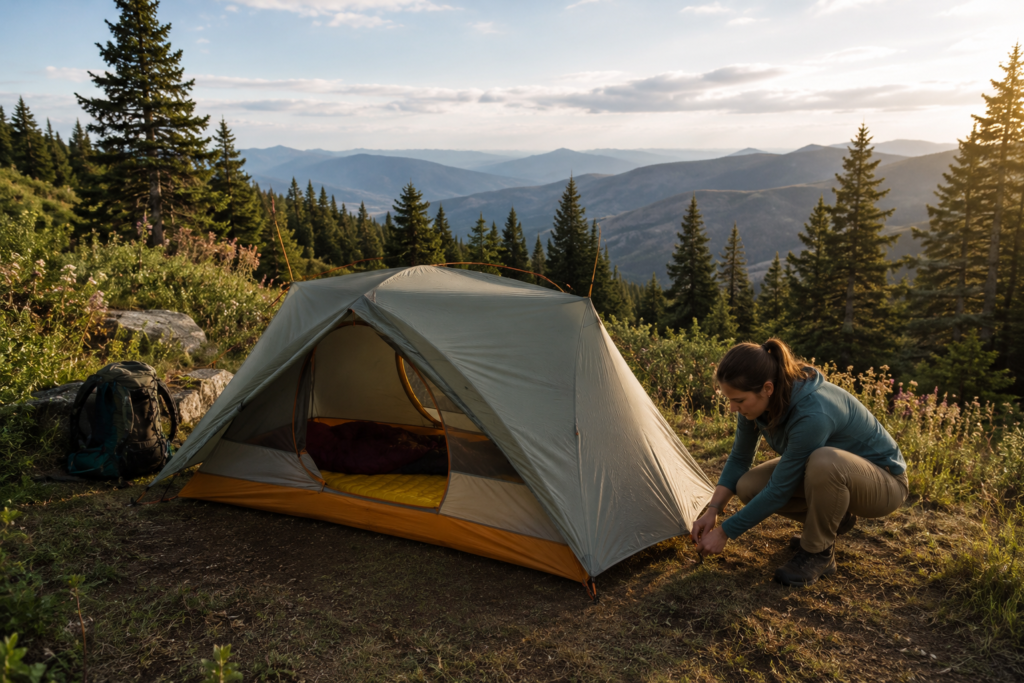
When every gram in your pack counts and you need a tent that sets up in under three minutes and still handles variable weather, the Kelty Grand Mesa 2P earns its consistently strong reviews. It is not ultralight by specialist standards, but it sits in the sweet spot where weight savings, build quality, price, and weather protection all balance well — making it the right starting point for beginner backpackers.
- Weight: 4 lbs 1 oz — packs to 18″ x 7.5″ x 7.5″
- Setup time: 2-3 minutes solo — one of the fastest setups we have encountered in this category
- Poles: DAC pressfit aluminium
- Weather protection: 68D polyester construction with fully taped seams and EZ-Zip vestibule
- Best for: backpackers who want reliable all-weather performance without ultralight specialist pricing; those new to backpacking who want quality without commitment to a premium price point
- Who it is NOT for: weight-obsessive ultralight hikers who need sub-2lb options; those wanting standing room or extended interior space
- Where to buy: kelty.com or amazon.com — wide availability and strong customer support
Best Tent for Large Families — North Face Wawona 6
The North Face Wawona 6 is the tent that OutdoorGearLab names as the best tent for most families, and after looking at the specifications it is easy to understand why. The main tent area delivers a genuinely exceptional amount of interior space, while the vestibule — which multiple testers describe as a two-car garage — provides covered outdoor living space that changes how a family campsite functions.
- Floor space: approximately 85 sq ft of interior space — genuinely exceptional
- Peak height: over 6 ft throughout — true standing room for most adults
- Vestibule: very large — tested to comfortably fit two chairs and a small table for outdoor dining under cover
- Weight: 17 lbs 5 oz — car camping only
- Storm performance: holds up in 30mph gusts without significant noise or structural issues according to extensive real-world testing
- Best for: families of 4-5 who want genuine comfort; extended camping stays where living space matters as much as sleeping space; anyone who has ever spent a rainy day cramped in a too-small family tent
- Who it is NOT for: small campsites where a large footprint is impractical; anyone on a tight budget; backpackers
- Where to buy: thenorthface.com or rei.com
Tent Specifications Comparison Table
All specifications below are as stated by manufacturers. Real-world performance is covered in the reviews above.
| Specification | Big Agnes Bunk House 4 | North Face Wawona 4 | Coleman Sundome 4 | Marmot Limestone 4P | Kelty Grand Mesa 2P |
| Capacity Rating | 4-person | 4-person | 4-person | 4-person | 2-person |
| Comfortable Sleep | 2-3 adults with gear | 2-3 adults with gear | 2-3 adults with gear | 2-3 adults with gear | 1-2 adults |
| Floor Space | 58 sq ft | 58 sq ft | 63 sq ft | 60 sq ft | ~30 sq ft |
| Peak Height | 6’8″ (true standing) | Generous headroom | 4’11” | 61″ | Standard backpack |
| Vestibule | ~44 sq ft combined | 27.6 sq ft | None | 21 sq ft | EZ-Zip vestibule |
| Waterproof Rating | 3000mm+ | Non-PFC DWR | ~1000mm partial | 3000mm+ | 68D polyester |
| Pole Material | DAC Featherlite Al | DAC MX Al | Fibreglass | DAC DA17 Al | DAC pressfit Al |
| Weight | 18 lbs | 13 lbs | 10 lbs 3 oz | 11 lbs 11 oz | 4 lbs 1 oz |
| Setup Time | 8-10 min (2 people) | 8-10 min | 6-8 min solo | 8-12 min | 2-3 min solo |
| Best For | Premium family camping | Balanced family camping | Budget/beginners | All-weather touring | Backpacking |
| Price Range | $599-$649 | Mid-premium | Budget-friendly | Mid-range | Budget-mid |
| Warranty | Lifetime | Lifetime | Limited | Lifetime | Lifetime |
What Real Campers Wish They Had Known Before Buying
Years of camping and conversations with fellow campers teach you things that no spec sheet ever covers. The patterns are consistent — the same discoveries, the same regrets, the same moments of genuine delight — whether you are talking to a first-timer on their second trip or a seasoned camper who has owned six tents. Here is what comes up every time.
What worked well — consistent positives
- Standing room throughout the tent (not just at the single centre peak) is the feature most campers report as the biggest quality-of-camping-experience improvement over their previous tent
- Large vestibules consistently surprised first-time owners — most had not appreciated how useful covered external storage would be until the first time they needed it in rain
- Colour-coded pole systems genuinely reduce setup time and stress, particularly for solo setup in fading light
- Manufacturers who provide good customer service and repair programmes are consistently praised — a tent is a long-term investment and post-purchase support matters
- Interior organisation — mesh pockets, gear lofts, hanging loops — is noticed and appreciated more after a few trips than it seems when buying
What caught buyers out — consistent complaints
- Underestimating space needs is the most common regret. Multiple experienced campers report that they bought the tent rated for their exact group size and found it significantly tighter than expected in practice — the one-size-up rule is real
- Cheap tents with inadequate weather protection create genuinely miserable experiences. Saving money on the tent is fine; saving money on the waterproof rating when you camp in variable weather is a decision most people make only once
- Complex setup instructions combined with windy conditions at the campsite creates real stress. Practice at home before trip one — this costs nothing and makes a significant difference
- Poor ventilation leading to significant condensation inside the tent — especially in budget options with less mesh. Condensation is moisture, and waking up damp because the tent cannot breathe ruins mornings
- Zip failures and pole breakage are the most common reported long-term failure modes. Budget tents see this earlier. Premium aluminium poles with quality zippers last significantly longer.
Many of these are also in our common camping mistakes to avoid guide — worth reading before any first camping trip.
Specific insights from experienced campers
- Buy for the weather you might encounter, not just the weather you expect. The trip where the forecast is wrong is the trip where your tent’s weather rating matters most.
- A quality tent footprint (groundsheet cut to the tent’s exact shape) extends tent floor life significantly and adds a layer of ground insulation. Many experienced campers consider this a non-optional addition to any tent purchase.
- Practice the complete setup at home before your first trip — including in the dark. Doing it once in daylight in your garden removes all the variables that make campsite setup stressful.
- Extra stakes are always worth carrying. Tent stakes get lost, bent, or are inadequate for the ground conditions you encounter. A small bag of spare stakes weighs almost nothing.
- Do not pack your tent away wet. A damp tent stored in its stuff sack will develop mildew. Air it out completely before packing for long-term storage.
How to Make Your Tent Last: Care, Storage, and Seam Sealing
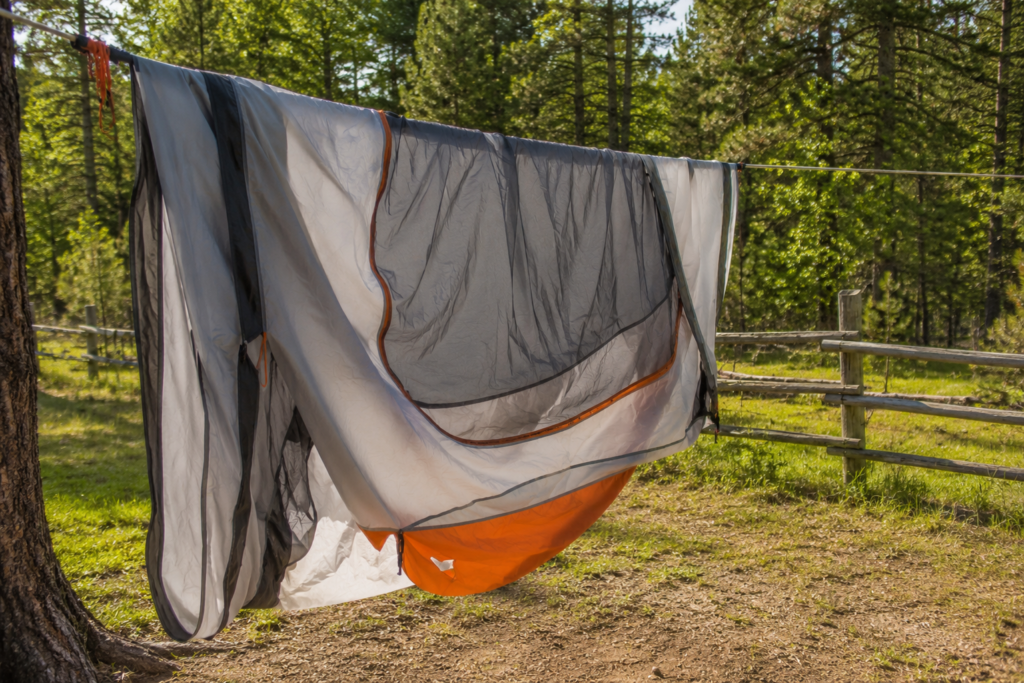
A well-maintained tent from any of the brands above can last 10-20 years of regular camping. A poorly maintained tent from the same brands can fail significantly sooner. The difference comes down to a handful of habits that take almost no time.
- Always dry before storing: pitch the tent in the garden or drape it over a fence after any trip where it got wet or damp. Packing a wet tent away is the primary cause of mildew, which damages fabric and cannot be fully removed.
- Never store in the stuff sack long-term: stuff sacks are for transport, not storage. Long-term compression damages insulation in sleeping bags and stress-sets synthetic tent fabrics. Store your tent loosely in a large mesh bag or pillowcase instead.
- Clean the tent floor: wipe down the tent floor with a damp cloth after trips where mud or dirt has got inside. Grit acts as an abrasive that gradually damages the floor coating from inside.
- Seam seal every 2-3 seasons: the seams are where water enters first as a tent ages. A tube of seam sealer (McNett Seam Grip is the standard recommendation) applied to all seam lines keeps the tent genuinely waterproof throughout its life.
- UV damage is real: tent fabric degrades under prolonged direct sunlight. Set up in shade where possible on sunny camping days and never store a tent in direct sun long-term.
Our dedicated guide to storing a tent properly covers every care and maintenance habit in detail — worth reading once and applying consistently from your first tent purchase.
Frequently Asked Questions About Buying Camping Tents
What size tent do I actually need?
Identify the number of people sleeping in the tent and add one to the manufacturer’s rated capacity. Two adults camping together need a minimum 3-person tent to be comfortable with gear. A family of four needs a minimum 6-person tent to have comfortable sleeping space and somewhere to put gear. The industry’s capacity ratings assume zero gear inside and no movement during the night — neither of which reflects real camping. Going one size up is the single most reliable way to ensure a comfortable first camping experience.
What waterproof rating do I need for variable or wet weather camping?
For UK or Northern European conditions — or anywhere that variable weather is the norm rather than the exception — a minimum of 2000mm hydrostatic head on the flysheet is the practical baseline. A 3000mm rating gives you meaningful headroom for sustained heavy rain. Budget tents in the 1000mm range are fine for summer fair-weather camping but will let you down in a serious downpour. The floor typically has a higher rating than the fly as ground moisture is more constant — check both separately in the spec sheet.
Is a 3-season tent good enough for all weather camping?
Yes, for the vast majority of camping scenarios. A good 3-season tent with a 2000mm+ waterproof rating handles spring, summer, and autumn conditions including storms, wind, and sustained rain effectively. The only situation where a 4-season tent is genuinely necessary is camping in snow loading conditions, high altitude mountaineering environments, or sustained winter camping. If you are camping March to October in temperate climates — including in rain and wind — a quality 3-season tent is the right choice.
What is the difference between a dome tent and a cabin tent?
Dome tents use crossing curved poles to create a rounded shape that sheds wind and rain effectively. The walls angle inward from the floor which means you lose usable space toward the edges — you can only sit up comfortably in the central section. Cabin tents have near-vertical walls (like an actual room) which means more usable floor space throughout, better standing room, and a more residential feel. The trade-off: cabin tents are generally heavier, larger packed, and slightly less wind-resistant than dome designs. For car camping where comfort and space are the priority, cabin-style tents win. For backpacking or exposed sites, dome designs are more practical.
How long should a good camping tent last?
A quality tent from any of the brands in this guide — Big Agnes, North Face, Marmot, Kelty — should last 10-20 years with proper care. The lifetime warranties offered by most premium tent brands are genuine rather than marketing — these companies stand behind products that are used hard for decades. The care habits that determine lifespan: always dry before storing, never pack wet, never store compressed long-term, seam seal every 2-3 seasons, clean the floor after muddy trips. A Coleman Sundome at budget pricing will last a shorter time before showing wear — but can still give 5-8 years of fair-weather use with reasonable care.
You Now Know More Than Most First-Time Tent Buyers — Here Is How to Use That
The best camping tents for all weather are not mysterious — they are specific products built to specific specifications that either match your camping life or do not. The confusion that surrounds tent buying comes almost entirely from jargon and capacity rating dishonesty, both of which you now understand.
The short version of everything above: buy freestanding, buy one size up from your headcount, know your waterproof rating number and what it means for your conditions, choose aluminum poles, check the vestibule size before you check the price, and practice the setup at home before you leave.
Every tent in this guide is a genuinely good product in its category. The right one for you is the one matched to how you actually camp — not the most expensive one, not the lightest one, not the one with the most features. The one that fits your group, your weather, your weight tolerance, and your budget. Go find it, pitch it in the garden once, and then go camping.