Glamping Trip for Beginners: How to Plan the Perfect Luxury Camping Experience
-
| Founder & Content Creator

Latest Posts
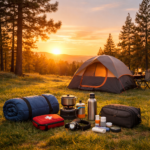
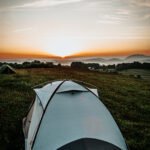
There is a particular kind of person who has always loved the idea of camping — the open air, the stars, the sense of waking up somewhere beautiful — but whose enthusiasm dims slightly at the thought of sleeping on the ground, queuing for a cold shower, and eating pasta from a tin in the dark.
If that sounds familiar, you are going to love what a glamping trip for beginners opens up. All the things that make the outdoors wonderful — the scenery, the slower pace, the firepit evenings — without asking you to sacrifice the things that make life comfortable. Real beds. Hot water. Cooking facilities. And in many cases, fairy lights.
This guide covers everything you need for your first glamping experience: what to look for in a site, what to check before you book, what to pack (and what to leave firmly at home), the mistakes that catch first-timers out, and how to make the whole thing as enjoyable as it deserves to be.
What Is Glamping? The Best of Both Worlds Explained
Glamping — short for glamorous camping — is the outdoor experience with the discomfort quietly removed. You sleep in a proper bed, you have access to electricity and running water, your accommodation is already set up when you arrive, and in many cases the setting is somewhere genuinely spectacular.
The word is new — coined in 2005, Oxford English Dictionary approved in 2016 — but the idea of sleeping outdoors without giving up comfort is as old as anyone who ever had the means to avoid doing otherwise. Humans have been finding ways to make outdoor living more pleasant for centuries. We just now have a catchier name for it.
Glamping vs Camping: What Actually Changes
The core difference between glamping and traditional camping is the accommodation. In camping, you bring your own tent, sleeping bag, and cooking equipment. In glamping, the accommodation is provided, furnished, and ready for you on arrival. You show up, settle in, and start enjoying the outdoors.
- Traditional camping: you pitch it, you sleep in it, you pack it down — and the sleeping mat you brought is the only thing between you and the ground
- Glamping: the accommodation is already there. Typically a real bed, some furnishings, and at least basic amenities. Some sites include full private bathrooms, kitchens, and hot tubs.
- The overlap: both involve fresh air, nature, campfires, and mornings that smell better than anything in a city. That part is identical.
Types of Glamping Accommodation
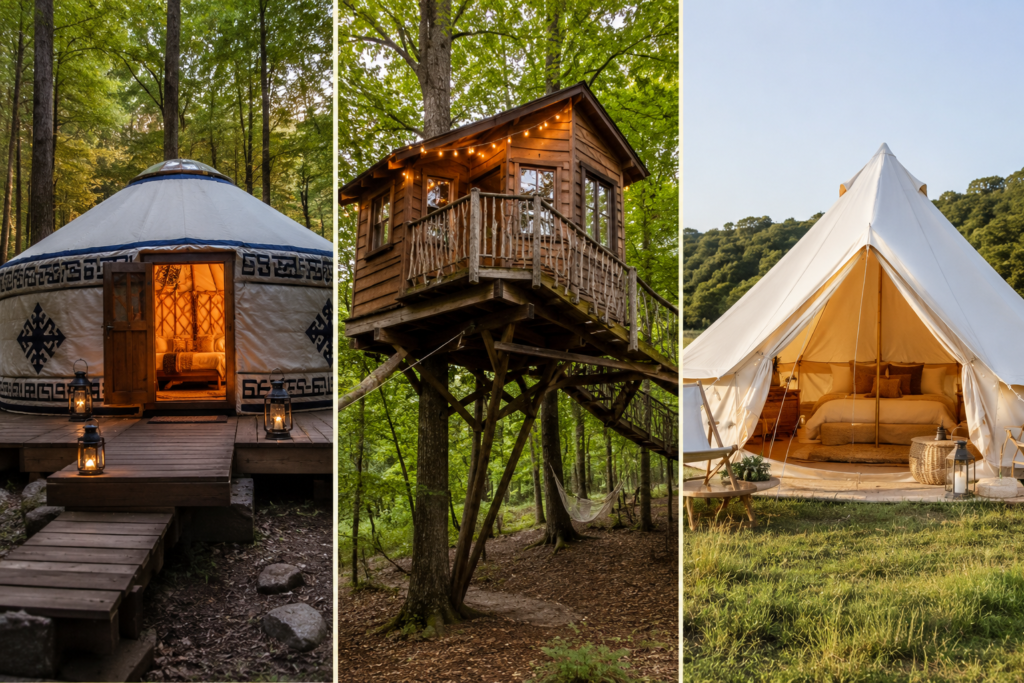
One of the most enjoyable parts of planning a first time glamping trip is discovering how varied the accommodation options actually are. This is not just tents with better bedding.
- Bell tents and safari tents: The classic glamping image — a large canvas tent with a proper bed inside, usually furnished with rugs, lanterns, and a small seating area. The sweet spot between rustic and comfortable.
- Yurts: Circular structures with wooden lattice frames and canvas covers. More spacious than most tents, often more private, and surprisingly well-insulated in cooler weather.
- Treehouses: Exactly what they sound like — and as magical as they were when you were eight years old. Some have all mod cons including showers and mini-kitchens.
- Shepherd’s huts: Small wheeled cabins, traditionally used by farmers and now repurposed as some of the most characterful glamping accommodation available. Popular in the UK.
- Geodomes and pods: Modern, often transparent-roofed structures designed for stargazing. Popular for couples and for anyone who wants to fall asleep looking at the sky.
- Cabins and cottages: More substantial than a tent but still set in natural surroundings. The most hotel-like glamping option.
- Vintage trailers and Airstreams: Particularly popular in the US. Nostalgic, compact, and surprisingly well-equipped.
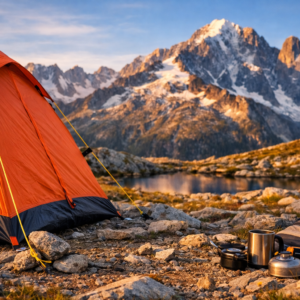
If you want to glamp in your own tent rather than booking a pre-furnished site, our guide to creating a comfortable tent interior covers how to turn a standard tent into something genuinely cozy.
Why People Love Glamping: The Real Benefits
Glamping for couples, families, and first-time adventurers has grown rapidly in popularity — and the reasons are straightforward once you think about them.
Nature Without the Hard Ground
The appeal of the outdoors — the silence, the air, the disconnection from screens and commutes and fluorescent lighting — is real. Most people who say they love camping are really saying they love what camping puts them near. The tent and the sleeping bag are the means to an end, not the attraction.
Glamping gets you to the same destination without asking you to love the means quite so much. You wake up in the same beautiful place. The views are identical. The dawn chorus is just as good. The difference is that you slept in a comfortable bed and can have a hot shower before breakfast.
FUN FACT
Camping and spending time in nature genuinely improves wellbeing — reduced cortisol, better sleep, improved mood. Glamping provides the same benefits with an upgraded sleeping arrangement. Nature does not check what thread count your sheets are before deciding whether to be good for you.
Who Is Glamping For?
Glamping works for an unusually wide range of people — which is part of why it has grown so quickly as a travel category.
- People who love nature but hate roughing it: The core glamping audience. Outdoor enthusiasts who want the scenery without the discomfort.
- First-time outdoor travellers: Glamping is an excellent entry point for people who have never camped and want a gentle introduction to outdoor living.
- Families with young children: Camping with young children and no real beds is an exercise in sleep deprivation. Glamping is significantly more manageable.
- Couples seeking a romantic getaway: A geodome under the stars or a bell tent with a firepit outside offers something genuinely different from a hotel.
- Groups of friends: Many glamping sites have multiple accommodation units in proximity — the communal fire pit becomes the social hub.
- Anyone doing a digital detox: Comfortable enough to relax in, far enough from home to properly switch off.
How to Choose the Right Glamping Destination
The destination choice is where your glamping trip for beginners either succeeds or becomes a slightly soggy disappointment. Take some time on this one.
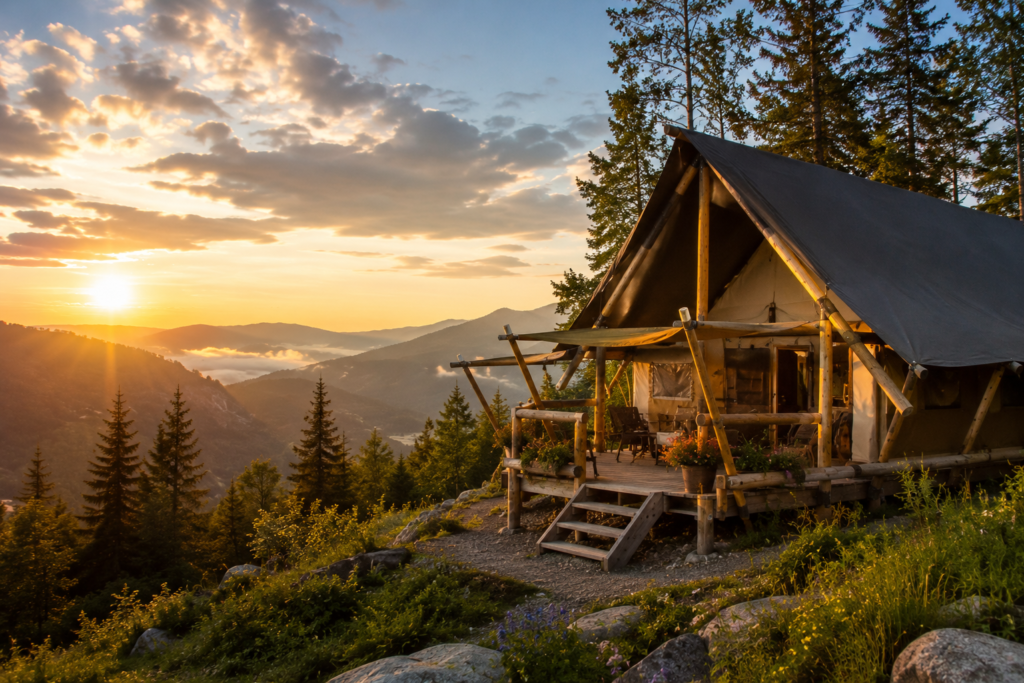
Matching the Setting to the Experience You Want
Different natural settings produce very different glamping experiences — and the difference between a forest retreat and a coastal clifftop site is more than scenery.
- Mountain locations: Dramatic views, cooler temperatures, excellent for hiking during the day and stargazing at night. Weather can be unpredictable — pack an extra layer.
- Forest settings: Sheltered, green, and often excellent for birdwatching and wildlife encounters. Tend to feel more private and secluded than open-landscape sites.
- Coastal glamping: The sound of the sea as a backdrop to your stay. Popular with couples. Can be very exposed to wind — worth checking site-specific weather.
- Desert or open plains: Exceptional for stargazing. Temperature swings between day and night can be significant — prepare for both.
- Vineyard or farm glamping: One of the fastest-growing glamping niches. Combines rural scenery with food and wine experiences. Particularly popular for romantic breaks.
For your first trip, consider staying reasonably close to home. A two or three night stay is the right length — long enough to properly settle in and relax, short enough that any rough edges do not derail the whole experience. Once you know what you love, longer or further trips become easier to plan.
Using Booking Platforms: Where to Find Glamping Sites
Glamping accommodation is spread across multiple booking platforms rather than one central place, and browsing several gives you a much better picture of what is available.
- Glamping Hub: One of the most comprehensive listings, with properties in more than 80 countries. You can filter by accommodation type, location, and experience.
- Hipcamp: Strong for the US market, with a wide range of properties from private landowners. Some are glamping, some are basic camping — read the listing carefully.
- Glamping.com: Large directory of properties worldwide, searchable by country, type, and experience style.
- Airbnb: Has a significant and growing glamping inventory — treehouses, cabins, dome tents, and unique structures. The review system is useful for understanding what you are actually booking.
- KOA: In the US and Canada, KOA campgrounds offer a range of glamping-style accommodation from furnished cabins to premium tent sites. Reliable, well-managed, and good for families.
Read listing descriptions carefully, particularly for independently run properties. Always read recent reviews — they are the most honest picture of what the experience is actually like.
Seasonal Glamping: When to Go
Most glamping sites are available year-round, but the experience varies significantly by season.
- Spring: wildflowers, morning mist, and cooler temperatures. Often the best value. Some sites are quieter after the shoulder season.
- Summer: the busiest period. Peak prices and the most demand for popular sites. Book early — often several months in advance for the best properties.
- Autumn: spectacular for foliage in forested areas. Quieter than summer, cooler evenings, and often excellent value.
- Winter: cosy season. A yurt or cabin with a wood-burning stove is genuinely magical in cold weather. Not all sites operate year-round — check before booking.
What to Verify Before You Book: The Glamping Checklist
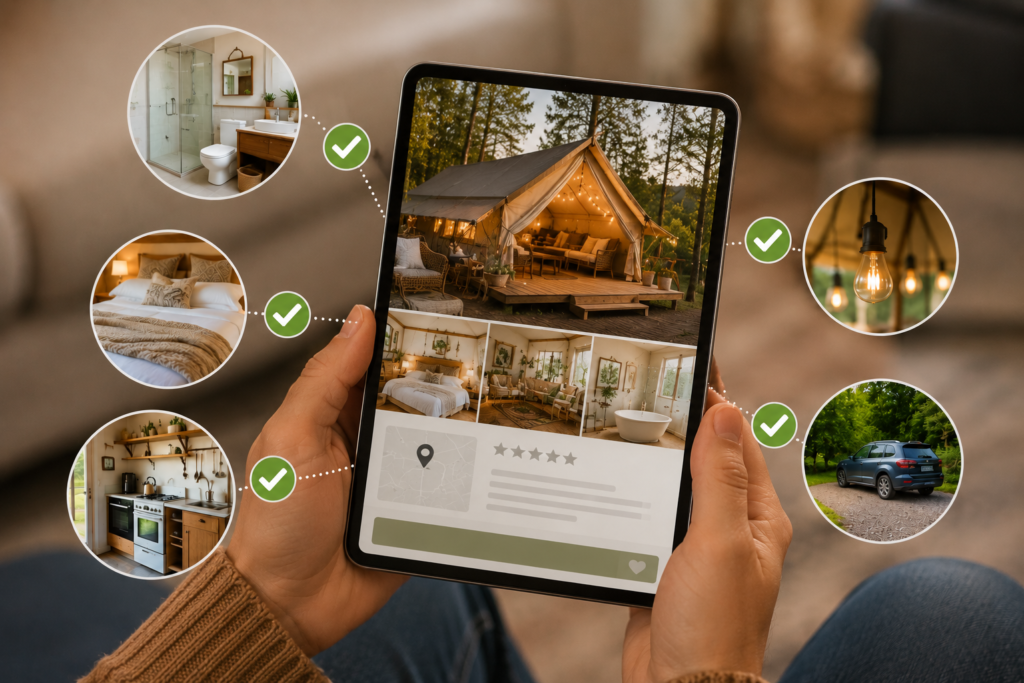
Here is the insight that most glamping guides miss and that almost every experienced glamper wishes someone had told them before their first trip: glamping sites are not standardised. What one site calls a luxury experience, another considers premium. The differences are real and worth checking.
- Private bathroom en-suite: the most comfortable option. Worth the extra cost for a first trip.
- Private bathroom in a separate structure: you have your own dedicated facility but it is not attached to your sleeping area. Fine in good weather, less convenient at 2am in the rain.
- Shared bathhouse or shower block: common at glamping resorts. Perfectly clean but shared with other guests.
- Composting toilet or outdoor shower: more eco-focused, more adventurous. Know what you are booking.
HONEST TIP: Nobody becomes their best self while searching for a shared bathhouse with a headtorch at midnight. If this is your first glamping trip and you are unsure, pay the extra for private facilities. You can always try the more adventurous version once you know you love the experience.
Bedding, Electricity, and Cooking Setup
- Bedding: some sites provide full linen. Others expect you to bring your own. The listing should say — if it does not, ask before you arrive.
- Electricity: most modern glamping sites have power points. Off-grid and eco-focused sites may use solar lighting, lanterns, or battery packs instead. If you need to charge phones, cameras, or medical devices — check this first.
- Heating: essential in cooler months. Look for wood-burning stoves, electric heaters, or underfloor heating. Confirm the site has adequate heating for the season you are visiting.
- Cooking setup: ranges from a fully equipped kitchen to a small outdoor stove to nothing at all. If the site has an on-site restaurant or catering, this matters less. If you plan to self-cater, it matters a great deal.
Proximity, Road Conditions, and Cell Service
The most beautiful glamping site can become considerably less enjoyable if getting there involves a potholed track in the dark and no phone signal when you realise you have passed the turning.
- Distance from the nearest town: matters for grocery runs, emergency supplies, and dining out
- Road condition: some remote sites are only accessible in dry conditions or with a high-clearance vehicle — the listing should note this, but it is worth checking reviews
- Mobile signal and Wi-Fi: relevant for some, irrelevant for others. Check if connectivity matters to you — do not assume it is available
- Arrival time: some remote properties can only be found comfortably in daylight. If your journey means a late arrival, plan accordingly or contact the host
The simple rule: arrive in daylight if you possibly can, especially at your first property on your first glamping trip.
What to Pack for a Glamping Trip (and What to Leave Behind)
Packing for a glamping trip is lighter than packing for camping — which is one of the most pleasant surprises for first-timers. Most of your usual camping equipment stays at home.
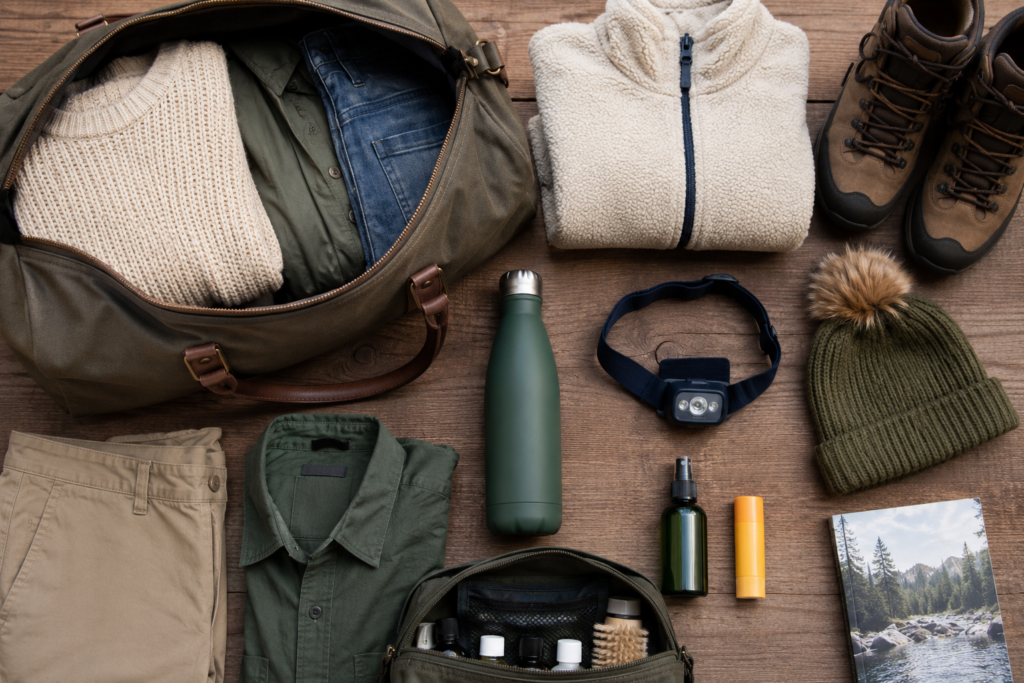
The Glamping Packing List
- Clothing: Weather-appropriate layers — outdoor conditions still apply. Include something warm for evenings, waterproofs for rain, and comfortable footwear for walking. Do not pack new shoes you have never worn.
- Personal toiletries: Your usual kit. Check whether the site provides shampoo and soap — many do not, even in upscale properties.
- Extra blankets or a throw: Glamping accommodation can be surprisingly cold at night, even in warmer months. An extra layer of warmth costs nothing in your bag and will be appreciated.
- Headtorch: Sites can be very dark at night — especially if your bathroom is in a separate building. A headtorch is more useful than a phone torch, which drains battery.
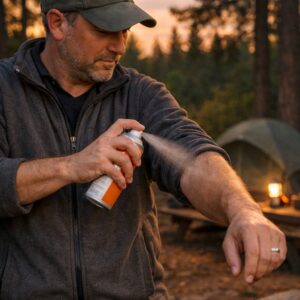
- Insect repellent: Luxury accommodation does not come with a mosquito policy. Pack it regardless of season.
- Food and drinks: Check how far you are from the nearest shop. If the site is remote, bring more than you think you need for the first day — including breakfast for the morning of arrival if you are arriving late.
- Entertainment: Books, card games, a small Bluetooth speaker. Outdoor evenings are long and lovely — something to do makes them even better.
- Reusable water bottle and coffee equipment: Even if your site has a kitchen, having your own coffee supplies guarantees a good morning regardless of what is stocked.
Luxury accommodation does not come with a mosquito barrier — even the most beautiful sites have insects. Our guide to keeping mosquitoes away from camping covers every method that actually works outdoors.
What First-Time Glampers Always Overpack
Glamping forums and first-timer blogs consistently report the same mistake: arriving with a car full of camping equipment that is completely unnecessary and spends the whole trip in the boot.
- Your own tent — the accommodation is provided
- Sleeping bags — unless the site specifically says bring your own
- Heavy cookware sets — many sites have fully equipped kitchens
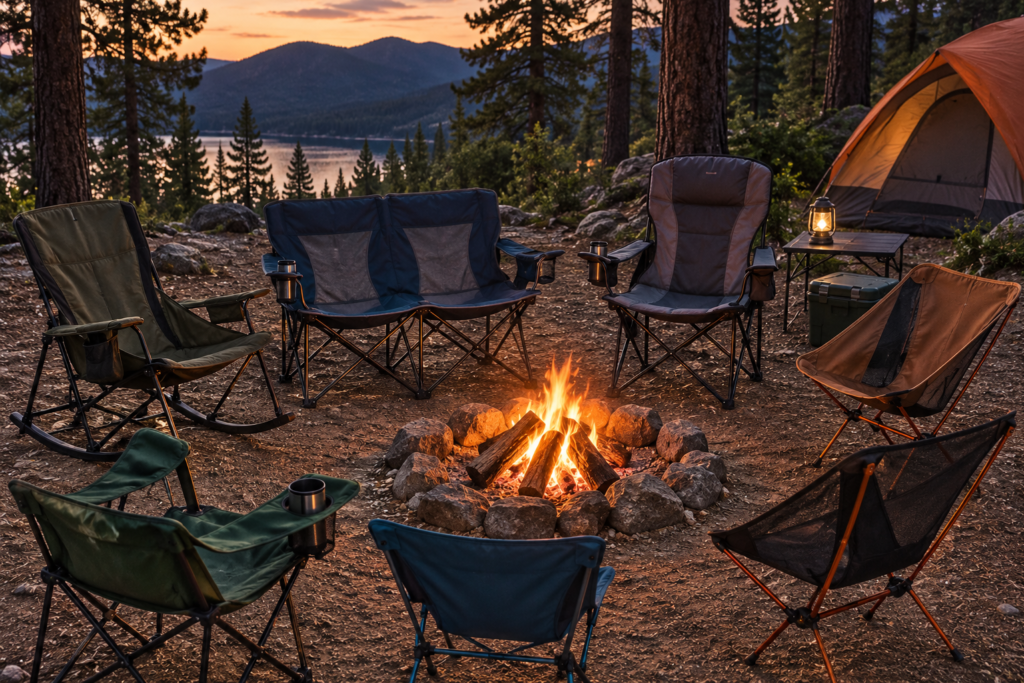
- Folding chairs and camping tables — most sites have outdoor furniture
- An entire wardrobe — you are going for a few nights, not a month
First-time glampers often pack as if they are moving into a yurt permanently. The irony of struggling to carry bags into your luxury accommodation — while the whole point of glamping is that everything is already there — is real. Check the listing, ask the host what is provided, and leave anything that might already be waiting for you at the site.
Common First-Timer Glamping Mistakes — and How to Avoid Them
Most glamping disappointments come not from the experience itself but from mismatched expectations. Here are the mistakes worth knowing about before you book.
- Assuming all glamping sites have the same amenities: They do not. One site’s luxury is another’s basic. Always read the full listing description and check bathroom, bedding, heating, and cooking facilities specifically.
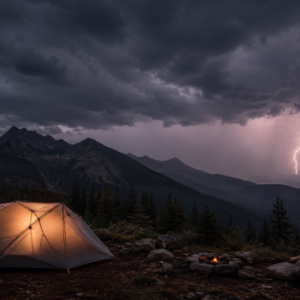
- Ignoring the weather forecast: Glamping is still outdoor accommodation. Rain, wind, cold, and mud are all possible. Pack accordingly and embrace them — a cosy evening inside a warm yurt while rain falls outside is genuinely beautiful.
- Underestimating the location: A remote site that looks stunning in photos may also mean rough roads, no mobile signal, and a long drive to the nearest restaurant. Know what you are booking.
- Arriving late to a remote property: Finding a tiny cabin in the woods is significantly easier in daylight than after dark with one bar of signal and a slightly anxious partner. Plan to arrive with daylight to spare.
- Expecting hotel-level service: Glamping is not a hotel. Your host may not be on-site at all times. The surroundings may include things that hotels remove: insects, uneven ground, occasional animal sounds. This is part of the experience.
- Not reading the reviews: The listing photos show the best version of the site on the best day. The recent reviews show what it is actually like.
- Wearing new shoes: You will be walking on uneven ground, grass, and possibly mud. Broken-in comfortable footwear is essential. High heels at a glamping site is a choice that only makes sense in photos and not in practice.
Eco-Friendly Glamping: Enjoying Luxury Without Leaving a Mark
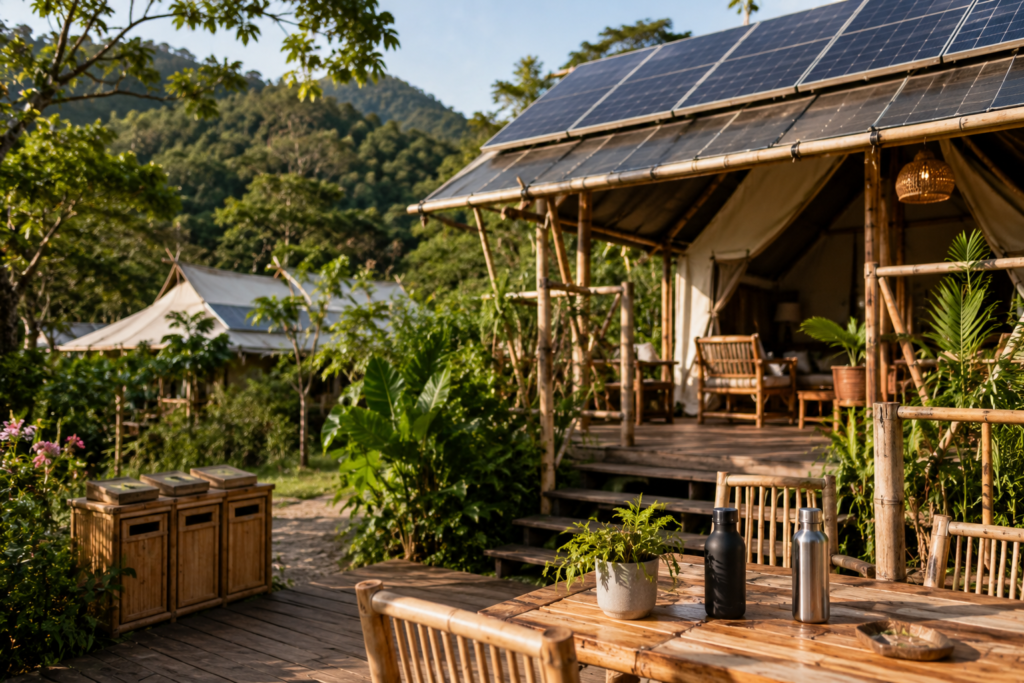
Some of the best glamping sites in the world are also the most environmentally thoughtful — and the two things are not in conflict. Sustainable glamping has become a genuinely important part of how many high-quality sites operate.
- Choose sites that use renewable energy — solar panels and wind power are increasingly common in quality glamping properties
- Look for sites that source food locally and minimise single-use plastic
- Bring biodegradable toiletries and reusable water bottles, crockery, and bags
- Follow the site’s specific waste disposal guidance — composting and recycling systems vary between sites
- Respect the natural environment around the site — stay on paths, do not disturb wildlife or vegetation
Our sustainable camping and Leave No Trace Guide covers the full picture of how to enjoy the outdoors responsibly — principles that apply whether you are in a five-star yurt or a basic tent.
Food and Dining at a Glamping Site
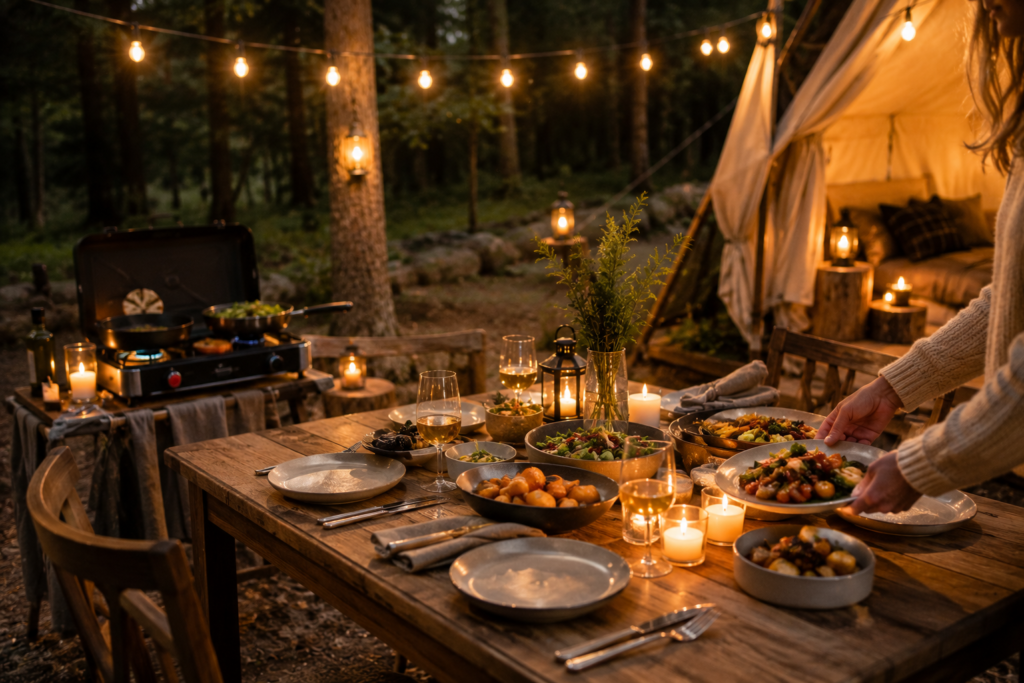
One of the genuine joys of a glamping trip for beginners is that the food situation is almost always better than at a traditional campsite — and more interesting than a hotel restaurant.
- On-site dining or personal chef services: Some luxury glamping resorts offer restaurant facilities or a personal chef option. This is the most indulgent version — ideal for a special occasion where you genuinely want to switch off completely.
- Fully equipped kitchen: Many mid-range glamping sites offer a kitchen with enough equipment to cook proper meals. This is where cooking at a glamping site becomes genuinely fun — the setting makes everything taste better.
- Outdoor BBQ or campfire cooking: One of the highlights of glamping — cooking over fire with a view. Even if you are not a confident camp cook, this is the most social and enjoyable way to eat outdoors.
- Basic stove only: Some properties have a small outdoor stove and very basic cooking equipment. This is the version that is closest to camping. Know what to expect before you arrive.
If your glamping site has a basic outdoor kitchen rather than a chef service, our easy camp cooking for beginners guide has recipes and techniques that produce genuinely great food with minimal effort and equipment.
Glamping for Different Occasions and Groups
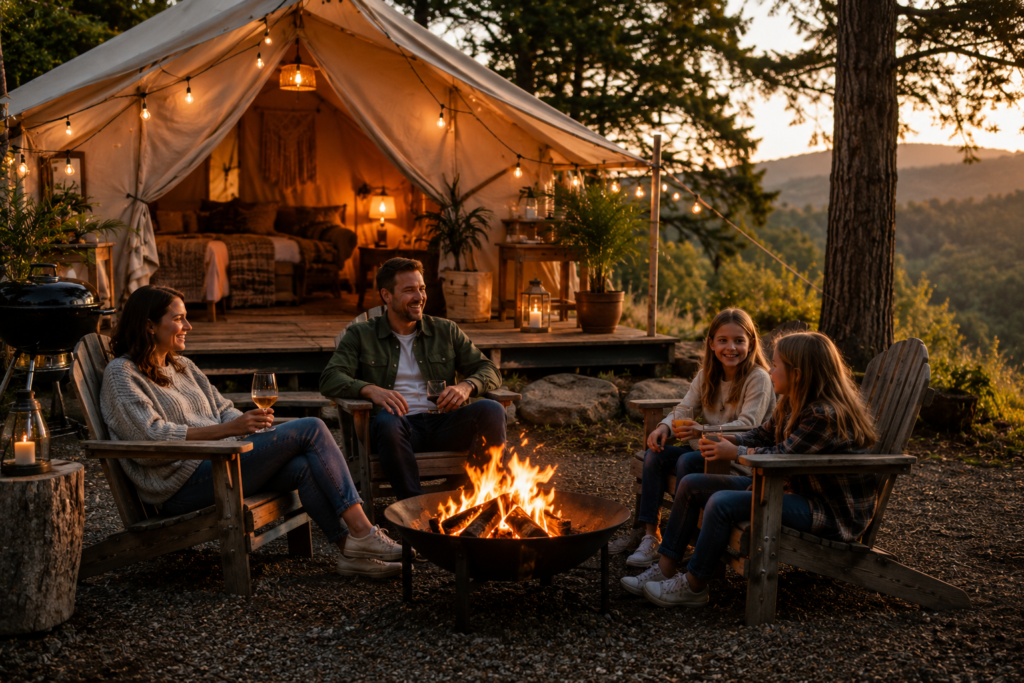
One of the reasons glamping has grown so quickly is how versatile it is as a travel format. It adapts to almost any occasion and group size.
- Romantic breaks: Geodomes, bell tents with private fire pits, treehouses with champagne at the door. Some of the most romantic accommodation available is now a glamping property rather than a hotel suite.
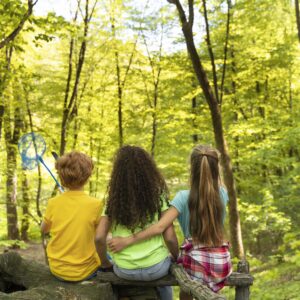
- Family holidays: Glamping solves the specific problem of camping with young children — the beds, warmth, and basic amenities remove the main sources of stress. Children get the magic of being outdoors; parents get some sleep.
- Milestone celebrations: Birthdays, anniversaries, hen and stag weekends, graduations — glamping sites increasingly cater for groups and celebrations with communal spaces and multiple accommodation units.
- Solo adventures: A glamping site is one of the most comfortable and accessible ways to try solo travel outdoors. The site host is usually nearby, amenities are provided, and the experience is genuinely rewarding.
- Digital detox: More glamping sites are offering intentional no-screen experiences. If this is your goal, look for properties that actively support disconnecting — not just ones that happen to have patchy Wi-Fi.
Glamping is one of the best ways to introduce children to the outdoors without the stress of traditional camping. For everything else that makes a family outdoor adventure work, our camping with kids guide covers the full picture.
Glamping sites tend to be in beautiful natural settings — our outdoor camping activities guide covers stargazing, wildlife watching, foraging, and everything else worth doing at a campsite.
Frequently Asked Questions About Planning a Glamping Trip
What is the difference between glamping and camping?
The main difference is accommodation. Camping requires you to bring and set up your own shelter — tent, sleeping bag, cooking equipment. Glamping provides furnished accommodation that is already set up on arrival, typically with a real bed, electricity, and running water. The experience of being in nature is very similar. The experience of getting ready for bed is dramatically different.
What should I check before booking a glamping site?
The five things worth verifying before booking: bathroom type (private, shared, or composting), bedding provision (provided or bring your own), electricity supply (mains, solar, or battery only), cooking facilities (full kitchen, outdoor stove, or none), and location logistics (distance from nearest town, road conditions, and mobile signal). These are the areas where listings most often create mismatched expectations. If the listing does not specify, ask the host before you book.
What should I pack for a glamping trip?
Pack weather-appropriate clothing and layers for cool evenings, your personal toiletries (check whether the site provides them), a headtorch for dark nights, insect repellent, food and drinks for your first day if the site is remote, and entertainment for the evenings. Leave behind: your tent, your camping sleeping bag, heavy cookware, folding tables and chairs, and anything you might find already provided at the site. Check the listing, then pack accordingly.
Is glamping good for first-time outdoor travellers?
Glamping is arguably the best possible introduction to outdoor travel for people who have never done it before. The accommodation is comfortable and pre-arranged, so there is no setup stress. The natural setting gives you the outdoors experience without the equipment learning curve. Most glamping sites have hosts who are helpful and accessible. And if you love it — which most people do — it builds the confidence and enthusiasm that leads to more adventurous trips in the future.
How much does glamping typically cost?
Glamping costs vary enormously — from very affordable cabin options through to expensive luxury resorts. As a rough guide, expect to pay somewhere between the cost of a budget hotel and a mid-range hotel per night, depending on the quality of the site and the type of accommodation. Booking in shoulder season (spring and autumn rather than peak summer) typically saves 20-40% on the same site. Two to three nights is the ideal length for a first glamping trip — long enough to relax, manageable if it does not go perfectly.
Your Perfect Glamping Trip Starts With One Good Decision: Booking It
The most common reason people do not go glamping is not the cost or the logistics or the uncertainty about what to pack. It is simply that they have not got around to booking it yet. The idea stays as a future plan while perfectly good summers and autumn weekends go by.
A glamping trip for beginners does not require much planning. Choose a setting that appeals to you, pick a site with good recent reviews, verify the key amenities, book two or three nights, and go. The doing is always better than the planning.
Glamping gives you all the best reasons to go outdoors — the air, the space, the slowness of time, the mornings that taste better than any morning in a city — and gently removes the friction that has been stopping you. The result is an outdoor experience you will want to repeat. Often.
And if your glamping trip inspires you to try something a little more adventurous next time, our complete camping checklist for new campers is the place to start — everything you need before your first proper camping adventure.