Sustainable Camping: The Complete Leave No Trace Guide
-
| Founder & Content Creator

Latest Posts




Sustainable camping is one of the most meaningful things you can embrace as an outdoor enthusiast — not because it’s trendy, but because the wild places you love genuinely depend on it. Camping gives you something real: fresh air, open skies, that particular quiet you only find away from screens and schedules. In return, sustainable camping asks something simple of you: leave the place exactly as you found it — or a little better.
With more people heading outdoors than ever before, eco-friendly camping has quietly shifted from a nice-to-have into a genuine necessity. Popular campsites are showing signs of overuse — soil compaction, disturbed wildlife, litter on trails that were pristine a decade ago. None of that happens because campers are careless people. It happens because the right habits were never learned. This guide changes that.
Green camping and sustainable outdoor recreation are not just buzzwords — they represent a genuine shift toward responsible tourism that protects our natural heritage. More importantly, they make for a better camping experience. Campsites that are respected stay beautiful. Wildlife that is left alone behaves naturally. Trails that are not eroded are more enjoyable to walk. Sustainable camping is not a sacrifice. It is simply the smarter, more satisfying way to do it.
THE SIMPLEST WAY TO THINK ABOUT IT
Leave every campsite, trail, and natural space in exactly the same condition — or better — than you found it. That is sustainable camping in one sentence. Everything else in this guide is the practical detail of how to make that happen without thinking twice about it.
Why Sustainable Camping Is No Longer Optional
Here is a number worth sitting with: an estimated 8 million tons of plastic pollution enter our oceans every year — and a meaningful portion of it originates from land-based activities, including camping. That is not meant to make you feel guilty. It is meant to show you that the choices made at campsites add up — across millions of trips, millions of campers, over years.
Popular camping areas are increasingly showing the strain of growing visitor numbers. Soil erosion from off-trail walking destroys ground-cover vegetation that took decades to establish. Human food left at campsites habituates wildlife in ways that ultimately get animals removed or killed. Campfires in undesignated areas leave permanent scars on fragile ecosystems. These are not rare edge-case problems. They are common, well-documented, and entirely avoidable with the right approach.
The good news: sustainable camping is genuinely achievable for every camper at every experience level. You do not need specialist gear, expensive equipment, or a conservation degree. You need the right habits — learned once, applied automatically from that point on. That is exactly what this guide gives you.
Why Eco-Friendly Camping Is So Important
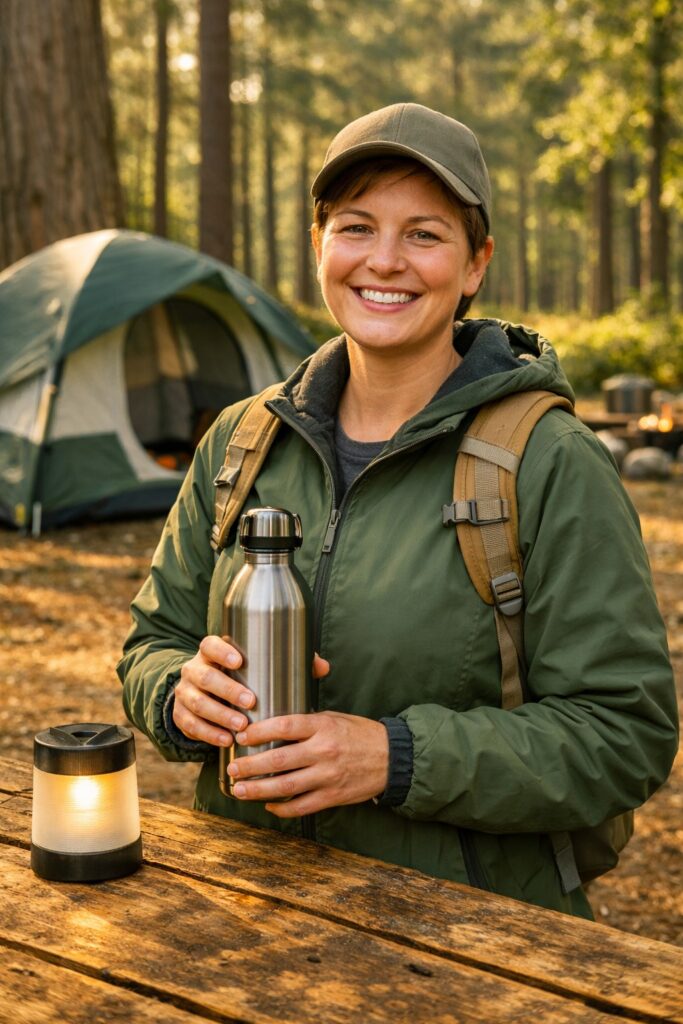
Eco-friendly camping matters for reasons that go well beyond following rules. It is about understanding that you are a guest in a shared natural space — one that supports countless species of plants and animals alongside your tent. Sustainable camping methods help maintain biodiversity, protect fragile ecosystems, and ensure that the natural world remains as extraordinary for future generations as it is for us today.
By adopting eco-friendly camping practices and adhering to Leave No Trace principles, the natural vegetation and wildlife around your campsite can remain genuinely undisturbed. Responsible camping — choosing established campsites, staying on designated trails, using biodegradable camping products — is not a limitation on your experience. It is what makes the experience worth having.
Preserving Our Natural Ecosystem: The Foundation of Responsible Camping
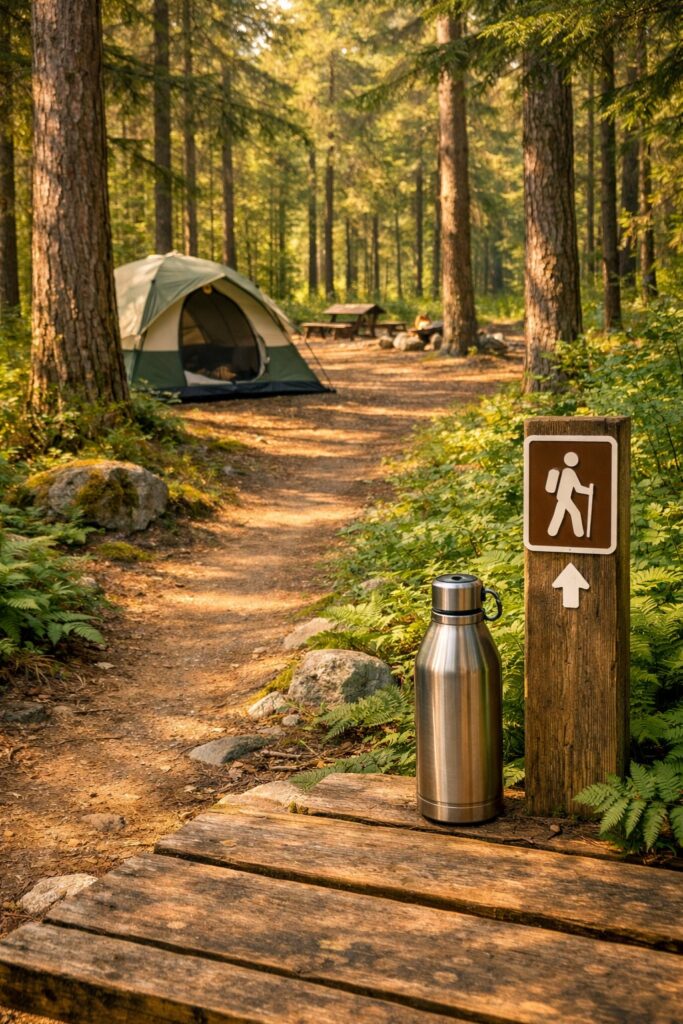
Preserving natural ecosystems while camping is essential for protecting wildlife habitats and keeping human impact minimal. Sustainable camping methods help maintain the biodiversity that supports countless species — some visible, many invisible — that depend on the health of the soil, water, and vegetation you are camping among.
By adopting eco-friendly camping practices, local flora and fauna can be properly protected. Adhering to Leave No Trace principles keeps natural vegetation and wildlife genuinely undisturbed. Responsible camping means choosing established campsites, staying strictly on designated trails, and using eco-friendly camping gear that minimizes damage to the surrounding environment.
One strategy that high-impact campers consistently overlook: plan your trips during off-peak times wherever possible. Visiting popular camping areas during quieter seasons reduces the cumulative pressure on fragile ecosystems and wildlife habitats — and, as a bonus, it usually means fewer people, more peace, and a quieter, more authentic outdoor experience for you. Everybody wins.
Protecting Wildlife While Camping: Small Actions, Big Impact
Protecting wildlife is one of the most important aspects of sustainable camping — and one of the easiest to get right with a little awareness. Wildlife conservation during camping trips starts with a simple principle: we are visitors in their home, not the other way around.
Safe Food Storage to Protect Wildlife
How to Store Food Away from Wildlife at Camp
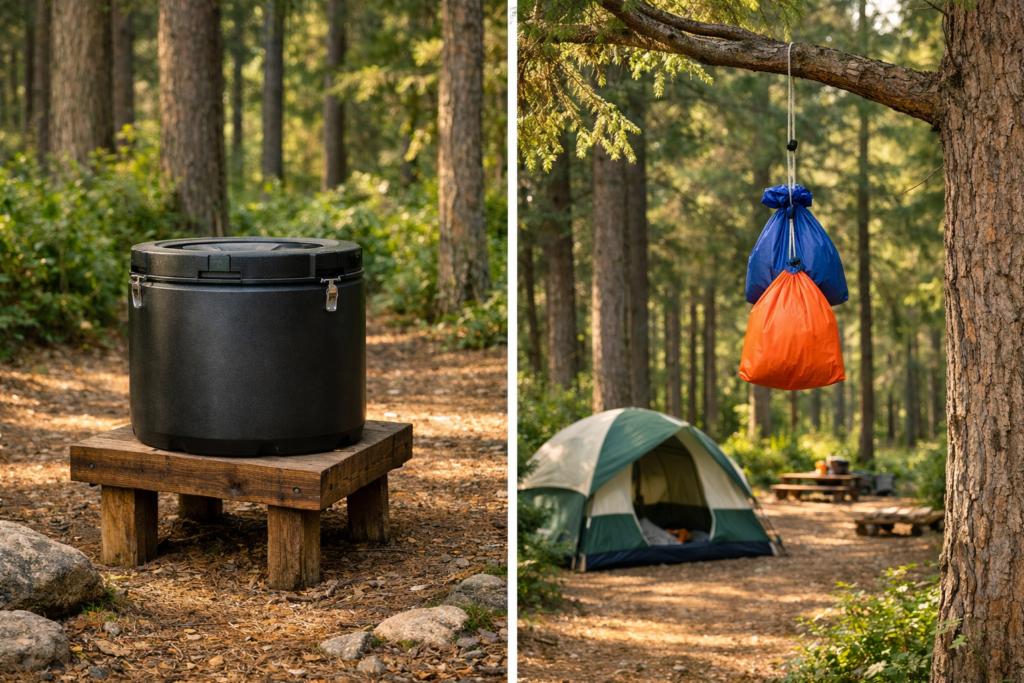
Store all food, cooking equipment, and scented items — including toiletries — well away from your sleeping area. Use bear-proof containers where provided. Where not, hang food bags from a high tree branch using the PCT method: at least 12 feet off the ground, 6 feet from the trunk, and 6 feet below the branch. Never leave food unattended at the campsite table, even briefly.
: For a full guide on handling animal encounters calmly and safely — from insects to large predators — our [wildlife safety while camping] handbook covers every scenario
Responsible Behavior Around Wild Animals
Never feed wildlife — not even small animals, not even ‘just once’. Feeding wildlife damages their health, fundamentally alters their natural foraging behavior, and exposes them to predators and dangers they would otherwise avoid. Animals that associate human campsites with food become bold, then problematic, and ultimately end up being removed or destroyed. That outcome is entirely preventable.
- Keep a safe and respectful distance from all wild animals at all times
- Keep pets on a leash — dogs disturb wildlife, scare nesting birds, and can trigger defensive responses from predators
- Avoid making loud noises, especially at dawn and dusk when wildlife is most active
- Follow seasonal camping restrictions near known breeding grounds, nesting sites, or migration corridors — these exist for good reason
- Use bear-proof containers or properly hang food bags every single night without exception
Using bear-proof containers, selecting wildlife-friendly camping locations, and following seasonal camping restrictions help protect vulnerable species and preserve the natural wildlife corridors that animals depend on for survival.
How to Reduce Your Carbon Footprint as a Camper
Sustainable camping extends beyond the campsite itself. How you travel to it, what energy sources you use once you’re there, and what gear you choose all contribute to the environmental footprint of your trip. The good news: small, consistent choices across all three areas add up to a meaningfully lower impact without reducing the quality of your experience at all.
Sustainable Transport Choices to Your Campsite
- Choose campsites closer to home — the single biggest carbon reduction available to most campers. A local campsite two hours away versus a long-distance destination makes an enormous difference to your trip’s total emissions
- Carpool whenever possible — splitting a car journey between four people reduces per-person emissions by approximately 75%
- Use public transport or train travel where routes exist — increasingly viable for popular camping destinations
- Cycle to nearby campsites — adds a genuine adventure dimension and produces zero emissions
- Offset unavoidable long-distance journeys — reputable carbon offset programs, such as those offered by verified reforestation charities, neutralize the emissions from trips you cannot avoid. Even planting a handful of trees through a local conservation group makes a measurable difference over time
Renewable Energy at Camp
Solar-Powered Gear Worth Packing
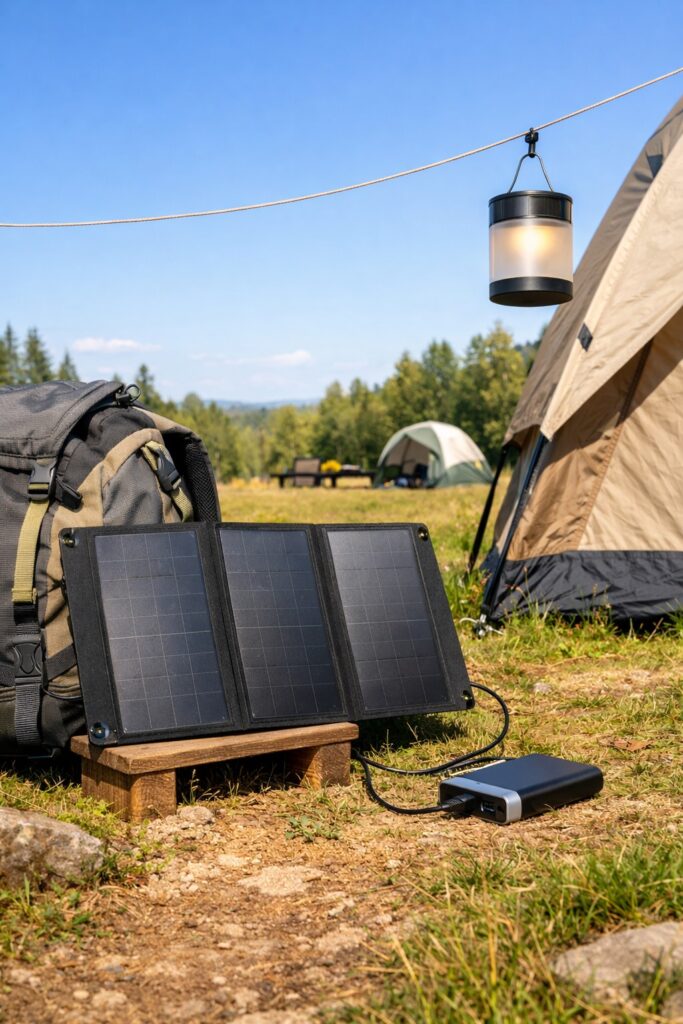
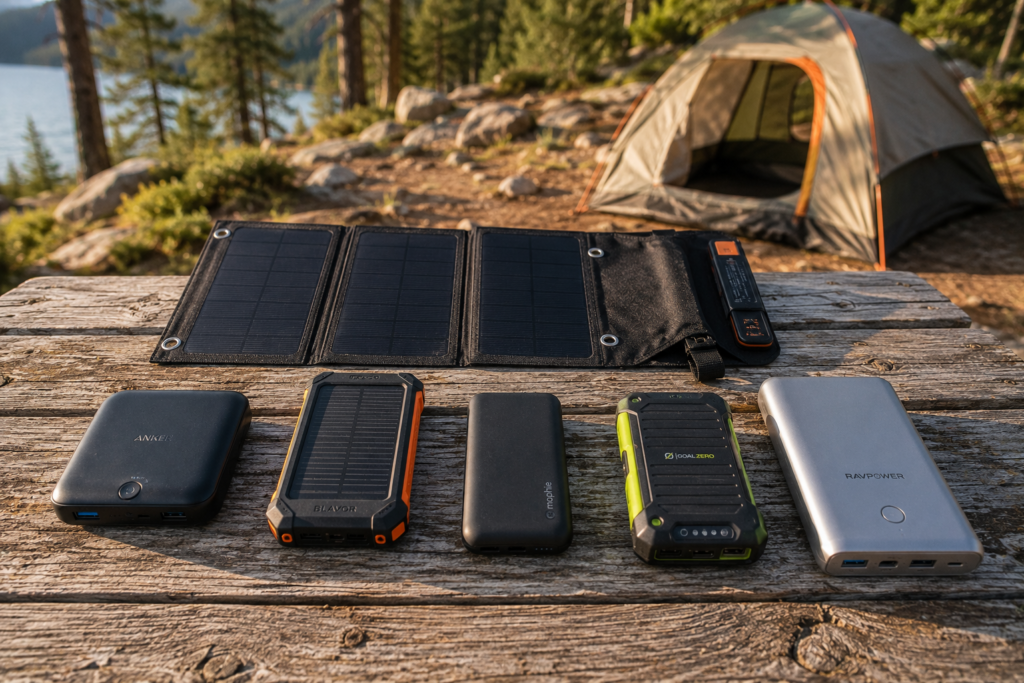
Using solar-powered lights, reusable gear, and eco-friendly camping stoves can significantly reduce your environmental impact at camp. Low-impact camping also involves biodegradable camping products, energy-efficient equipment, and zero-waste camping strategies that leave nothing behind.
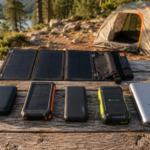
- Foldable solar panel (15-25W) — charges phones, power banks, and small devices directly from sunlight at no ongoing cost
- Solar LED lantern — recharges during the day, provides clean light all evening without disposable batteries
- Rechargeable battery pack — stores solar energy for use after dark or during cloudy days
- Avoid single-use batteries entirely where rechargeable alternatives exist — they are cheaper long-term and eliminate chemical waste from entering the environment
Choosing to camp closer to home, carpooling, cycling, and using recyclable materials are all practical ways to meaningfully reduce your carbon footprint — and none of them make your trip less enjoyable. If anything, they make it more intentional.
Sustainable Camping Activities That Make You Part of the Solution
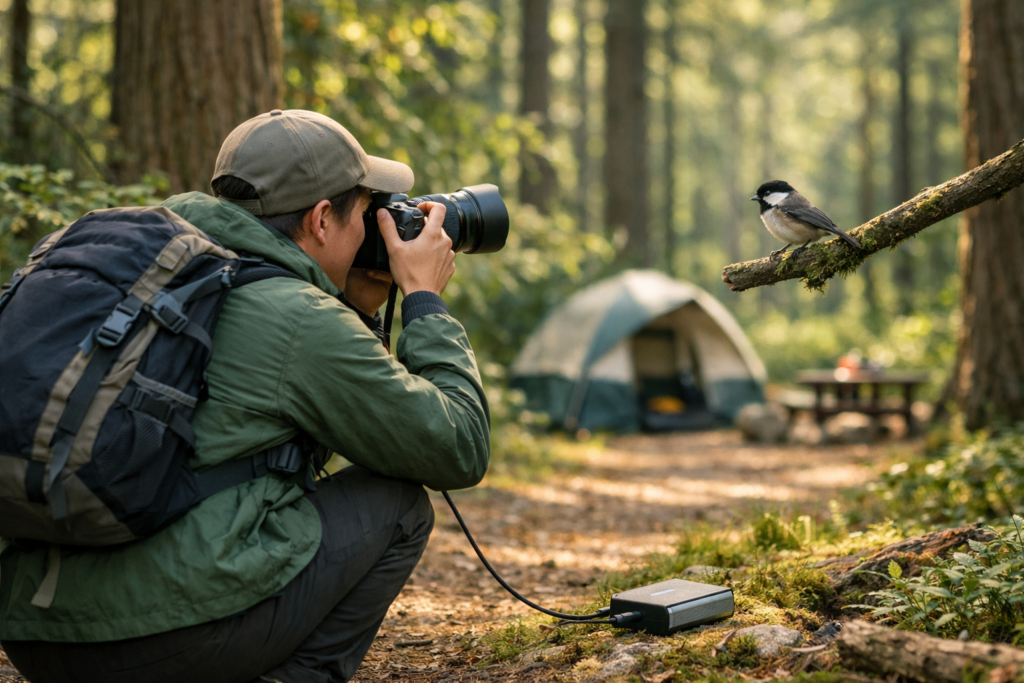
By incorporating eco-friendly practices into your camping trips, you naturally become an advocate for sustainability — not through lecturing, but through example. People around you notice. Fellow campers pick up habits they see working. Children who grow up camping sustainably carry those values into everything they do. It starts with you, at your campsite, on your trip.
Sustainable outdoor activities include nature photography, wildlife observation, hiking on established trails, and participating in conservation volunteer programs during camping trips. Sticking to marked trails is not bureaucratic box-ticking — walking off-trail causes soil compaction and erosion that destroys the fragile ground-cover vegetation beneath your feet, often permanently.
- Nature photography — observe and document without touching, removing, or disturbing anything. Photographs leave no trace
- Wildlife observation — from a safe, respectful distance, using binoculars or a zoom lens
- Trail hiking — on established routes only; single file in groups to minimise the footprint
- Conservation volunteering — many campsites and parks run trail maintenance, planting, and cleanup days. Joining one is one of the most meaningful sustainable camping experiences available
- Campsite cleanup — before leaving, collect any litter you find — including other people’s. It takes minutes and leaves a lasting positive impact
- Nature journaling — give children (or yourself) a notebook to record what they observe: birds, insects, plants, cloud patterns. Builds connection without taking a thing
Green camping gear essentials support all of these activities: biodegradable soaps, reusable water bottles, solar-powered devices, and eco-friendly camping cookware made from sustainable materials like bamboo or recycled aluminium. Using biodegradable soaps at least 200 feet from water sources, minimizing vehicle usage, and avoiding campfires in sensitive locations — these are not constraints. They are the habits of a camper who genuinely loves the outdoors.
Eco-conscious camping also involves supporting local communities, choosing environmentally responsible camping suppliers, and participating in campsite cleanup initiatives wherever they exist. When you spend money locally — food from nearby markets, guided experiences from local operators — you contribute to the economy of the very communities who protect the land you are camping on.
How Eco-Friendly Camping Promotes Your Health and Wellbeing

In addition to protecting the environment, eco-friendly camping does something remarkable for the people doing it. Sustainable camping creates a genuine sense of purpose outdoors — you are not just enjoying nature, you are actively contributing to its preservation. That combination of physical activity, fresh air, and meaningful purpose produces measurable improvements in both mental and physical health.
Sustainable camping practices promote better air quality, cleaner water sources, and healthier outdoor environments that benefit both campers and local wildlife. The Japanese concept of Shinrin-yoku — or forest bathing — has been clinically studied and shown to reduce cortisol (the primary stress hormone) within as little as 20 minutes of mindful time in nature. You do not need to be doing anything in particular. Simply being present in a clean, undisturbed natural space produces genuine, measurable health benefits.
By adopting eco-friendly solutions, you contribute to a pollution-free environment that remains safe, clean, and intact — not just for future generations, but for your next trip. Green camping benefits include improved mental health through nature connection, physical wellness from outdoor activity, and the deep satisfaction of knowing your presence made things better rather than worse.
THE THING NOBODY MENTIONS
Sustainable campers consistently report something that is hard to quantify but easy to feel: a stronger, more genuine connection to the places they visit. When you care for a natural space — when you pack out someone else’s litter, or build your fire responsibly, or store your food properly — it stops being just a backdrop for your trip. It becomes somewhere you actually belong.
Essential Eco-Friendly Camping Gear That Actually Makes a Difference
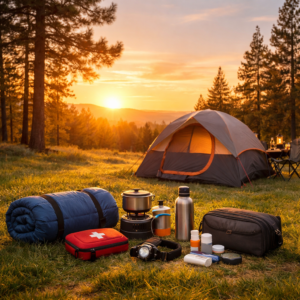
Eco-friendly camping gear has improved dramatically in recent years. You no longer have to choose between being sustainable and being well-equipped. Here is the gear that genuinely reduces environmental impact — not greenwashing, but real, practical alternatives that work as well or better than their conventional counterparts.
Biodegradable Products Worth Switching To
- Biodegradable soaps and toiletries — safe for use near water sources, break down naturally without harming aquatic ecosystems. Use them at least 200 feet from any water source for best practice
- Biodegradable toilet paper — or pack out standard TP; non-biodegradable paper persists in soil for months and is one of the most visible forms of campsite contamination
- Reef-safe and fragrance-free sunscreen — required at many coastal and marine-protected camping areas. Better for the environment and for attracting fewer insects
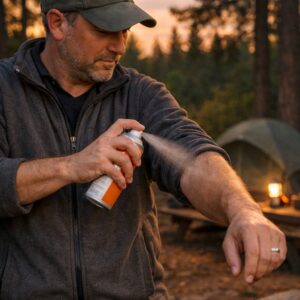
- Natural insect repellent — DEET-free formulas using lemon eucalyptus oil are effective and ecologically gentler near waterways
- Compostable waste bags — for organic food waste; break down without leaving microplastic residue
Reusable and Zero-Waste Gear
- Reusable water bottles and water filter — eliminates single-use plastic bottles entirely; a filter bottle handles any water source safely
- Reusable plates, cups, and cutlery — stainless steel, titanium, or bamboo. Bamboo cookware and utensils are a fantastic choice: cheap, durable, and require minimal resources to produce
- Solar-powered gear — see the energy section above for the full list
- Eco-conscious cookware — look for materials like recycled aluminium; lighter than standard options, durable, and produced with a lower manufacturing footprint
- Second-hand camping gear — the most sustainable gear purchase you can make is one that already exists. Check outdoor gear swap communities, charity shops, and peer-to-peer marketplaces before buying new. The environmental impact of new manufacturing is avoided entirely
The Best Sustainable Camping Practices to Follow Every Trip
Sustainable camping is ultimately built from habits — small decisions made consistently on every trip that become second nature over time. Here are the practices that matter most in real campsite conditions.
Campfire Ethics and Water Conservation
How to Fully Extinguish a Campfire
Campfire management is one of the areas where camper behaviour has the most visible, lasting environmental impact. Beyond using designated fire rings and collecting only dead fallen wood, the most critical practice is extinguishing fires correctly — not just ‘mostly out’.
- Drown the fire completely with water — not just the flames but all the embers and ash
- Stir the ash with a stick while adding more water — reach into every layer
- Feel for heat with the back of your hand — if it is still warm, it is not out. Add more water and repeat
- Scatter cold, wet ash widely — never leave a mounded ash pile that can smoulder underground
- Only build fires in designated fire rings — never create new fire rings or burn in undesignated areas
For water conservation: always wash dishes and yourself at least 200 feet from any natural water source. Use the smallest amount of biodegradable soap needed. Scatter grey water widely rather than dumping it in one spot. Collect rainwater when camping in wet conditions to reduce pressure on natural water sources.
- Avoid single-use plastics by choosing sustainable, reusable alternatives for every item in your kit
- Camp at certified eco-friendly sites where available — look for Green Key or equivalent national eco-tourism certifications
- Follow Leave No Trace principles diligently on every trip, not just when someone is watching
- Contribute to local conservation projects and support responsible eco-tourism wherever you travel
- Use renewable energy and efficient gear to lower your carbon footprint at camp
For a practical guide on maintaining personal hygiene outdoors while keeping your environmental impact minimal, our [family camping hygiene tips] guide covers biodegradable products, water-free cleaning, and eco-friendly bathroom solutions in detail.
Frequently Asked Questions About Sustainable Camping
These are the questions that new and experienced campers ask most often about sustainable and eco-friendly camping — answered directly and honestly.
What is the most important Leave No Trace principle?
All seven principles work together, but ‘Dispose of Waste Properly’ tends to have the most immediate, visible environmental impact. Pack out everything you brought in — every piece of packaging, every food scrap, every piece of litter you find. If you can only remember one sustainable camping habit, make it this one.
What is the easiest way to start sustainable camping?
Start with three simple swaps before your next trip: replace single-use plastic bottles with a reusable water bottle and filter, swap your soap and shampoo for biodegradable alternatives, and bring a proper bag for all your waste. These three changes alone make a significant, tangible difference — and cost very little to implement.
Does eco-friendly camping gear really make a difference?
Yes — particularly biodegradable soaps and toiletries, which directly protect the waterways and soil at your campsite. Solar-powered lanterns and rechargeable batteries eliminate chemical waste entirely over time. The most sustainable gear choice of all, however, is buying second-hand — it requires no new manufacturing and keeps functional gear out of landfill.
How do I dispose of human waste when camping without facilities?
Dig a cathole 6-8 inches deep, at least 200 feet from water, trails, and your campsite. Use a small trowel. Bury waste and biodegradable toilet paper. Pack out all non-biodegradable sanitary items in a sealed waste bag. In high-use or sensitive areas, pack out all waste using a WAG bag. Always check area-specific regulations before your trip.
Can my individual camping habits really make a difference?
More than you might think. Research consistently shows that individual camper behavior has a cumulative, measurable effect on natural areas. When millions of campers each make one better choice — staying on trail, packing out one more piece of litter, using a camp stove instead of a ground fire — the aggregate effect on natural spaces is significant and well-documented. Your habits matter. And the person who sees you camping responsibly might just follow your lead.
Start Your Sustainable Camping Journey — One Step at a Time
Eco-friendly camping is not a trend — it is a direction. And the good news is that you do not need to be perfect on your first trip. You just need to be a little better than you were before.
By adopting sustainable camping practices — from choosing the right tent and cooking equipment, to using biodegradable products, carpooling, and picking up litter that isn’t yours — you actively reduce your environmental footprint and contribute to preserving a clean, green, and thriving outdoors. The impact of each individual choice might seem small. Multiplied across every trip, every camper, every season, it is anything but.
Remember: every small step toward sustainable camping contributes to a larger movement of environmental conservation and responsible outdoor recreation that benefits everyone — the wildlife, the ecosystems, the campers who come after you, and you yourself. So pack your reusable kit, check your Leave No Trace principles, leave the campsite cleaner than you found it, and go enjoy the extraordinary outdoor world we are all trying to protect.