Wildlife Safety While Camping: How to Handle Animal Encounters
-
| Founder & Content Creator

Latest Posts

Hello, nature lovers!
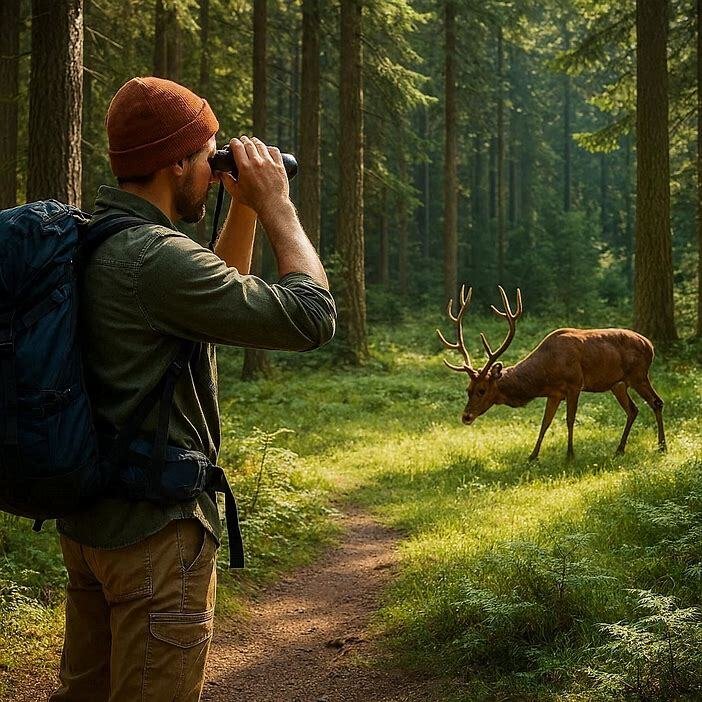
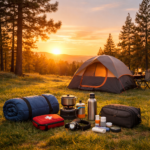
Wildlife safety while camping is an essential skill for anyone who loves exploring nature. Camping beneath the stars and immersing yourself in the great outdoors is truly unforgettable, but sharing space with wild animals requires awareness, preparation, and respect. The good news? With a bit of know-how and planning, you can safely enjoy your camping adventures while respecting the incredible wild life around you.
Before learning about wildlife encounters, it is essential to understand one thing: most wild animals want to avoid you as much as you want to avoid them. The key is to know how these wild animals behave, and how we have to be careful around them, and what precautions to take. There are several wilderness safety protocols to keep in mind for camping safety.
Wildlife awareness is especially important when camping with very young children — our camping with toddlers guide covers campsite safety, water hazards, and campfire rules specifically for the under-5 age group.
Understanding Wildlife Behavior: Why Animals Approach Campsites
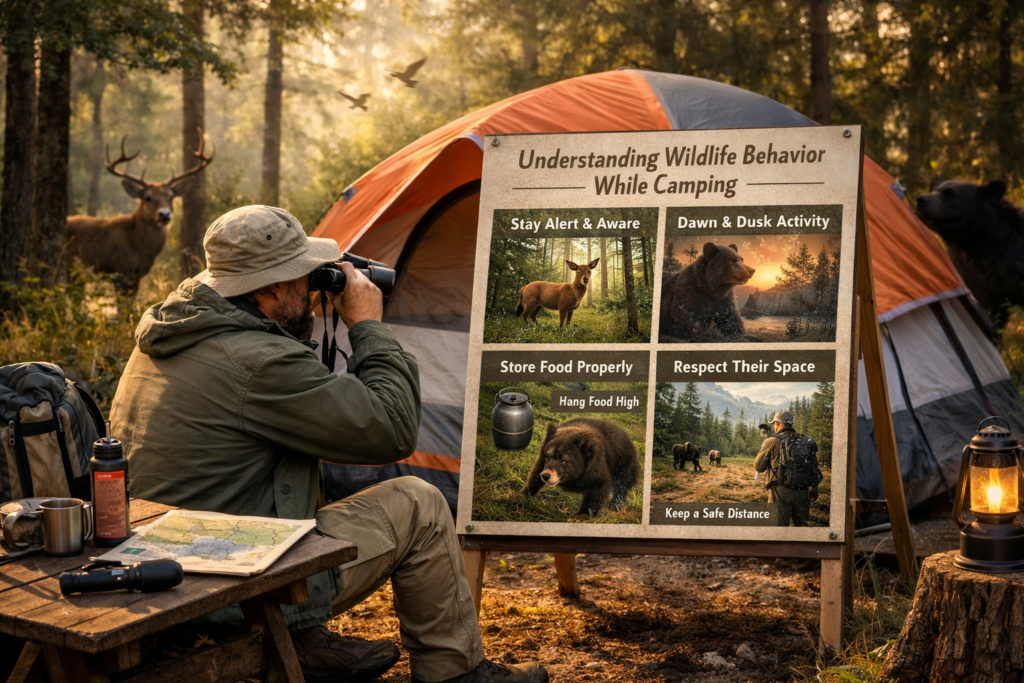
When you go camping, you are stepping into the natural home of wildlife. Forests, mountains, and campsites are active ecosystems where animals follow daily survival routines. Most wild animals avoid humans and prefer to stay hidden, and negative encounters usually happen only when animals feel surprised, threatened, or attracted by food and strong smells.
Understanding wildlife behavior while camping is one of the most effective ways to stay safe outdoors. Animals rely on scent, sound, and movement to assess danger, and small human actions—like improper food storage or moving quietly at dawn or dusk—can unintentionally trigger wildlife encounters. Knowing these patterns helps campers prevent risky situations before they develop.
This knowledge builds confidence rather than fear. Experienced campers, park rangers, and wildlife experts consistently emphasize that wildlife safety while camping starts with awareness and preparation, not just equipment. By learning how animals behave in the wild, campers can protect themselves while respecting nature. This foundation makes it easier to apply practical wildlife safety tips and keep both campers and wildlife safe.
Golden Rules For Wildlife Safety While Camping
Know Before You Go
Before heading out, familiarize yourself with the terrain and watch for signs of wildlife activity, such as tracks or droppings, which can indicate animals are nearby. Occasionally, you might even spot dens—another clue that animals could be close—helping you stay cautious and alert.
Before you head out, run through the complete camping checklist for new campers to make sure you have everything you need — bear spray included
Make Noise While Hiking
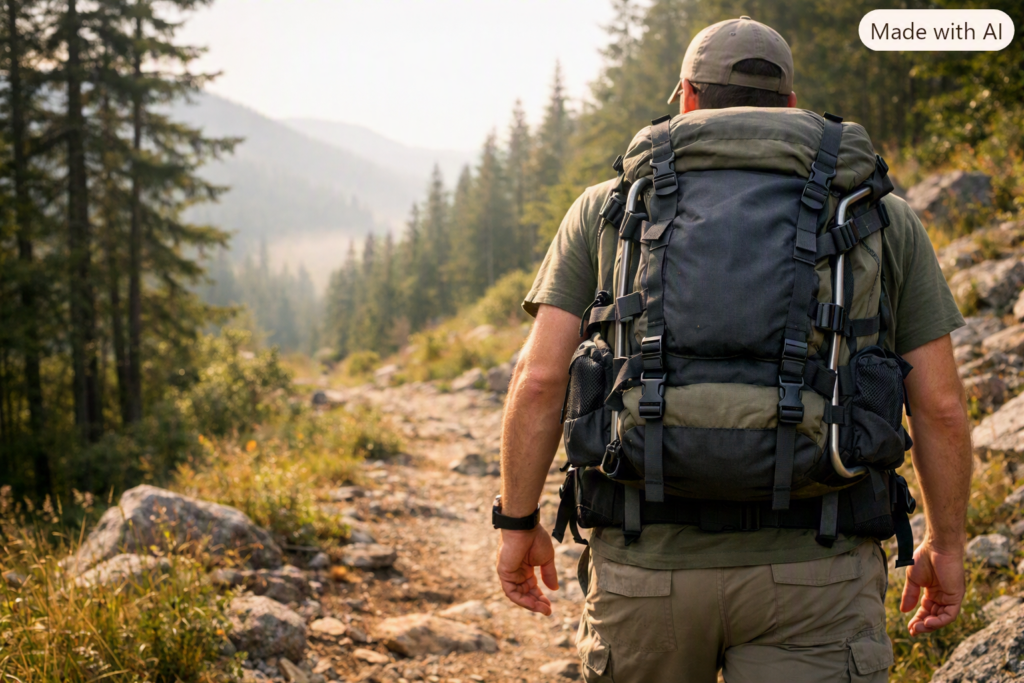
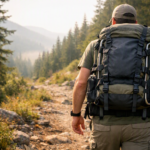
As you hike through wild terrain, make a bit of noise so animals know you’re on the way. Chat with your group, whistle, clap, or even wear a bell—especially near dense vegetation, along streams, or around blind corners where animals might not hear you coming. This simple habit gives wildlife a heads-up, helping them move away before you cross paths, and keeps your hike safer.
Hike in a Group
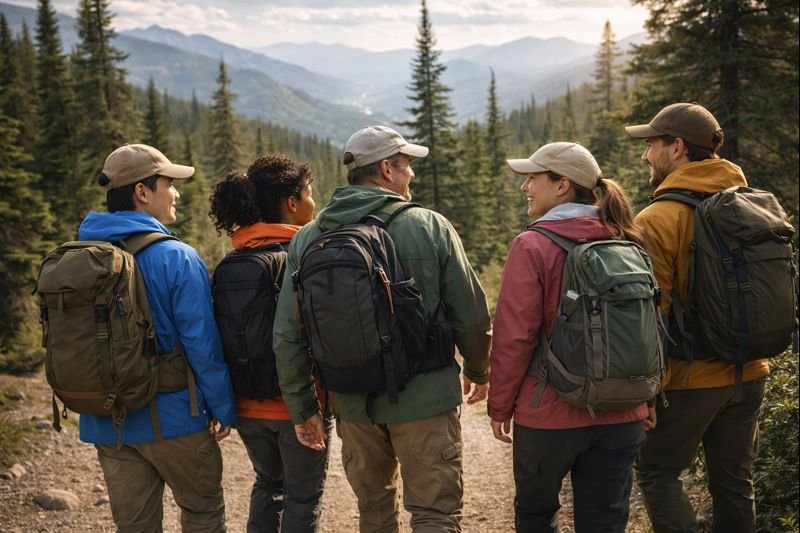
Whenever you can, explore in a group—whether you’re hiking, biking, or enjoying any outdoor activity. It’s safer, more fun, and a great way to look out for one another. And of course, make sure adults are keeping an eye on the kids.
If you’re heading out with children, our camping with kids safety guide covers how to keep little ones safe and aware around wildlife.
Keep the Campsite Clean
Bears have an incredible sense of smell, and food odors are the main reason they approach campsites. To avoid attracting them, store all food securely, clean up thoroughly after meals, and never leave scented items out. Keep the food and garbage in bear-proof containers or in your cars to prevent any sudden encounters. Responsible food handling is key to keeping wildlife—and yourself—safe.
Stay Alert During Dawn and Dusk
Stay extra alert during dawn and dusk—these are prime hours for predator activity. Low light conditions make it harder to spot wildlife, and many animals use this time to hunt or move around undetected. If you’re hiking or setting up camp, keep noise levels up, travel in groups when possible, and avoid secluded areas. Awareness during these hours can make all the difference in staying safe.
Wildlife encounters feel very different when you are alone — our solo camping tips for beginners guide covers specific solo wildlife strategies including food storage, bear spray positioning, and how to stay calm when there is nobody else to turn to.
What to Do If You Encounter Specific Wildlife
Snake Safety While Camping
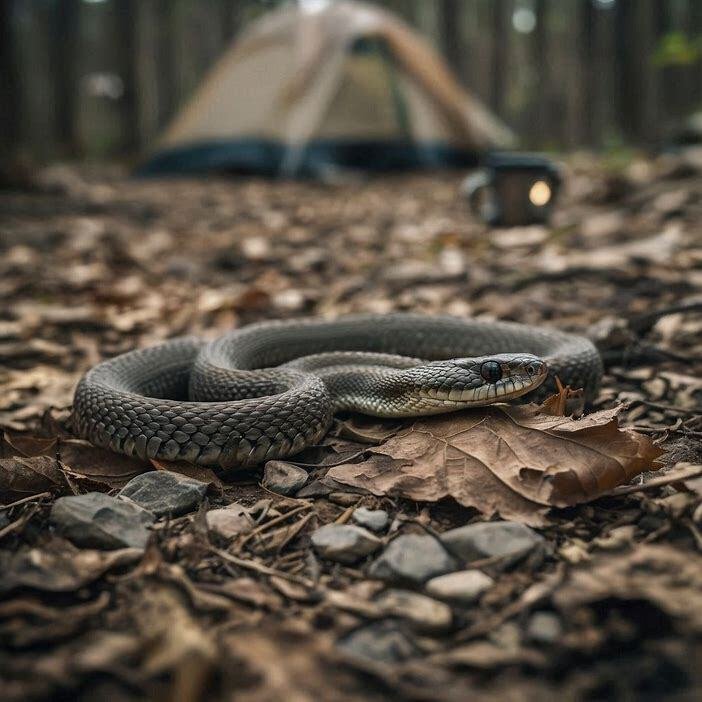
How to Prevent Snake Encounters
Snake encounters while camping are common — but most snakes are non-aggressive, beneficial to the ecosystem, and actively avoid humans.
Could you please keep your campsite clean to prevent snakes from visiting? If there are places to hide, like piles of leaves, shoes, blankets, stacks of wood, or open containers, then your campsite is most likely to attract snakes. These places become a safe hideout for these snakes.
The best camping practices to avoid snake encounters is
- Use a flashlight always when moving around in the nights
- Shake out shoes, blankets and sleeping bags in your tents before use
- Avoid thick bushy areas, or avoid roaming around in thick, tall grassy areas at night time
What to Do If You Encounter a Snake
- Give space to the snake to escape slowly by stepping back
- Never attempt to harm a venomous snake, because they might be dangerous
- Understand that most snakes escape and flee away very quietly if given an opportunity
What to Do in Case of a Snake Bite
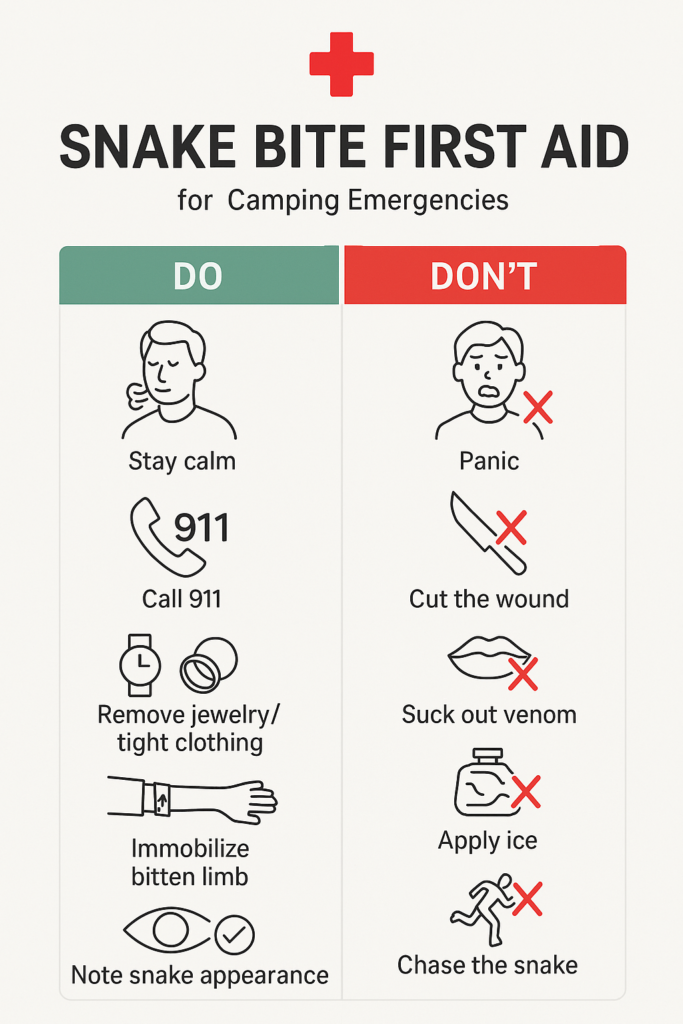
- Do not panic and be calm
- Immediately rush to a doctor
- Try to remember the type or appearance of the snake that bit you for easy medical treatment
- Don’t cut the wound or try to suck out the venom
Bear Safety While Camping
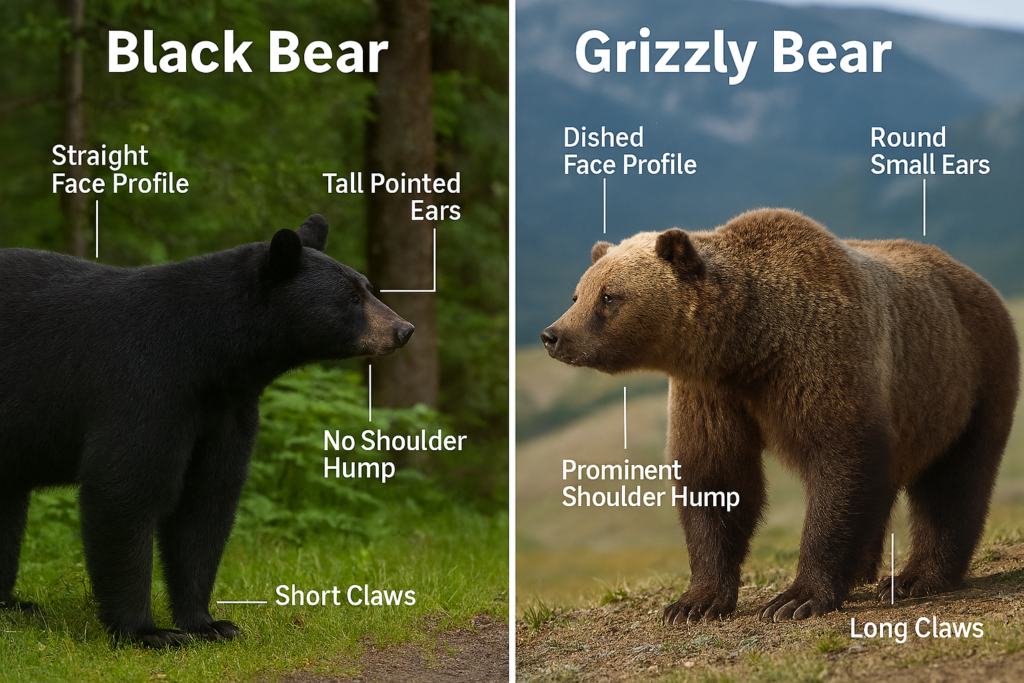
How to Prevent Bear Encounters
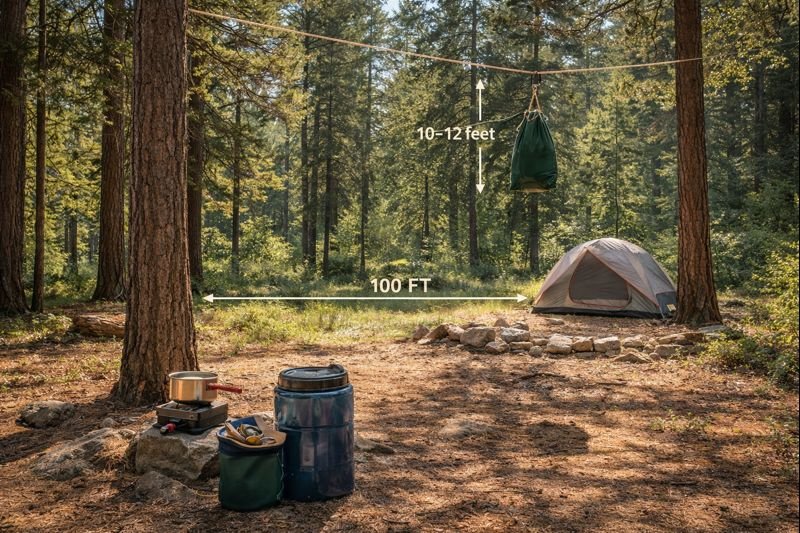
Storing food properly is very critical to prevent bears.
- Never store scented items or food items in your tent
- Have a separate place for cooking, which is at least a few yards away from where you sleep
- Hang the food almost 10 feet above the ground or store food in bear canisters
Make Your Presence Distinctly Felt
- Carry bells if you are walking in an unknown terrain in the wild
- Clap hands while walking
- Talk loudly or keep making noise
What to Do If You Encounter a Bear
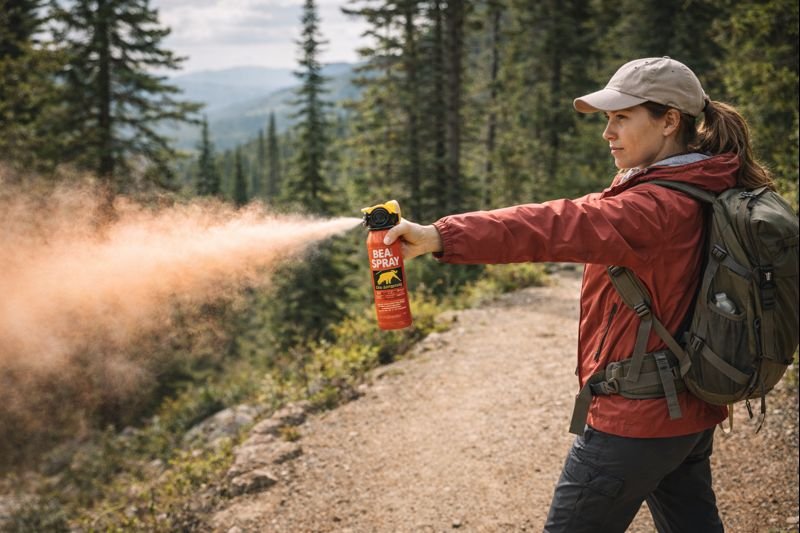
- Stay calm, never turn your back or run
- Make a lot of noise by yelling or using an air horn
- Use bear sprays if they are just 20 to 30 feet away
- Try to calm the bear
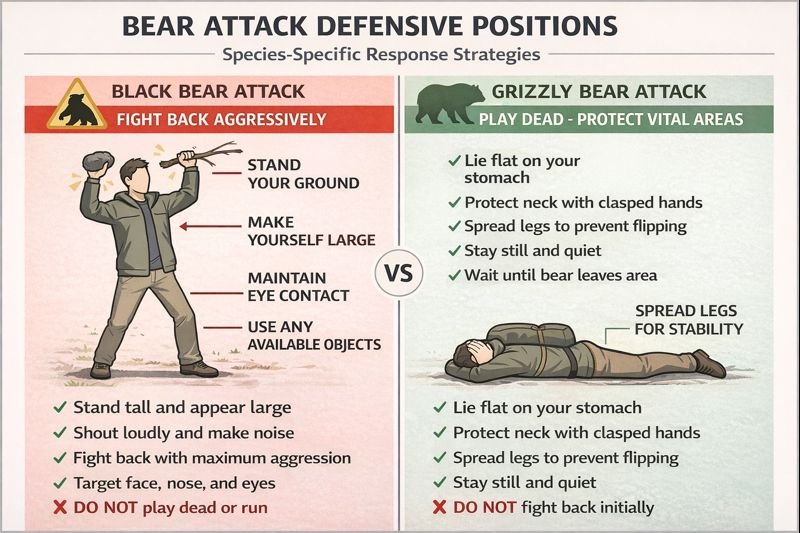
What to Do If a Bear Makes Contact
- For black bear – Fight back intensely with all your might and power
- For Grizzly bears – Lie calm, still and flat on your stomach as if you are dead, and cover the neck with your hands. Spread your legs to that it is impossible for the bear to flip you over
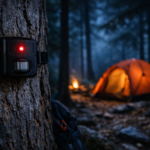
For campsites with known bear or snake presence, radar-based camping alarms add an extra layer of early detection and safety.
Mountain Lion Safety While Camping
Mountain lions encounters are rare, but you need confident and strong action if you encounter any.
How to Prevent Mountain Lion Encounters
- Make noise as you hike—talk, clap, or use a whistle. Lions prefer to avoid humans.
- Hike with a buddy or a small group whenever you can.
- Stick to marked, busy trails. Avoid hiking at dawn or dusk, the peak hunting times for mountain lions.
- Stay alert for warning signs like tracks, scat, or claw marks on trees.
What to Do If You Encounter a Mountain Lion
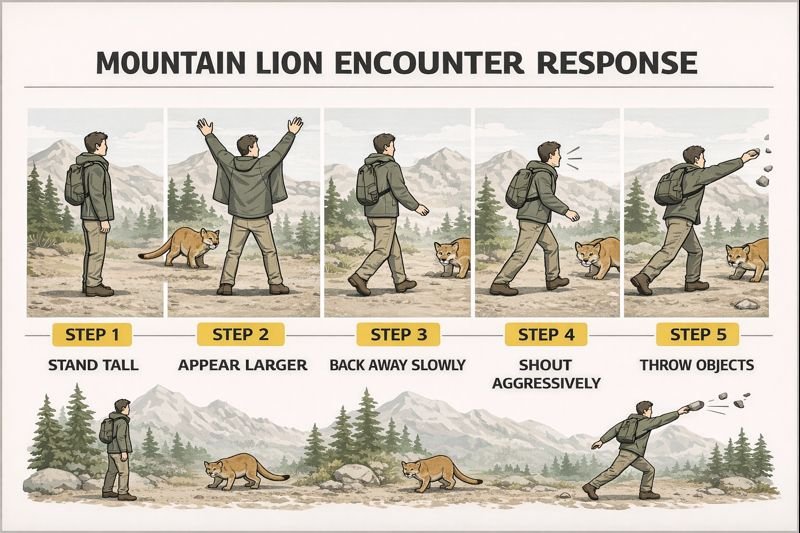
- Hold your ground—don’t crouch or turn away. Keep steady eye contact.
- Stand tall, raise your arms, or spread your jacket to appear larger.
- Never run. Back away slowly while facing the lion.
- Make yourself look big and intimidating.
- Use loud sounds—yell, clap, throw rocks, or wave your jacket.
What to Do If the Mountain Lion Attacks
If attacked, fight back with everything you have—aggressive resistance can drive a lion off.
Keep eye contact and continue making loud noises.
Toss objects in its direction, but please don’t bend over.
Essential Gear for Wildlife Safety While Camping
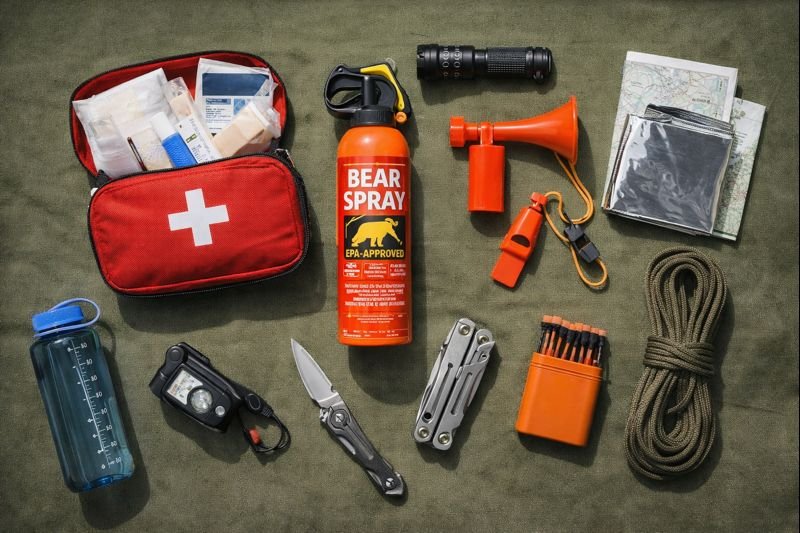
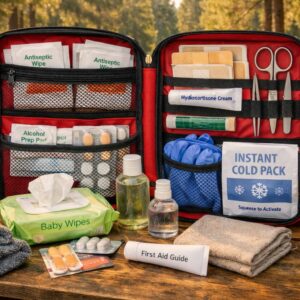
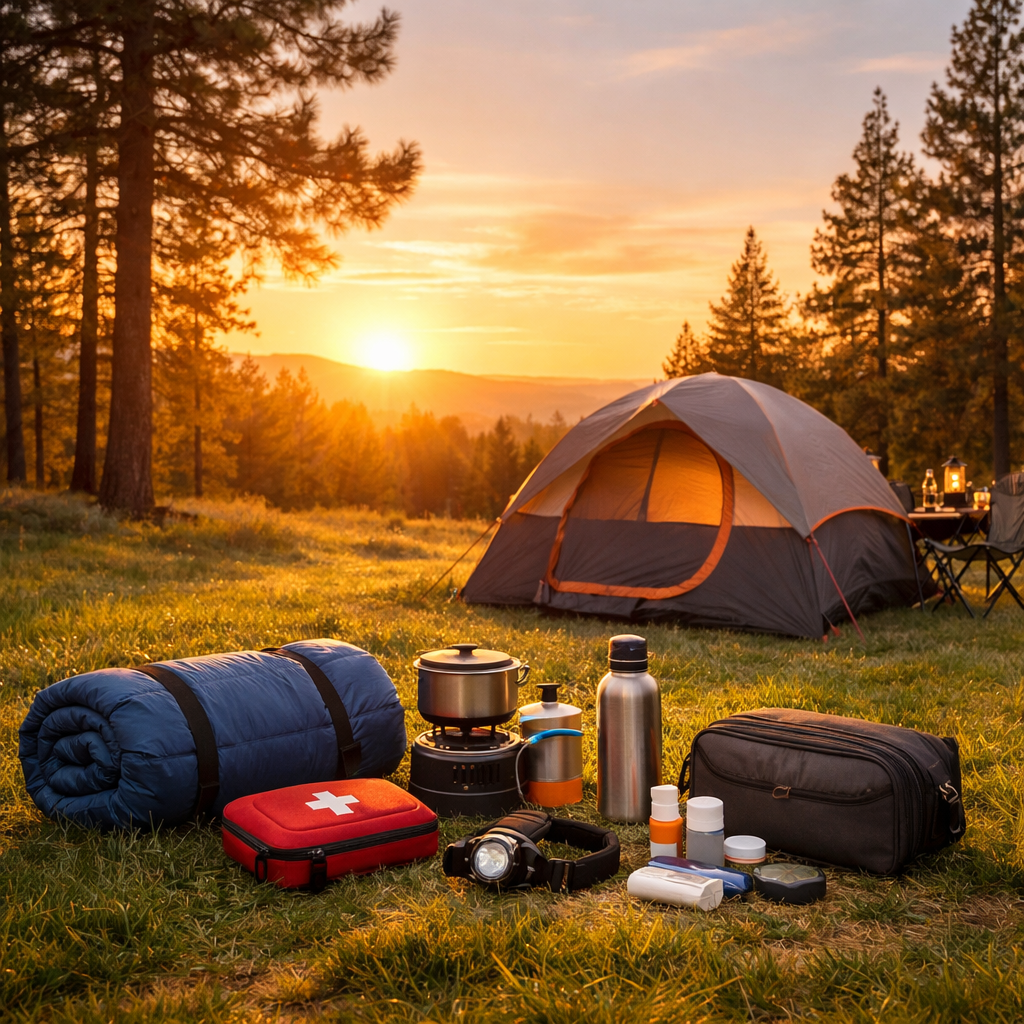
- First Aid kit with Snake bite preparedness essentials: A well-stocked first aid kit is a must for any camping trip, especially in wildlife-prone areas. Including snake bite preparedness items and knowing basic response steps can make a critical difference while you wait for medical help.
- Air Horns and Whistles: Air horns and whistles are simple yet effective tools to scare off curious animals and signal for help in an emergency. Their loud, sharp sound cuts through the outdoors and alerts both wildlife and nearby campers to your presence.
- Fire Arms and Bear Sprays: Bear spray is widely recommended as a non-lethal and highly effective way to deter aggressive wildlife from a safe distance. Where legally permitted and properly trained, firearms may be used as a last-resort option, but prevention and avoidance should always come first.
- Bright Flashlights: Bright flashlights improve visibility after dark, helping you spot animal movement and potential hazards early. They also make you more visible to wildlife, reducing the chances of surprising an animal at close range.
A well-stocked essential camping first aid kit is non-negotiable in wildlife areas — make sure yours includes snake bite preparedness essentials alongside the basics.
How to Stay Safe From Wildlife While Camping
- Stay calm, confident but not aggressive: Move slowly, avoid sudden gestures, and never run or shout at animals. Calm body language reduces the chance of triggering defensive behavior.
- Carry essential wildlife safety gear: Pack bear spray, a first aid kit, air horn or whistle, and a bright flashlight. Keep these items easily accessible, not buried in your backpack.
- Research local wildlife before your camping trip: Learn which animals are common in the area, their active hours, and typical behaviors. This knowledge helps you avoid high-risk situations and choose safer campsites.
- Educate children on wildlife safety rules: Teach kids to stay close, remain quiet, and never approach or feed animals. Simple, clear instructions can prevent panic and dangerous reactions.
- Practice using bear spray before camping: Read the instructions and practice deploying it safely at home. Knowing how it works ensures faster, more effective response during an actual encounter.
Frequently Asked Questions About Wildlife Safety While Camping
Is it safe to camp in areas with bears?
Yes — millions of people camp safely in bear country every year. The key is preparation: store food in bear canisters or hang it at least ten feet off the ground, cook well away from your sleeping area, and carry bear spray on every hike. The vast majority of bear encounters end without incident when campers respond calmly and confidently.
What should I do if I see a snake near my tent?
Stay calm and give the snake space — do not attempt to move, handle, or frighten it. Most snakes near tents are simply passing through and will leave on their own. Step back slowly, keep children and pets close, and wait. Once it has moved on, check around and under your gear before settling in for the night.
Does bear spray actually work?
Yes — bear spray is highly effective and widely recommended by wildlife experts and park rangers as the best non-lethal deterrent for aggressive bears. Studies have shown it is more reliable than firearms in a bear encounter scenario. Practice deploying it before your trip so you can use it quickly if needed. Carry it clipped to your belt or harness, not buried in your backpack.
What time of day are wild animals most active near campsites?
Dawn and dusk are the peak activity windows for most wildlife — bears, mountain lions, deer, and raccoons are all most active during these low-light hours. This is when extra vigilance matters most. Make noise as you move around camp, use a bright flashlight after dark, and avoid leaving food out during these windows.
What food storage rules prevent animal encounters at campsites?
The three core rules: never store food or scented items inside your tent, use a bear canister or hang food at least ten feet above the ground and four feet from the trunk, and cook and eat at least two hundred feet from where you sleep. These rules apply to toiletries, toothpaste, and rubbish too — any strong scent can attract wildlife.
Conclusion: Camping safely in Wildlife Territory
Each wildlife encounter is different—there’s no single response that guarantees safety every time. What truly makes the difference is preparation, awareness, and showing respect for the animals whose habitat you’re entering.
Wildlife encounters don’t have to be intimidating or stop you from enjoying the outdoors. With solid preparation, the right gear, and an understanding of how to react, you can explore the wilderness with confidence while keeping both yourself and the animals safe.
Experienced campers often stress prevention first: secure your food, make noise so animals know you’re there, and stay alert. By following proven tips for wildlife safety while camping, you can explore nature confidently while protecting yourself and the animals around you.
So pack wisely, review these safety tips, and embrace the adventure. The memories you’ll create in the wilderness with friends and family are worth cherishing when you have taken the right precautions to keep you and your dear ones safe.
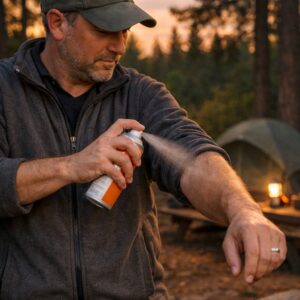
For smaller but equally persistent wildlife, our guide to keeping mosquitoes away while camping has every strategy covered.
Wildlife encounters change significantly when you have a dog on a lead — our guide to camping with dogs covers specific wildlife safety strategies for dog campers including leash management and what to do if your dog triggers an animal response.