Wet Weather Camping: Everything You Need to Know to Stay Dry, Warm, and Happy
-
| Founder & Content Creator

Latest Posts
Here is the thing though: wet weather camping does not have to be the disaster it sounds like. With the right preparation, the right gear, and a shift in how you think about rainy conditions, some of the most memorable camping trips happen when the weather refuses to cooperate. Rain makes the forest smell extraordinary, empties the trails, and brings a kind of cozy intimacy to a campsite that a perfect sunny day rarely achieves.
This guide covers everything — how to choose a campsite that works in the rain, how to set up your tent and tarp properly, what to wear, how to keep your sleeping system dry, how to cook and eat well when it is pouring, and how to genuinely enjoy the whole thing rather than just survive it.
If you are heading into your first wet trip, start with our complete camping checklist for new campers as your baseline, then layer in the rain-specific gear covered in this guide.
The Real Risk of Wet Weather Camping (And Why Preparation Changes Everything)
Before we get into gear lists and campsite tips, there is one thing worth understanding about rain camping that most beginner guides skip over: camping in the rain is not just uncomfortable — in the wrong conditions, it can be genuinely dangerous.
Why Rain Is More Dangerous Than It Looks: The Hypothermia Risk
Hypothermia is not just a winter problem. The conditions that cause it most frequently in recreational camping are mild temperatures — somewhere between 7°C and 15°C (45-60°F) — combined with wet clothing and wind. Wet skin loses body heat significantly faster than dry skin. Add a breeze and the effect is compounded dramatically.
The early warning signs are easy to miss: persistent shivering, fumbling fingers, difficulty with simple tasks, unusual fatigue. By the time someone starts slurring words, the situation has already become serious.
The good news is that hypothermia in camping is almost entirely preventable with the right clothing system and the habit of keeping dry clothes available. Almost everything in this guide is built around two principles: stay dry, and if you get wet, get warm again quickly.
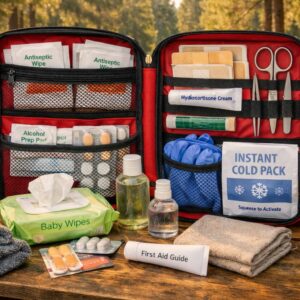
Your essential camping first aid kit should include a space blanket specifically for wet-weather warmth emergencies — light, compact, and genuinely important in cold rain conditions.
IMPORTANT
The danger zone is mild, not freezing. Most cold-weather incidents in camping happen at temperatures people do not take seriously — cool and drizzly rather than bitter and snowy. Wet plus wind at 10°C is a genuine risk. Never dismiss rain as just uncomfortable.
Choosing the Right Campsite for Wet Weather
Rain camping gear starts with your brain, not your pack. The single most impactful decision you can make for a comfortable wet weather camping trip is where you pitch your tent. Get this right and everything else becomes easier. Get it wrong and no amount of expensive gear makes up for it.
Elevation, Drainage, and Natural Shelter: What to Look For
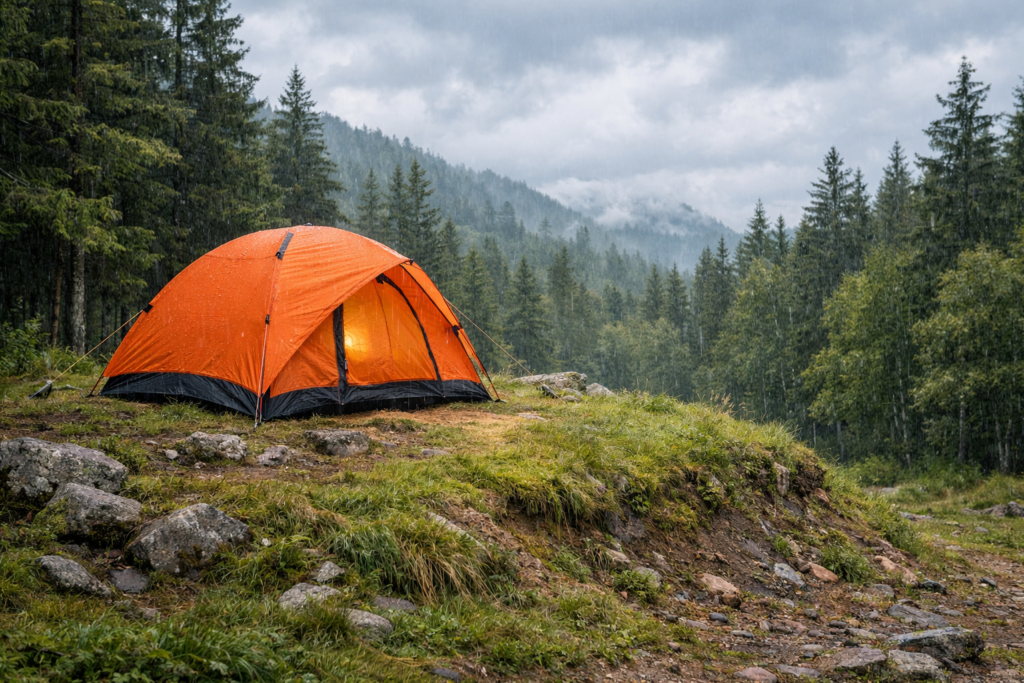
The first rule of wet weather campsite selection: find elevated ground. Rain water runs downhill and collects in low points, hollows, and valleys. A pitch that looks fine on a dry day can become a shallow lake by morning after heavy rain. Even a gentle slope is enough — you want water to drain away from your tent, not pool underneath it.
Natural overhead shelter from tree canopies reduces the amount of rain hitting your tent directly and keeps the ground drier. Dense canopy cover is genuinely useful. The exception: do not pitch directly under a single isolated tree in an electrical storm. Tall isolated trees are lightning conductors.
- Look for gentle slope — enough for drainage, not so steep that you slide in your sleeping bag
- Choose a site with an existing layer of leaf litter or grass under foot — mud is miserable and harder to keep out of the tent
- Avoid creek beds, dry riverbeds, and any low-lying valley floor — these are flood plains regardless of how dry they look on arrival
- Dense canopy is good — isolated tall trees in open ground are not
- If you can find a natural windbreak (a boulder, a gentle ridgeline, a tree line) on the upwind side of your pitch — use it
Checking the weather forecast the day before and morning of your trip gives you the information to make these decisions well. Knowing heavy rain is coming changes which campsite you choose, where you pitch within it, and how carefully you set up your tarp.
Lightning Risk in Wet Conditions: The One Rule That Matters
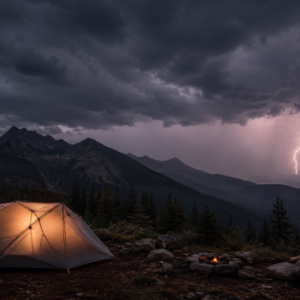
Rain and lightning often arrive together, and the campsite decisions that feel sensible in the rain — sheltering under a large tree, staying near a body of water — can become dangerous in a thunderstorm. The rule is simple: when lightning is within 6 miles (30 seconds or less between flash and thunder), seek solid shelter or your vehicle. A tent is not protection from lightning.
Our guide on how to stay safe from lightning while camping covers exactly what to do when a storm rolls in faster than expected — essential reading for any wet season camping trip.
Your Tent and Shelter Setup for Wet Weather Camping
Your shelter is what stands between you and a genuinely miserable night. The good news is that modern camping tents are excellent in the rain when set up correctly — and a few preparation steps at home make a significant difference to how well they perform.
Waterproof vs Water-Resistant: The Difference That Matters on a Rainy Night
This distinction trips up a lot of first-time rain campers. Water-resistant means the fabric will repel light drizzle for a while. Waterproof means it genuinely keeps water out, even in sustained heavy rain.
- Water-resistant tents: fine for occasional light showers, not suitable for sustained rain
- Waterproof tents: look for a hydrostatic head rating of 2000mm or above — this is the minimum for rain you can trust
- Seams matter as much as the fabric: a waterproof tent with unsealed or poorly sealed seams will still let water in at the stitching
- Rainfly extension: the rainfly should extend well past the tent edges, ideally creating a vestibule — a covered porch area where you can store wet gear and muddy boots without bringing them inside
The vestibule is one of the most underappreciated features in wet weather camping. A large vestibule means your wet jacket, muddy boots, and damp gear all stay outside the sleeping area. Your dry zone stays dry.
Seam Sealing: The Step Most Campers Skip
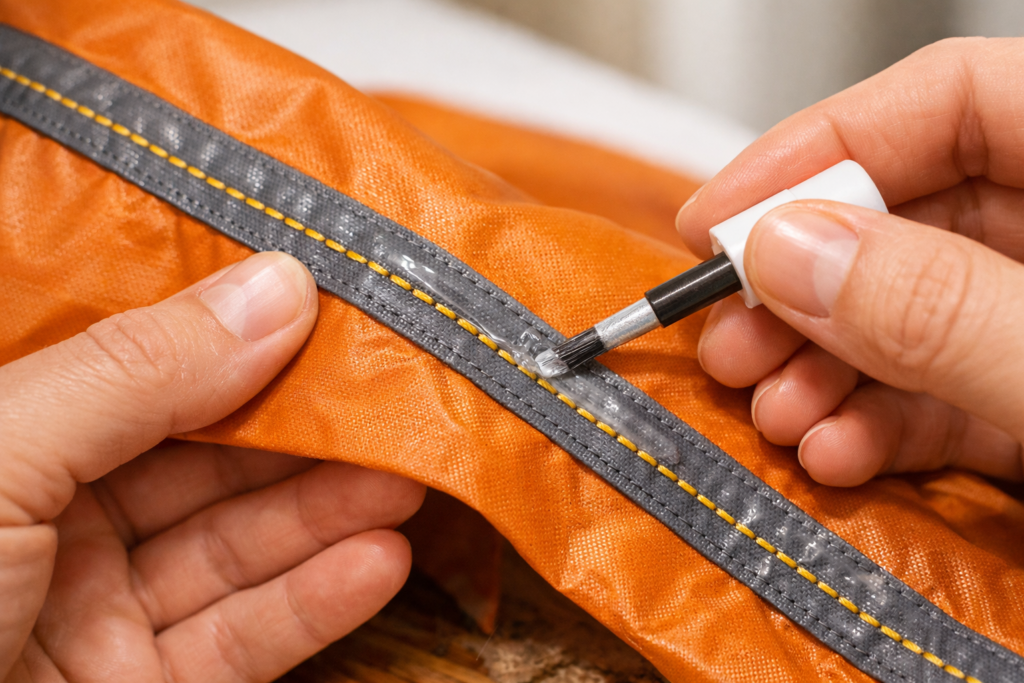
Here is a wet weather camping tip that most beginners never hear: even a tent marketed as waterproof may need its seams sealed before its first real rain use. Tent fabric can be waterproof but the stitching that holds it together creates needle holes — and water finds needle holes.
Seam sealing is a simple process. Apply seam sealer (available at any outdoor retailer, costs very little) along the inside seam stitching of your tent and rainfly. Let it dry fully. This process takes about 20 minutes and should ideally be done at home before your first rainy camping trip.
- Check your tent specifications — some tents come factory seam-taped (these are sealed), some come seam-sealed (also fine), some need sealing yourself
- Apply seam sealer to the inside of the tent at every visible stitch line
- Reapply every one to two seasons, or after any trip where the tent was under sustained heavy rain
PRO TIP
Set up your tent in the garden and run a hose over it before your first rainy trip. Any leaks become immediately obvious in the safety of home rather than at midnight in a field. Patch any problem areas with seam sealer and let it cure fully before packing.
Footprint Sizing in the Rain: Why This Matters
A tent footprint — the groundsheet that sits between your tent floor and the ground — protects the tent base from moisture, abrasion, and punctures. In wet weather it is genuinely important. But the size needs to be right.
A footprint that is too large extends beyond the tent edges. In rain, this means water rolling off the rainfly hits the footprint and is directed under the tent floor rather than away from it. The footprint should be slightly smaller than the tent floor — just inside the drip line of the rainfly.
- Cut or fold your footprint to size if needed — slightly inside the tent perimeter is always right
- Never let the footprint extend beyond the tent’s edge in wet conditions
- A simple tarp cut to size works as well as a branded footprint at a fraction of the cost
The Tarp: Your Most Underrated Wet Weather Camping Asset
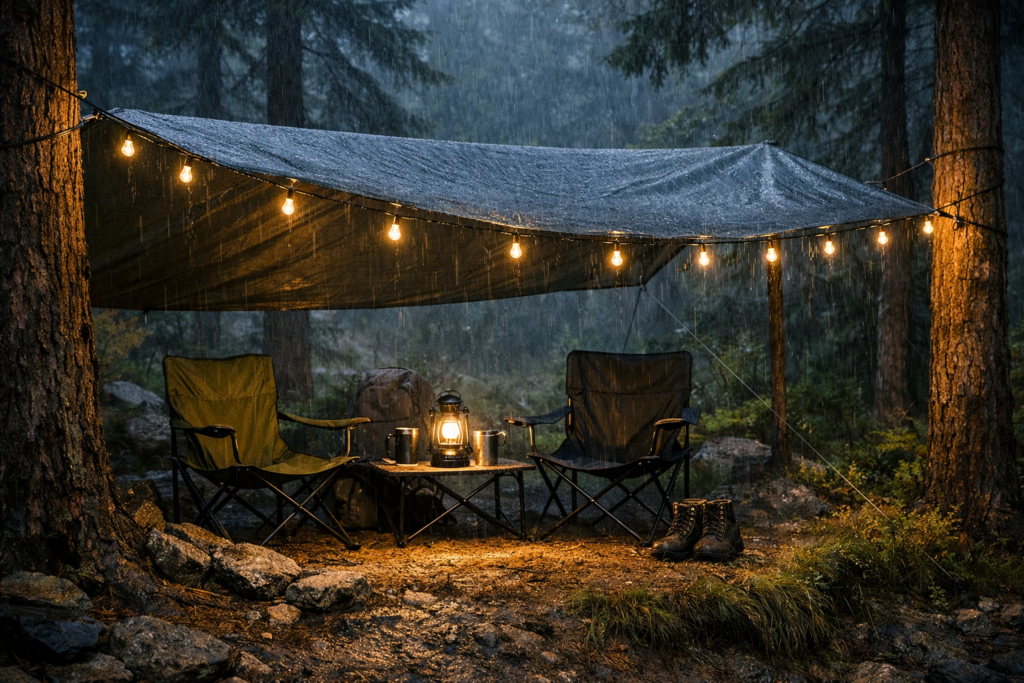
If there is one piece of wet weather gear that most guides undervalue and most campers underspend on, it is a good silnylon or lightweight tarp. A tarp rigged over your campsite entrance or cooking area transforms your wet weather camping experience completely.
Here is what a well-positioned tarp gives you: a dry outdoor cooking space, somewhere to take off wet clothing before entering the tent, a covered social area so the whole group is not tent-bound in heavy rain, and a place to hang wet gear to dry. Without a tarp, heavy rain essentially forces you inside your tent for the duration. With one, camp life continues fairly normally.
- A 3m x 3m or 4m x 3m tarp covers a cooking area and social space for 2-4 people
- Pitch at an angle — one edge higher than the other — so water runs off efficiently rather than pooling
- Attach with guy lines to trees and trekking poles — you do not need a dedicated frame
- Silnylon or silpoly tarps are lighter and pack smaller than polyester options
The outdoor living room effect is real. String a few LED lights under your tarp, bring out the camp chairs, put the stove on — and you have a perfectly functional outdoor space even in sustained rain.
Tent Ventilation and Condensation: The Indoor Rain Problem
Here is something that surprises first-time rain campers: you can wake up to a damp sleeping bag and wet gear inside a perfectly waterproof tent. The culprit is condensation, not leaks. When warm moist air from your breathing meets the cold tent walls, it condenses into water droplets on the inner surface. On a rainy night when you have all the vents closed to keep rain out, this builds up significantly.
- Keep at least one vent partially open even in heavy rain — position it on the leeward side so rain does not blow directly in
- Open mesh inner panels if your tent has them — airflow through the inner while the rainfly keeps rain out is the ideal setup
- Do not breathe into your sleeping bag — exhaling into down insulation makes it wet from the inside
- In the morning, wipe down the inner tent surface with a small cloth before packing — reduces moisture in your pack
Rain Camping Clothing: Layering for Wet and Cold Conditions
What you wear on a camping in the rain trip matters more than almost any other gear decision. The right clothing system keeps you warm, mobile, and comfortable through wet conditions. The wrong clothing — particularly cotton — can make a mild, drizzly day dangerous.
The No-Cotton Rule and Why It Matters So Much
Cotton is a perfectly comfortable fabric in dry conditions. In the rain, it becomes a liability. Cotton absorbs water readily, holds it against your skin, and loses virtually all its insulating properties when wet. A soaked cotton t-shirt on a 12°C drizzly day actively pulls heat away from your body.
The alternatives are simple and widely available: synthetic fabrics like polyester and nylon wick moisture away from your skin and dry quickly. Merino wool keeps you warm even when wet, resists odor over multi-day trips, and feels comfortable directly against skin. Either of these is an upgrade over cotton in any rain camping situation.
Base Layer, Mid Layer, and Waterproof Shell: The Three-Layer System
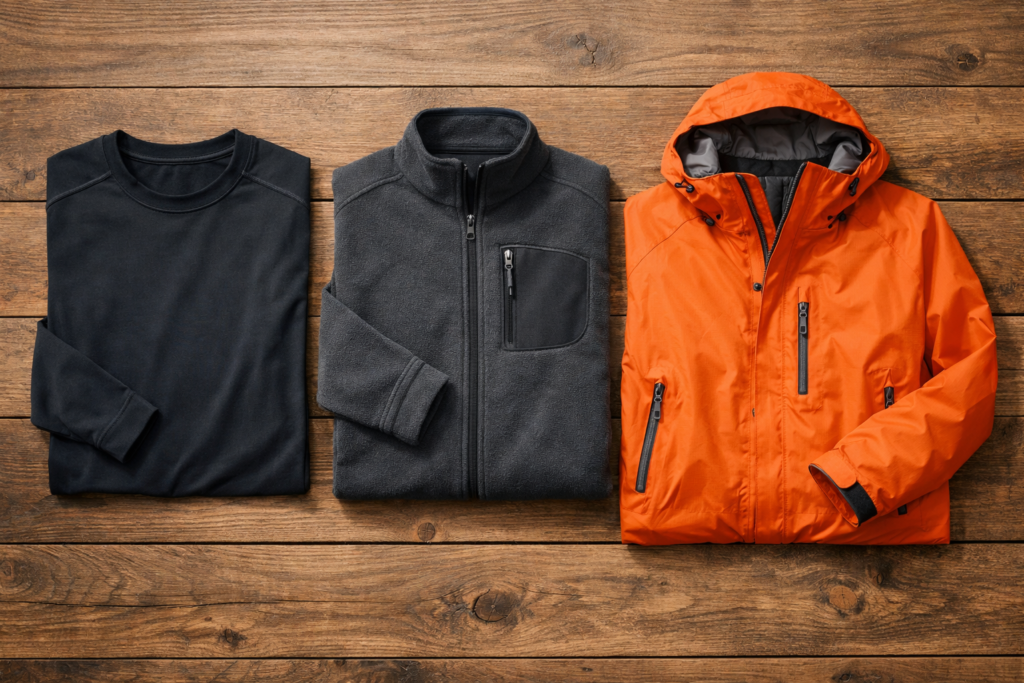
The layering system is the most important clothing concept for wet weather camping. Rather than one heavy garment, you wear three lighter layers that you can add and remove as your activity level and the weather change.
- Base layer (next to skin): Moisture-wicking synthetic or merino wool. Pulls sweat away from your skin. Never cotton. This is your warmth foundation.
- Mid layer (insulating): Fleece or light down jacket. Traps body heat. Remove it while hiking uphill (when you generate heat), put it back on immediately when you stop.
- Outer layer (waterproof shell): A genuine waterproof and windproof jacket — look for a hydrostatic head rating of 10,000mm or above for reliable rain protection. Breathability matters too — even the best waterproof jackets trap sweat, so get the most breathable option your budget allows.
Make sure your waterproof jacket is sized to fit comfortably over both a base layer and a mid layer with room to move. A jacket that only fits over a t-shirt is not useful in cold, wet conditions.
Camp clothing is separate from hiking clothing. Always pack a complete set of dry base layers, warm socks, and a warm hat in a waterproof bag — exclusively for wearing at camp and sleeping. Never wear your dry camp clothes for any wet activity.
Waterproof Footwear vs Non-Waterproof: The Honest Trade-Off
Waterproof hiking boots keep your feet dry in wet conditions and are warmer and more comfortable in cool rain. The trade-off: they breathe less well and take a long time to dry once they do get wet — which eventually happens in sustained rain when water comes over the boot top.
Non-waterproof trail shoes in rain are initially wetter but dry much faster. If you wear wool or synthetic hiking socks and keep moving, your feet stay warmer than you might expect even when the shoes are wet.
- Cool season and shorter trips: waterproof boots are usually the better choice
- Warm season and multi-day trips: non-waterproof shoes with wool socks dry faster and cause fewer problems long-term
- Always bring an extra pair of thick wool or synthetic socks — keeping one pair dry and reserved for camp makes an enormous difference to evening comfort
Keeping Your Pack Dry: Pack Liner vs Rain Cover
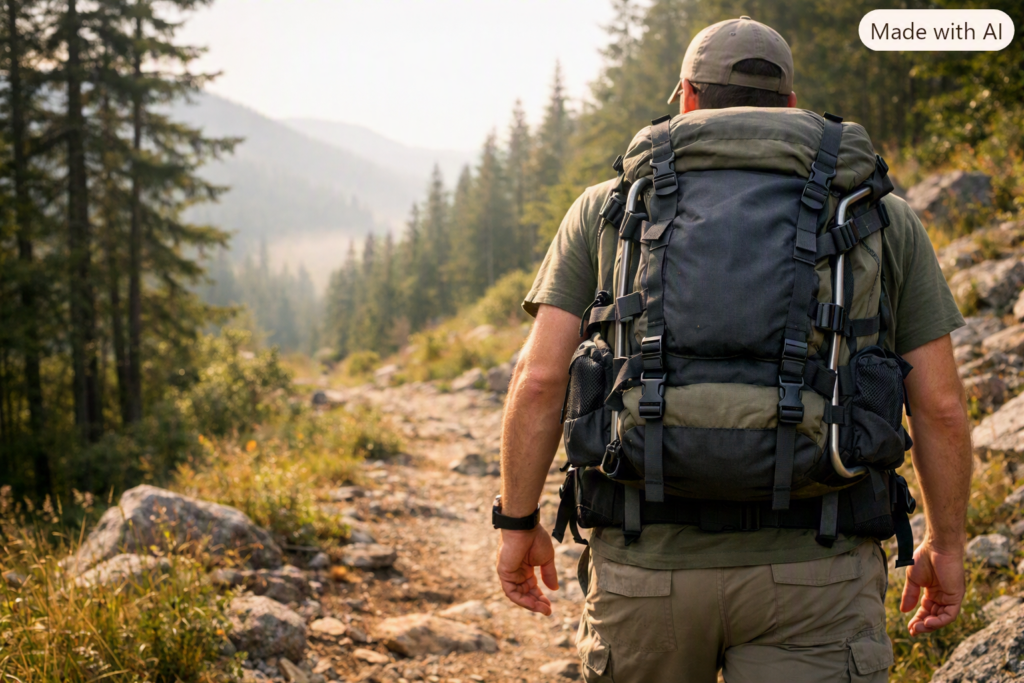
Most backpacks are not waterproof, and a rain cover placed over the outside of a pack can blow off in wind or miss the back panel area that presses against you. The more reliable solution — popular in outdoor forums and recommended across trail communities — is a pack liner.
A pack liner is a heavy-duty waterproof bag (or even a large trash compactor bag) placed inside your pack, lining it completely. Everything goes inside the liner. Even if your pack exterior gets completely soaked, everything inside stays dry. It is simpler, more reliable, and significantly cheaper than a branded rain cover.
- Pack liner: Complete waterproof protection from inside the pack. Cannot blow off. Covers the back panel too. Trash compactor bags cost almost nothing and work well for 3-5 trips.
- Rain cover: Easier to use, purpose-designed, but can blow off in strong wind and misses the back panel where your back sweats.
- For day hikes in light rain: rain cover is fine. For multi-day wet trips: pack liner is the reliable choice.
Managing Your Sleeping System in the Rain
Your sleeping bag is the most important piece of rain camping gear in terms of consequences if it gets wet. A soaked sleeping bag provides almost no insulation and is very difficult to dry in the field. Protecting it is a priority from the moment you arrive at camp.
Keeping Your Sleeping Bag Dry: The Non-Negotiable
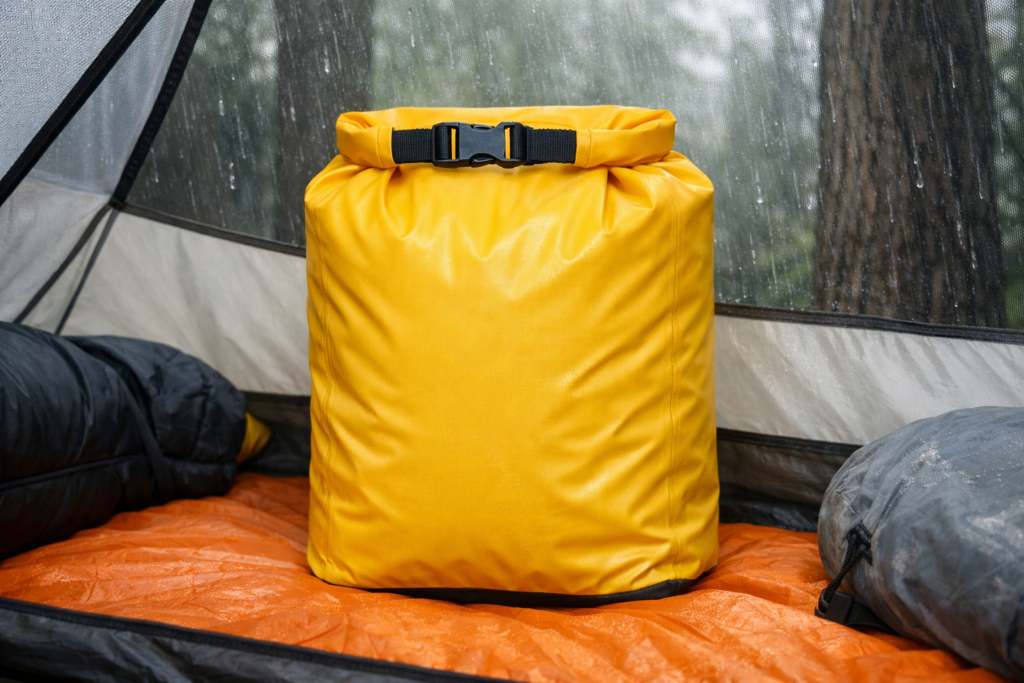
- Always store your sleeping bag in a waterproof dry bag inside your pack — not in the pack’s main compartment unprotected
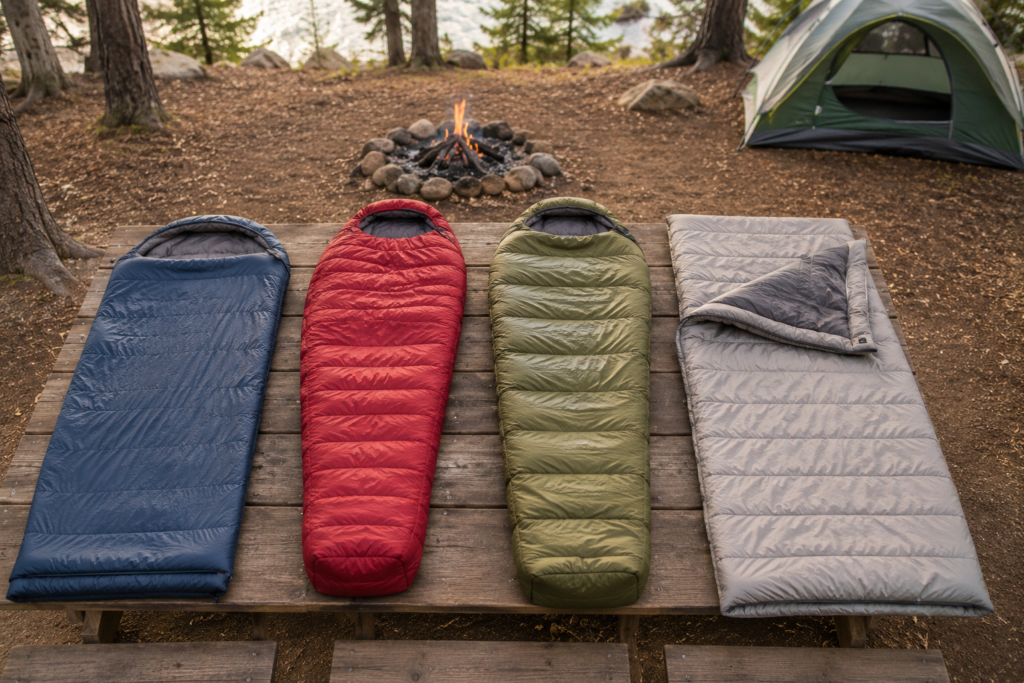
- Use a down sleeping bag with caution in sustained wet conditions — down loses almost all insulating ability when wet. A synthetic sleeping bag retains warmth even when damp.
- At camp, keep your sleeping bag inside the tent at all times — never leave it in a vestibule or under a tarp where it can absorb ambient moisture
- If condensation has made the inner tent walls wet, shake them dry before unrolling your sleeping bag each evening
Getting the inside of your tent organised and cosy matters even more on a rainy trip — our guide to creating a comfortable tent interior covers the small touches that turn a damp evening into a genuinely pleasant one.
If wet conditions are likely, your sleeping bag choice matters more than usual — our best camping sleeping bags guide explains when to choose synthetic over down and what moisture does to each insulation type overnight.
The Overnight Wet Clothes Trick
Here is a practical tip that experienced wet weather campers swear by: if you have wet or slightly damp clothing that you need dry by morning, stuff it into your sleeping bag with you when you go to sleep. Your body heat will dry the items overnight. By morning, clothes that felt uncomfortably damp the night before are warm and fully dry.
This works best with base layers, socks, and thermal underlayers — the items that sit close to your skin and matter most for next-day comfort. It does not work well with heavily saturated outer layers — those need a clothesline and air time.
BONUS TIP
Pack a small lightweight clothesline and a few clothes pegs. String it inside your tent (most tents have small attachment loops for exactly this) or under your tarp during the day. Wet base layers hung in the vestibule overnight dry much faster than gear left balled up in a corner.
Preheat Tomorrow’s Clothes Tonight
Another simple trick that makes cold, wet mornings significantly more bearable: the evening before, pack your next day’s base layer and socks into a small breathable bag and tuck it into your sleeping bag. Your body heat warms them overnight. Waking up to warm, dry clothes already at body temperature instead of cold damp gear dramatically improves morning morale.
This is particularly useful when camping with children — a warm set of clothes waiting inside their sleeping bag makes the morning routine considerably easier.
Cooking and Eating Well When It Is Pouring
Cooking in the rain feels harder than it is. With a sensible setup, it is perfectly manageable — and a hot meal on a wet camping day does more for morale than almost anything else.
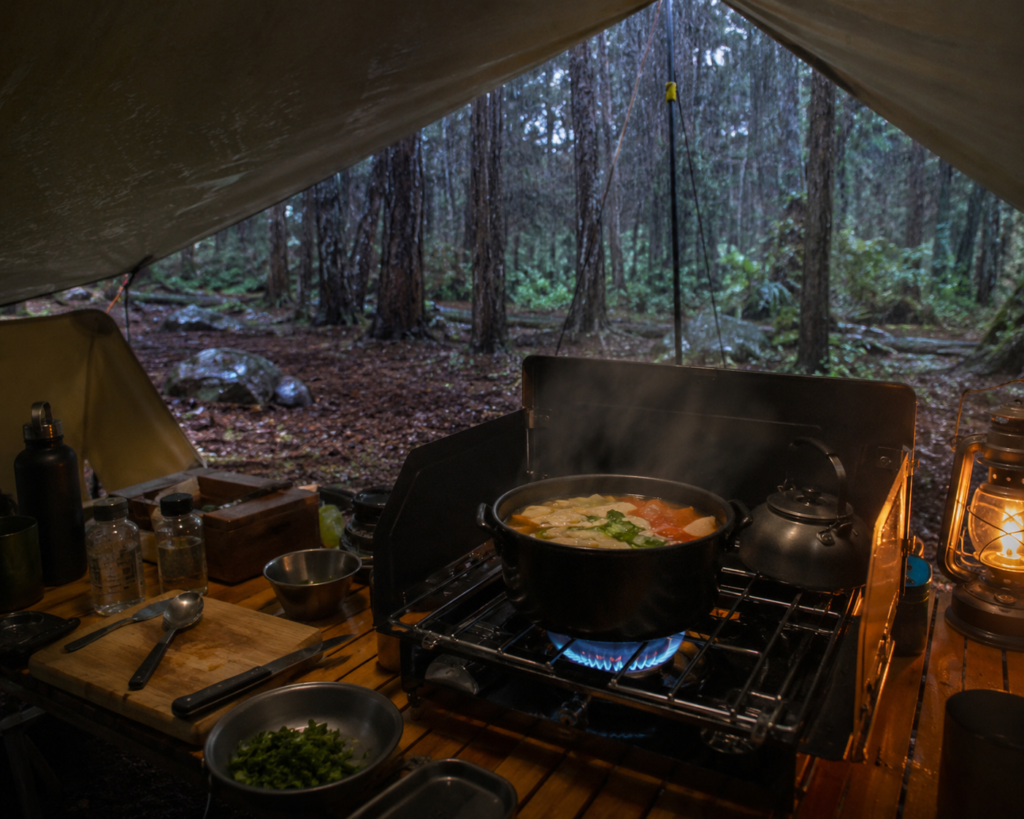
Setting Up a Dry Cooking Area
The tarp comes into its own here. A tarp rigged over your cooking area — even a simple lean-to arrangement from a tarp corner tied to a tree — gives you a dry, wind-sheltered space to work in. Place your camp stove on a flat, stable surface under the tarp. Position it away from the tarp edge where wind-driven rain can reach it.
- Never cook inside your tent — carbon monoxide from stoves and fuel burners is odourless and accumulates rapidly in enclosed spaces
- Use a windshield around your stove — rain and wind significantly reduce stove efficiency, and a simple folding windscreen dramatically improves fuel efficiency and cooking time
- Boil first, eat second — in cold rain, warming up with a hot drink before starting meal preparation makes the whole process more pleasant
- Clean up promptly — wet conditions make food scraps particularly attractive to wildlife. Keep a clean camp.
Wet Weather Meal Planning
This is not the time for elaborate meals. Rain camping food should be easy, fast, comforting, and hot.
- One-pot meals: Pasta, rice dishes, canned chilli, instant noodles — minimal prep, maximum comfort, one item to wash up
- Soups and warm drinks: The single most morale-boosting food category in cold, wet conditions. Hot soup, hot chocolate, tea, or coffee — something warm in your hands and stomach changes everything
- No-cook options for day one: When you arrive tired and wet in the rain, a meal that requires zero cooking is a gift to your future self
- Sealed containers: All food goes in waterproof containers or sealed zip-lock bags. Nothing is more demoralising than reaching for your cooking supplies and finding them soggy.
For a full breakdown of no-cook options that work brilliantly on wet days, our ready-to-eat camping food guide covers everything worth packing.
Making the Most of a Rainy Camping Day
Wet weather camping can be genuinely enjoyable rather than merely tolerable. It takes a small shift in approach — away from waiting for the rain to stop and toward working with the conditions you have.
Create an Outdoor Living Room Under Your Tarp
This is the move that separates campers who enjoy rainy trips from those who endure them. Instead of retreating to individual tents the moment rain starts, use your tarp to create a covered communal space.
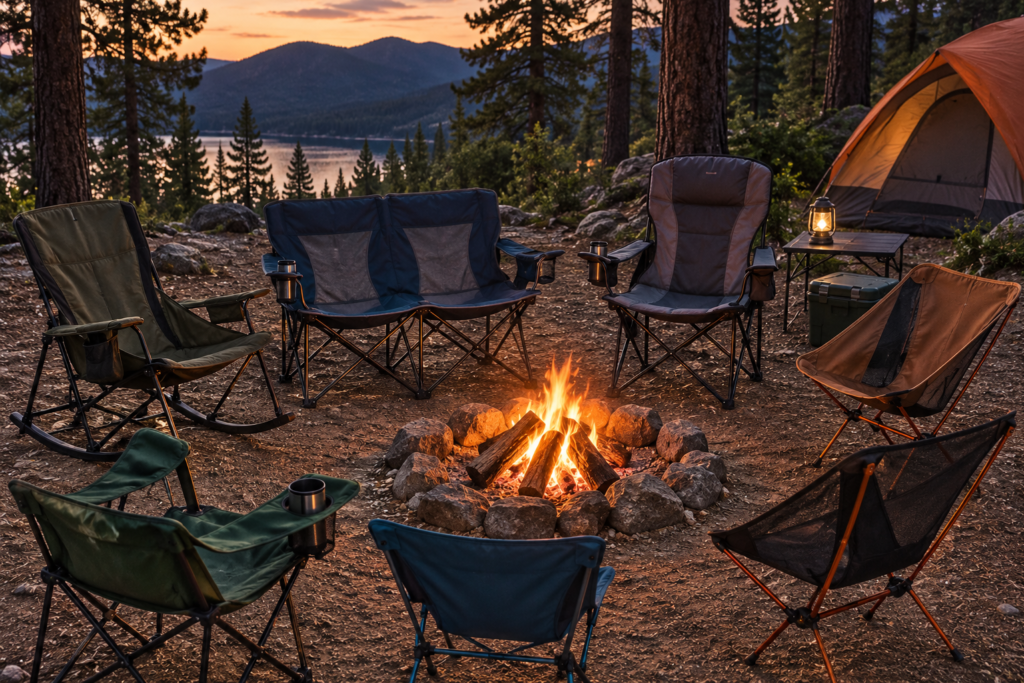
Rig the tarp generously over your main seating area. Put the camp chairs underneath it. Set up your lantern. If you have LED string lights, drape them around the edge of the tarp. Put something on to eat or drink. The result is a genuinely pleasant outdoor space that you can sit in comfortably even during sustained rain — and suddenly the rain becomes ambience rather than an interruption.
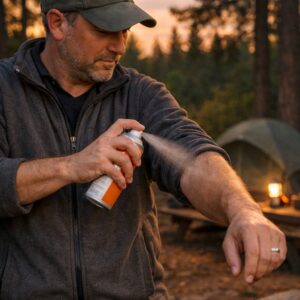
One thing worth knowing on wet days: insect activity often increases in humid conditions. Our guide to keeping mosquitoes away while camping is useful reading before any wet season camping trip.
Activities for Tent-Bound Days
When the rain is really coming down and staying under the tarp or inside the tent is genuinely the right call, that time does not have to be wasted. Some of the best camping conversations happen around a camp lantern while rain drums on a tent roof.
- Card games and travel board games — a small pack of cards weighs nothing and keeps a group entertained for hours
- Books and audiobooks — a rainy afternoon is a gift for anyone who wants uninterrupted reading time
- Trip planning and maps — work out the next day’s route, identify water sources, plan what you want to see
- Journaling — rainy days slow things down in a way that makes for surprisingly good writing
- Napping — genuinely one of the great pleasures of camping, and guilt-free when the weather makes everything else impractical
If you are camping with children, our camping with kids guide has plenty of ideas for keeping little ones entertained when the tent becomes your world for a few hours.
Rainy days with very young children at camp need their own strategy — our camping with toddlers guide has a dedicated section on handling wet afternoons, tent boredom, and keeping under-5s comfortable when the weather turns.
Getting Outside in the Rain: Why You Should
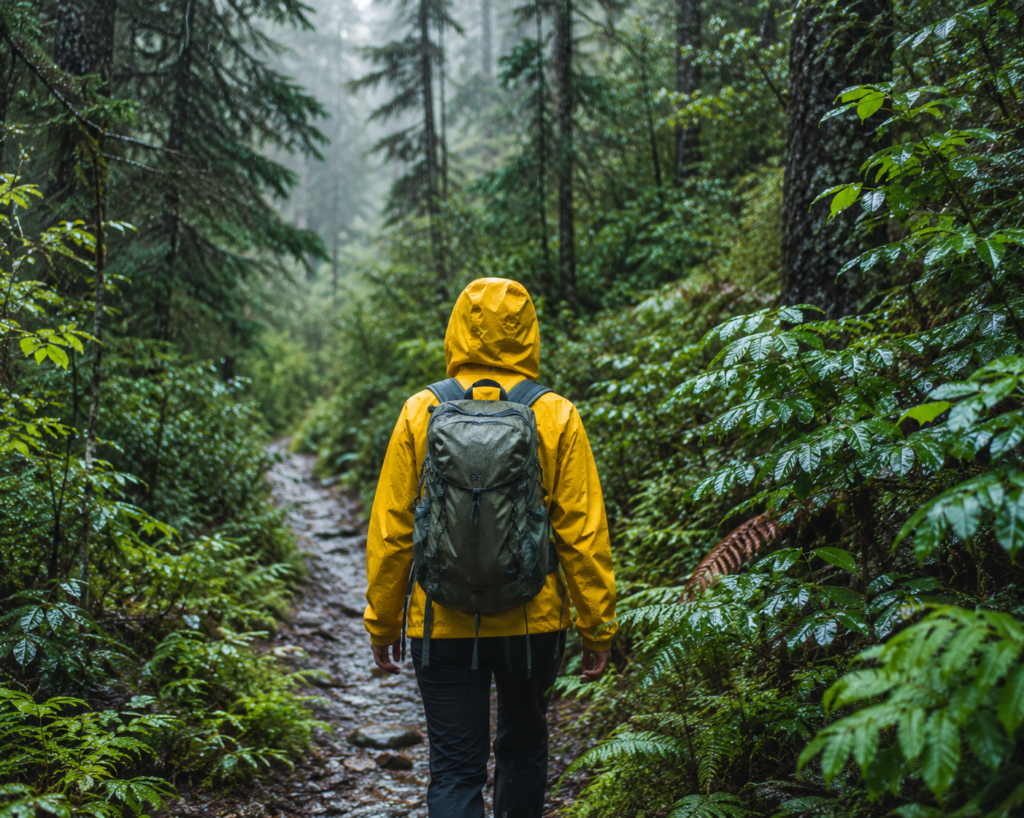
If the rain is light to moderate and you have the right gear on, going outside is almost always worth it. Rain changes how the natural world looks and feels in ways that genuinely are beautiful. Forests become vivid green and smell extraordinary. Trails empty out. Waterfalls run full. Puddles and streams appear in unexpected places.
The campers who look back on rainy trips most fondly are usually the ones who put their rain jacket on and went for a walk rather than staying in the tent. You get wet. That is fine. You dry out. And you come back with something to talk about.
For a full list of ideas for what to do when the weather closes in, our outdoor camping activities guide has a dedicated rainy day section with both indoor and outdoor options.
Frequently Asked Questions About Wet Weather Camping
How do I keep my sleeping bag dry when camping in the rain?
Always store your sleeping bag in a waterproof dry bag inside your pack — not loose in the main compartment. At camp, keep it inside the tent and away from walls where condensation collects. If your tent develops condensation, wipe the inner walls before unrolling your bag each evening. Choose a synthetic sleeping bag for rainy conditions — it retains warmth even when damp, unlike down which loses almost all insulating ability when wet.
What should I wear camping in the rain?
The layering system: a moisture-wicking synthetic or merino wool base layer next to your skin, an insulating fleece or down mid layer for warmth, and a properly waterproof outer shell jacket with a hydrostatic head rating of at least 10,000mm. Avoid cotton in any layer — it absorbs water and loses insulating ability when wet. Pack a complete set of dry spare base layers and socks in a waterproof bag and reserve them exclusively for camp and sleep.
Is camping in the rain dangerous?
It can be, if you are unprepared. The main risk is hypothermia — which is more likely in mild, wet, windy conditions than in extreme cold, because people underestimate it. Wet clothing draws heat away from your body significantly faster than dry clothing. The prevention is simple: stay as dry as possible, change into dry clothes when you stop being active, and have an emergency space blanket accessible. Lightning is the other serious risk — seek hard shelter or your vehicle if a storm develops.
How do I stop condensation inside my tent?
Condensation forms when warm moist air from your breathing meets the cold tent wall. The fix is ventilation. Keep at least one tent vent partially open even in heavy rain — position it on the sheltered side so rain does not blow directly in. Open inner mesh panels if your tent has them. Do not exhale into your sleeping bag. In the morning, wipe down inner tent walls before packing to reduce how much moisture travels with your kit to the next site.
Can I cook in my tent when it is raining?
No — never cook inside a tent. Camp stoves and fuel burners produce carbon monoxide, which is odourless and accumulates rapidly in enclosed spaces. Even with vents open, a tent is not adequately ventilated for cooking. Set up a tarp over your cooking area instead — a simple lean-to arrangement works well and gives you a dry, wind-sheltered cooking space without any safety risk.
Wet Weather Camping Is What You Make It: Your Pre-Trip Action Plan
The best wet weather camping trips happen when the preparation happens before the rain starts — not after. Here is a quick action plan for your next trip:
- Check the tent seams before leaving home — seal any that need it
- Pack your sleeping bag in a waterproof dry bag — always
- Sort a pack liner or dedicated waterproof bags for electronics and spare clothes
- Bring a tarp — at minimum a 3x3m lightweight silnylon tarp rigged with guy lines
- Pack a complete dry spare set of base layers and socks in a separate waterproof bag
- Plan at least two no-cook meal options for the first and last day
- Check the weather forecast the morning you leave and calibrate your campsite choice accordingly
Do all that and a rainy camping trip stops being something to dread and becomes something you are genuinely ready for. The rain will come eventually on any camping trip long enough. The people who enjoy it are the ones who planned for it.