Easy Camp Cooking for Beginners: Recipes, Hacks, and Everything You Need to Know
-
| Founder & Content Creator

Latest Posts
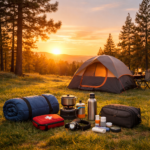
There is a moment that almost every first-time camper experiences. You arrive at the campsite, hungry after the drive, and realise you have no real plan for dinner. You have snacks. You have a stove. You have a pot. But actually cooking something — real food, outdoors, after a tiring day — suddenly feels like it requires skills you were not told you needed.
Here is the good news: easy camp cooking for beginners is genuinely straightforward once you understand a few basic principles. You do not need chef skills. You do not need expensive gear. You need a handful of versatile ingredients, a reliable stove, and a few recipes that work consistently in the outdoors. This guide gives you all of those.
We cover camp cooking gear, the main cooking methods, actual recipes for breakfast, lunch, and dinner, food safety basics, and some hacks from campers who have made every mistake so you do not have to.
Camp cooking is one of the best parts of any camping trip — and it starts with good overall preparation. Our complete camping checklist for new campers covers the full kit including stove, cookware, and utensils so you arrive ready to cook.
Not sure which stove to pair with these recipes? Our best compact camping stoves buyer’s guide covers every stove type from budget ultralight to all-weather canister stoves, with honest recommendations for every cooking style.
Why Camp Cooking Is Easier Than You Think
The version of camp cooking most beginners imagine — struggling over a temperamental stove, burning things, eating something disappointing while cold — is almost always a result of poor planning, not poor skill. The version that actually happens when you prepare properly is one of the genuine highlights of any camping trip.
Food tastes different outdoors. This is not a romantic exaggeration — it is a real physiological response to fresh air, physical activity, and the novelty of your environment. A simple pasta dish cooked on a camp stove tastes noticeably better than the same dish at home. A breakfast scramble eaten at a campsite at 7am with mist still on the ground is one of those small memories that stays with you.
Everything in this guide is designed around one principle: minimum effort, maximum enjoyment. You are on a camping trip. You do not need to prove anything with your cooking. You just need food that is hot, filling, and satisfying — and that leaves enough time and energy for the rest of the adventure.
Choosing the Right Camp Cooking Gear for Your Camping Style
Beginner camp cooking tips always start with gear — because the right equipment for your camping style makes everything easier, and the wrong gear creates problems before you have even started cooking.
Car Camping: Your Full Kitchen at the Campsite
Car camping gives you the luxury of not having to count grams or cubic centimeters. You can bring a two-burner camp stove, a medium-sized pot and frying pan, a decent set of utensils, a cutting board, and a cool box for fresh ingredients — and genuinely cook almost anything.
- A two-burner camp stove lets you cook two things at once — one pan for the main, one for a side or sauce
- Cast iron skillet for car camping: heavy but worth every gram. Holds heat evenly, does not burn spots, and goes directly over campfire coals as well as a stove. A 10-inch Lodge cast iron pan is one of the most versatile pieces of camp cooking kit available.
- Dutch oven: the secret weapon of car camping. Slow cooks stews, bakes bread, makes campfire desserts. Heavier than most gear but produces food that is impossible to achieve with lighter equipment.
- Cool box or camp fridge: opens up fresh vegetables, eggs, meat, and dairy for the first few days
For car camping, treat your cookware as a genuine investment. A good set of camp cooking kit lasts years and the difference in meal quality between adequate and quality equipment is significant.
Backpacking: Light, Fast, and Still Delicious
Backpacking cooking is a different discipline entirely — every gram matters and your cooking system needs to be as light and compact as possible. The good news is that the constraints actually encourage creativity, and some genuinely excellent meals come from ultralight setups.
- Single-burner canister stove (MSR PocketRocket, Soto Windmaster): the most popular choice for backpackers. Lightweight, fast to boil, and connects directly to a standard isobutane canister.
- Titanium or aluminium pot (500-750ml for solo, 1-1.5L for two): essential. Keep the lid — it halves boiling time and saves fuel.
- Spork or titanium spoon: the only utensil you genuinely need for most backpacking meals
- Food strategy: prioritise calorie density per gram and preparation simplicity. Couscous, instant mashed potato, ramen, and one-pot pasta all fit this perfectly.
PRO TIP:
Keep the lid on your pot while boiling. It cuts boiling time significantly and saves a surprising amount of fuel over a multi-day trip. For backpackers, where every fuel canister counts, this habit alone extends your cooking range meaningfully.
The Essential Camp Cooking Kit for Beginners
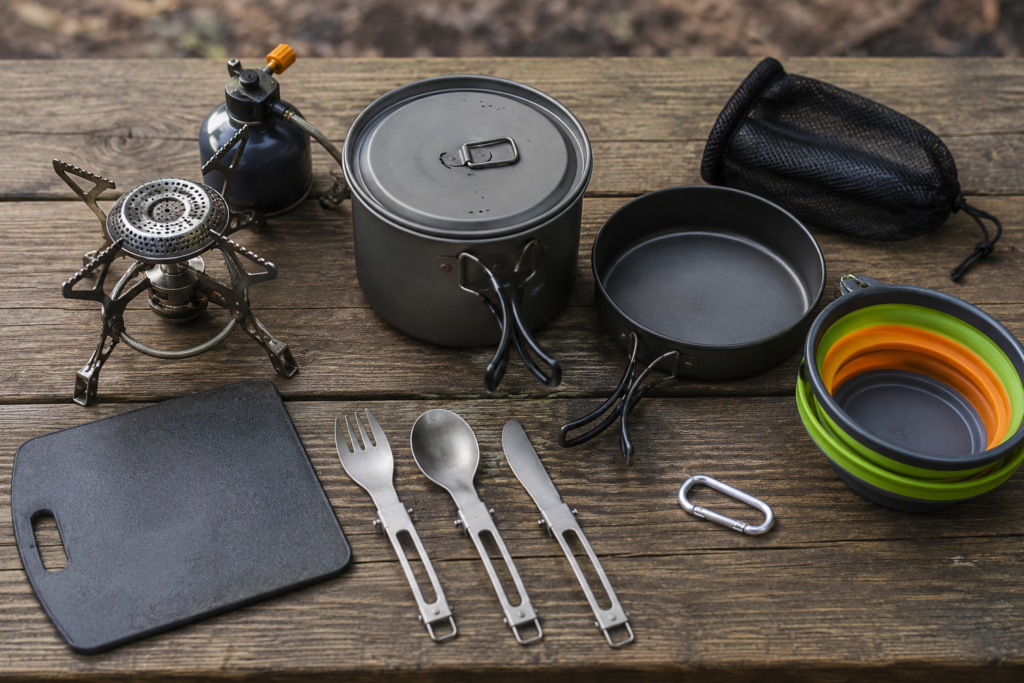
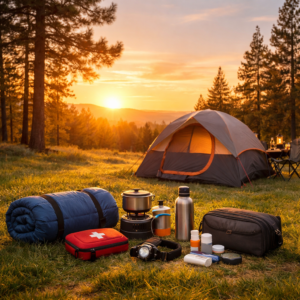
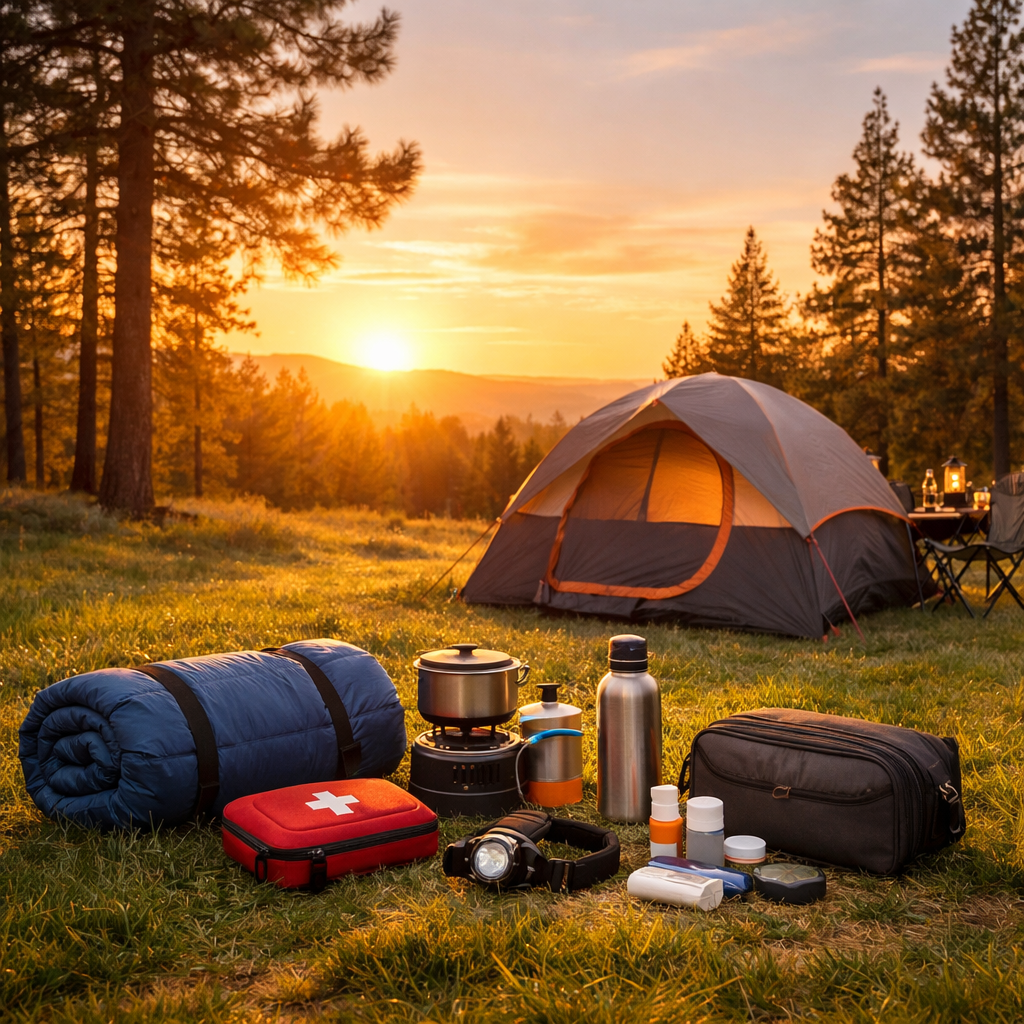
Whether you are car camping or backpacking, this is the minimum kit that covers everything a beginner needs:
- Camp stove — single burner for backpacking, two-burner for car camping
- Fuel — always bring one more canister than you think you need
- Pot with lid — 1 litre covers most solo and pair meals
- Lightweight frying pan — for eggs, pancakes, stir-fries
- Utensils — spork or spoon, spatula, small knife
- Cutting board — a small flexible one weighs nothing
- Washing up supplies — biodegradable soap, small sponge, collapsible basin
- Lighter or waterproof matches — always carry two
- Windshield — increases stove efficiency dramatically in any breeze
Camp Cooking Methods Explained: Stove, Campfire, and Foil Packet
Before cooking your first camp meal, it helps to understand the three main methods — each suits different situations, and knowing which to reach for when makes cooking outdoors feel much more natural.
Camp Stove Cooking: The Most Reliable Method
A camp stove is the most reliable, consistent, and versatile easy camp cooking tool available to beginners. It works in any weather (with a windshield), produces predictable heat, and lets you boil, simmer, fry, and sauté just as you would on a kitchen hob.
- Most camp stoves connect to small isobutane-propane canisters — easy to find at outdoor retailers before any trip
- Light the stove with a lighter or matches before turning the gas on — follow the stove’s specific instructions
- Simmer settings are useful — do not just cook everything on full heat. Most camp stove recipes work better on medium
- Wind dramatically reduces stove efficiency — always use a windshield, or position the stove in a sheltered spot
Campfire Cooking: Slower, More Rewarding
Campfire cooking takes more time and more skill than stove cooking — but it is also more satisfying and produces flavours that a stove simply cannot replicate. Smoked vegetables, charred sausages, crispy foil packets — these are the flavours most people associate with camping at its best.
- Check campfire regulations before cooking on an open fire — many sites restrict or prohibit campfires
- Let the fire burn down to hot coals before cooking — open flames char food unevenly. Glowing red-orange coals are your target.
- Cast iron cookware is ideal over a campfire — it handles direct flame and uneven heat without warping
- Use long-handled tools — tongs, spatulas, and skewers designed for campfire use keep your hands away from heat
- Expect slower cooking times than a stove — enjoy the process rather than trying to rush it
Foil Packet Cooking: The Beginner’s Best Friend
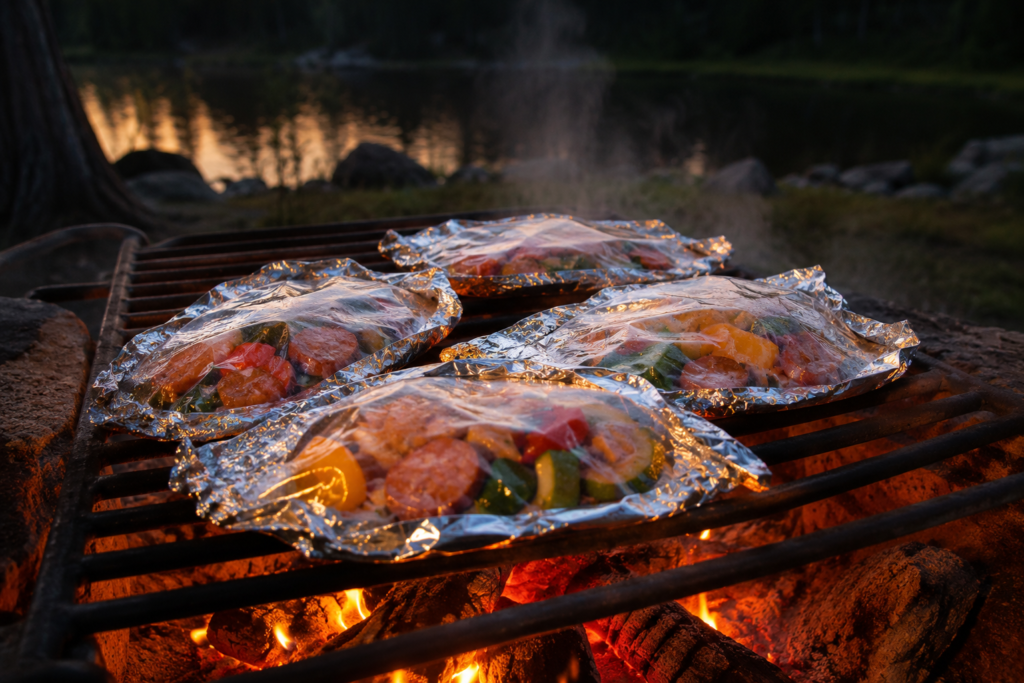
Foil packet cooking deserves its own section because it is genuinely one of the best simple camping recipes techniques available to beginners. The concept: put ingredients into a double-layered sheet of heavy-duty foil, seal the edges tightly, and place the packet on campfire coals or a camp grill. The food steams inside the packet in its own juices.
What makes foil packets so good for beginners is how forgiving they are. You cannot burn the bottom of the pot. You do not need to stir. You can prepare packets at home before the trip and simply refrigerate them until needed. And cleanup is as simple as throwing the foil in the bin.
- Use heavy-duty foil and double-wrap everything — thin foil tears and leaks
- Seal edges tightly by folding twice — steam needs to stay inside
- Most foil packets cook in 20-25 minutes on campfire coals
- Open carefully — the steam inside is very hot. Use tongs and open away from your face.
- Experiment: sausage and vegetables, potato and cheese, fish with lemon and herbs, even banana and chocolate for dessert
Meal Planning for Camp: How to Prep at Home So Cooking Is Easy Outdoors
The single most effective thing you can do to improve your camp cooking experience is prepare more at home before you leave. Every minute of prep you do in your kitchen is worth three minutes of camp cooking under difficult conditions.
The Versatile Ingredient Principle
The most useful concept in easy camp cooking for beginners is choosing ingredients that work across multiple meals rather than single-use items that take up pack space for one dish. A small bottle of olive oil can be a cooking medium, a sauce base, or a marinade. One onion works in a breakfast scramble, a pasta dinner, and a soup. Tortillas become breakfast wraps, lunch burritos, or a flatbread alongside soup at dinner.
- Olive oil: Cooking, dressing, flavouring — the most versatile ingredient in any camp kitchen
- Tortillas: Breakfast wraps, lunch burritos, flatbread with dinner soup — one pack covers multiple meals
- Canned beans: Protein source for burritos, soup, pasta, or a quick side dish
- Dried herbs and spices: One small spice kit transforms simple ingredients. Pack: salt, pepper, garlic powder, paprika, cumin, and chilli flakes
- Instant mashed potato: Add to soups to thicken them, use as a side dish, or combine with canned chilli for a fast hearty dinner
Pre-Trip Prep That Saves Time at Camp
Smart pre-camp preparation makes outdoor cooking significantly easier and faster. These are the habits that turn camp cooking from stressful to straightforward:
- Pre-cut all vegetables at home and store in sealed zip-lock bags — saves time, reduces mess, and means you only pack what you will actually use
- Pre-make spice and seasoning mixes in small bags or containers rather than bringing full jars — lighter, more compact, and you only pack the quantity you need
- For foil packet meals: assemble the entire packet at home, refrigerate it, and cook directly at camp on arrival. No camp prep needed for the first night’s dinner.
- Measure out dry ingredients for each meal into labelled bags before leaving — pour directly into the pot at camp without measuring
- For scrambled eggs: crack eggs at home and store in a sealed container or a dedicated egg carrier — far less fiddly than dealing with shells at camp
- Freeze meat and use it as an additional ice pack in your cool box — it defrosts gradually and is ready to cook by day two or three
How Much Food to Bring
A common mistake for beginner campers is misjudging how much food to pack. The general guidance: 1.5 to 2.5 lbs of food per person per day for active camping days. Someone covering 10 miles of trail will burn significantly more calories than someone relaxing at a base camp and needs to eat accordingly.
- Active hiking days: plan for 3,000-4,000 calories per adult — significantly more than your usual daily intake
- Rest or travel days: 2,000-2,500 calories is usually adequate
- Always pack one extra emergency meal per person — it weighs almost nothing and has saved many trips
- Bring food you genuinely enjoy eating — backcountry is not the time to experiment with unfamiliar flavours on a hungry stomach
- Fresh food first: eat fresh ingredients (vegetables, eggs, fruit) in the first 24-48 hours while they are at their best. Dried and shelf-stable items come later in the trip.
Not every meal needs to be cooked at camp. Our guide to ready-to-eat camping food covers everything worth packing for no-cook days — and every camping trip benefits from having a few of these in the bag.
Easy Camp Cooking Breakfasts for Beginners
Breakfast at camp is one of the most enjoyable meals of the day — the air is cool, the light is good, and after a night in a sleeping bag, food tastes extraordinary. Here are three beginner-friendly breakfast options that work every time.
Overnight Oats: Prep Tonight, Eat Tomorrow
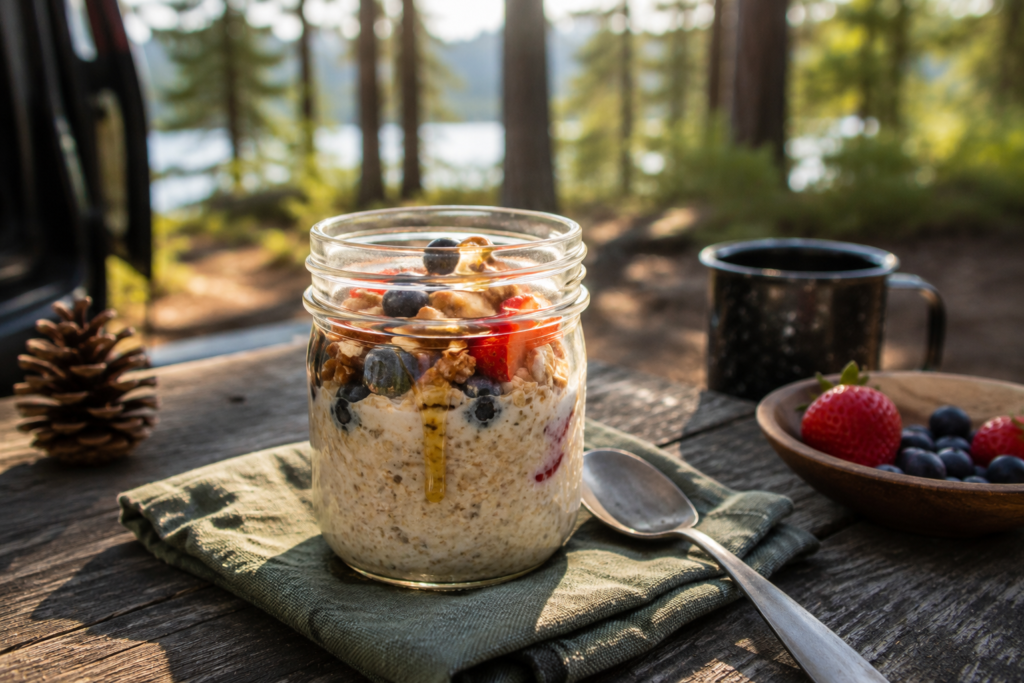
Overnight oats are the ultimate zero-effort camp breakfast. You prepare them the evening before, and they are ready to eat as soon as you wake up — no cooking, no waiting, no stove required.
How to make them:
- In a sealable container or zip-lock bag: add 60g (½ cup) rolled oats
- Add 180ml (¾ cup) of your milk of choice — dairy, oat milk, or even water works
- Add a pinch of salt and a teaspoon of honey or maple syrup
- Add any of: dried fruit, chia seeds, crushed nuts, cinnamon, vanilla extract
- Seal, shake, and refrigerate (or keep in your cool box) overnight
- In the morning: stir, add fresh toppings if you have them, eat straight from the container
If you are camping with children, make individual containers for each person the night before.
If you are cooking for a family, our camping with kids guide has additional mealtime tips for keeping everyone happy at camp.
Campfire Scrambled Eggs and Toast
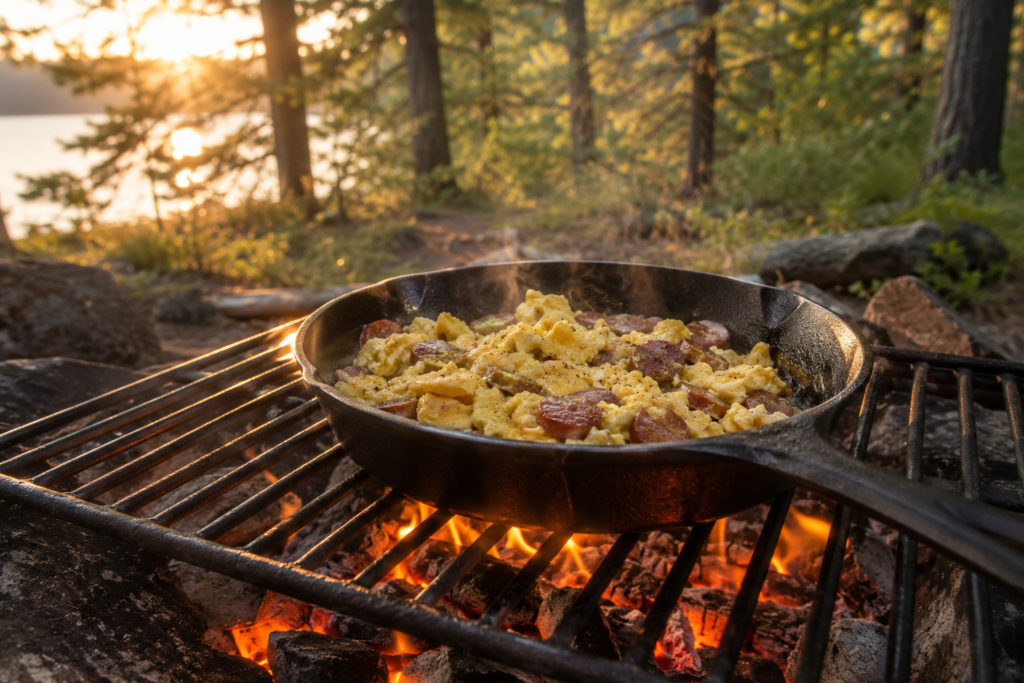
Simple, fast, and universally satisfying. This works over a camp stove or a campfire with a pan or cast iron skillet.
- Per person: 2-3 eggs, a splash of milk if available, salt and pepper, a small knob of butter
- Heat the pan on medium — melt the butter until it foams
- Whisk eggs briefly in a container (or crack directly into the pan if you are confident)
- Pour into pan and stir slowly with a spatula — resist the urge to stir constantly
- Remove from heat just before they look fully cooked — residual heat finishes them
- Serve on toast made directly on the stove using the same pan after the eggs are done
Add a pinch of smoked paprika, crumbled feta, or a slice of cured meat if you have them. Eggs are one of the most forgiving and versatile ingredients in a camp kitchen.
Pancakes on a Camp Stove
Pancakes feel ambitious but are genuinely beginner-friendly with a mix you have prepared at home. The secret is preparing a dry mix before you leave — all you add at camp is water or milk.
Pre-mix at home (for 2 people):
- 150g (1 cup) plain flour
- 1 teaspoon baking powder
- ½ teaspoon salt
- 1 tablespoon sugar
- Optional: a tablespoon of powdered milk (so you only need water at camp)
At camp:
- Add 180ml water (or milk) to the dry mix and stir until just combined — lumps are fine
- Heat a lightly oiled pan over medium heat
- Pour small rounds and cook until bubbles form on the surface — flip once
- Cook for another 60-90 seconds until cooked through
Top with jam, honey, peanut butter, or fresh fruit. Pancakes over a campfire with the morning sun coming through the trees is one of those camp moments you remember.
Easy Camp Lunches and Dinners: One-Pot and Foil Packet Recipes
One-pot cooking and foil packets are the backbone of easy camping food ideas for good reason — minimal equipment, minimal cleanup, and genuinely satisfying results. Here are the recipes that work best for beginner camp cooks.
One-Pot Pasta with Whatever You Have
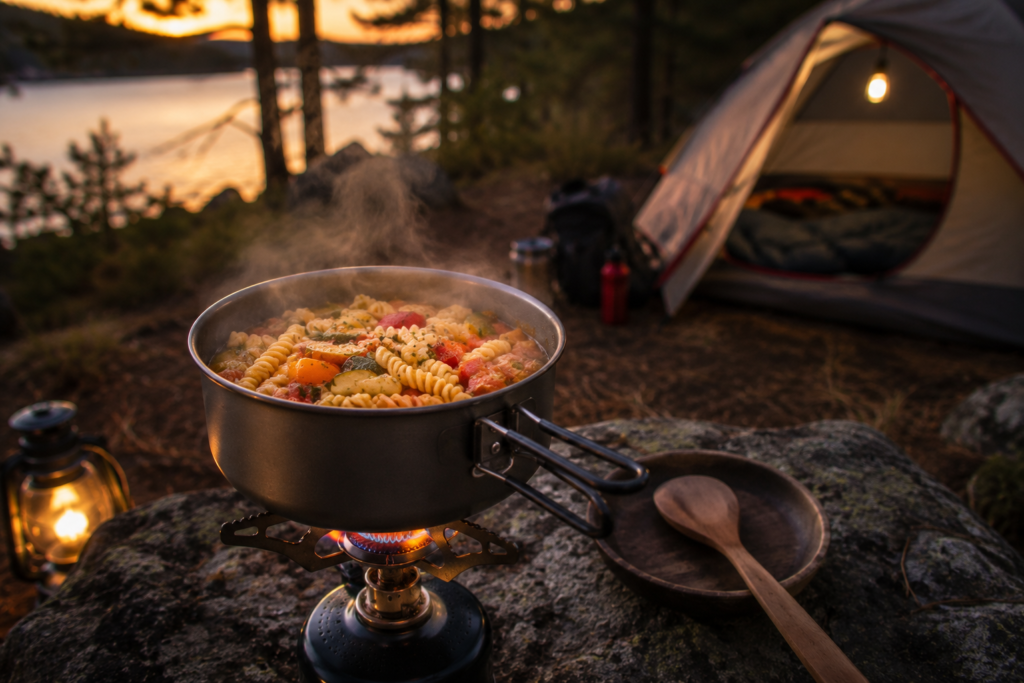
The most forgiving and adaptable camp dinner in existence. Use whatever combination of ingredients you have — the pasta and flavour base do the heavy lifting.
Ingredients (serves 2):
- 200g pasta (penne, fusilli, or any short shape)
- 1 tin of chopped tomatoes or tomato paste
- 1 tin of chickpeas, lentils, or white beans
- 1 small onion or 1 teaspoon garlic powder
- Olive oil, salt, pepper, dried herbs (oregano, basil, chilli flakes)
- Optional: canned tuna, sliced salami, or crumbled feta added at the end
Method:
- Heat olive oil in the pot, fry onion until soft if using fresh
- Add tomatoes, beans, and herbs — simmer for 3 minutes
- Add pasta and just enough water to cover (roughly 400ml)
- Simmer, stirring occasionally, until pasta is cooked and liquid absorbed — around 12-15 minutes
- Season well and eat directly from the pot to save washing up
HACK
Cook pasta in less water than you think you need. The starch released thickens the sauce naturally and means you do not have to drain anything — just stir until the liquid is absorbed. One-pan, no colander, minimal washing up. This technique works better at camp than at home.
Couscous with Vegetables and Olive Oil
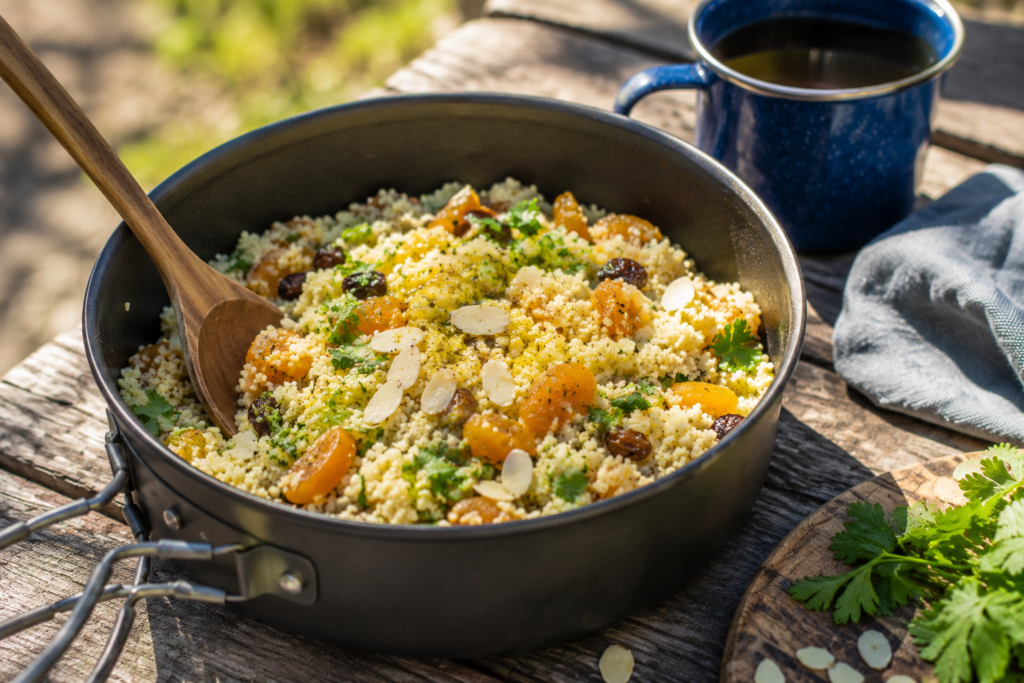
Couscous is one of the best kept secrets in simple camping recipes. It cooks in five minutes — literally just boiling water poured over dry couscous and left to sit. It is lightweight, requires almost no fuel, and takes on flavor beautifully.
Ingredients (serves 2):
- 160g (1 cup) couscous
- 240ml (1 cup) boiling water or vegetable stock
- 2 tablespoons olive oil
- A handful of dried apricots or raisins
- A small handful of sliced almonds or sunflower seeds
- Salt, cumin, and a squeeze of lemon if available
Method:
- Boil water or stock in your pot
- Pour over couscous in a bowl or pot, add olive oil and salt, stir once
- Cover with a lid or plate and leave for 5 minutes
- Fluff with a fork, stir in dried fruit, nuts, and any remaining herbs or spices
This works as a side dish or as a main by adding canned chickpeas or a pouch of ready-cooked chicken. The Moroccan-inspired version with cumin, dried apricots, and almonds is particularly good — it tastes far more ambitious than the effort it required.
Foil Packet Sausage and Vegetable Bake
This is one of the easiest and most satisfying camp dinners available — and you can assemble it entirely at home.
Ingredients (serves 2, per packet):
- 4 sausages (or chicken thighs, or firm tofu), sliced into chunks
- 1 bell pepper, 1 courgette, 1 onion — cut into similar-sized pieces
- 2 tablespoons olive oil
- Salt, pepper, smoked paprika, garlic powder
- Optional: a few small potatoes, halved
At home — assemble:
- Toss all ingredients together with olive oil and spices
- Divide between two large sheets of heavy-duty foil
- Double-fold the edges tightly to seal — no gaps
- Refrigerate until departure
At camp:
- Place on campfire coals or a grill grate
- Cook for 20-25 minutes, turning once halfway
- Open carefully away from your face — the steam is very hot
Camp Tacos and Burritos
Tacos and burritos are among the most popular camp meals for good reason: minimal cooking, lots of flexibility, and an assembly format that works well for groups where everyone wants slightly different things.
- Heat a can of black or kidney beans with cumin and chilli powder in a small pan
- Warm tortillas briefly on a dry pan or directly over a flame for 10-15 seconds each side
- Assembly options: beans, canned or fresh salsa, cheese, sliced avocado, hot sauce
- Add cooked rice if you have time — makes it a burrito rather than a taco
- Leftovers from last night’s dinner (chilli, pasta sauce, sautéed vegetables) make an excellent burrito filling the next day
Camp Cooking Desserts That Are Actually Worth Making
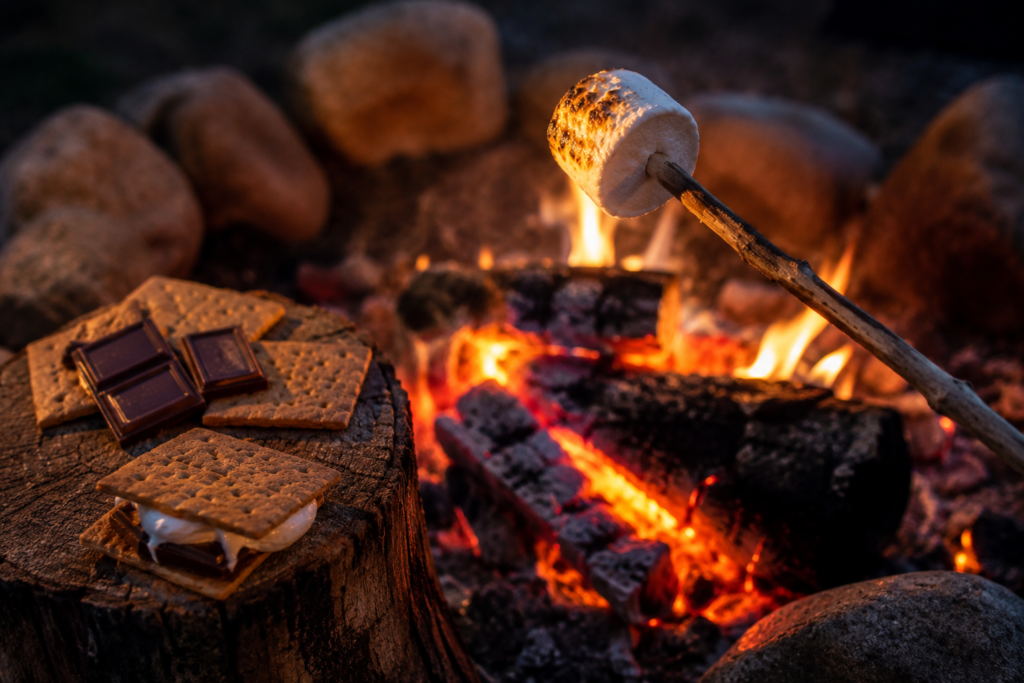
Dessert at camp is not compulsory — but it is almost always appreciated. Here are the options that are worth the small extra effort.
- S’mores: The classic. Toast a marshmallow on a stick over campfire coals, sandwich with chocolate between two digestives or graham crackers. No recipe needed and genuinely delicious.
- Foil packet banana: Make a slit lengthways in an unpeeled banana, stuff with chocolate chips and mini marshmallows, wrap tightly in foil, and cook over campfire coals for 8-10 minutes. Eat with a spoon directly from the foil. Extraordinary for almost zero effort.
- Campfire hot chocolate: Heat milk (or water plus powdered milk) in a pot, add good quality dark chocolate or drinking chocolate powder, stir until melted. Add a pinch of cinnamon and a pinch of chilli for a version that tastes genuinely special outdoors.
- Dark chocolate as-is: One of the most calorie-dense and mood-lifting treats available at camp. Break it up and pass it round after dinner. Requires zero cooking and costs nothing extra.
If you would rather not cook at all and still eat well outdoors, our glamping trip planning guide covers the accommodation types that include full kitchens, BBQ facilities, and even on-site chef services.
Camp Food Safety: The Basics Every Beginner Should Know
Food safety outdoors is simpler than it sounds — a few basic habits cover the main risks and keep your camp cooking enjoyable rather than stressful.
- Keep cold foods cold: Perishables like meat, dairy, and eggs need to stay below 4°C (40°F). A good cool box with ice or frozen gel packs handles this for 2-3 days in normal conditions. Eat perishable items in the first days of the trip.
- The danger zone: Bacteria multiply rapidly between 4°C and 60°C (40-140°F). Food left in this range for more than 2 hours should be discarded. When in doubt, throw it out.
- Cook meat thoroughly: Poultry to 74°C (165°F), ground meat to 71°C (160°F), whole cuts to 63°C (145°F). A small instant-read thermometer takes up almost no space and removes all guesswork.
- Separate raw and cooked: Raw meat in separate bags and containers from everything else. Wash hands (or use hand sanitiser) between handling raw meat and touching anything else.
- Use clean water for cooking: Every drop of water used for cooking in the wilderness should be treated. Boiling is the most reliable method — the same boil that purifies drinking water also makes water safe for cooking.
Every drop of water you use for cooking in the wilderness should be treated first. Our guide to purifying water in the wilderness covers every method worth knowing.
Cooking smells attract wildlife — especially in bear country. Our wildlife safety while camping guide covers food storage in bear country and how to keep a clean camp.
Camp Cooking Hacks That Actually Make a Difference
These are the small habits and tricks that experienced camp cooks use consistently — and that beginner camp cooks wish they had known from the start.
- Coffee filter as a pre-filter: If your water source is slightly murky, pour it through a coffee filter before your main purification method. Removes sediment and significantly improves the taste of your cooking water.
- Spice kit in a single container: A small pill organiser or set of tiny containers holds salt, pepper, garlic powder, paprika, cumin, and chilli flakes in one lightweight, compact unit. These six spices cover the vast majority of camp cooking flavouring needs.
- Eat from the pot: For solo and pair cooking, eating directly from the cooking pot eliminates bowl washing entirely. Use a silicone spatula to get every last bit — nothing wasted, one item to clean.
- The grease-free wipe: Before washing up, wipe pots and pans with a piece of kitchen roll to remove the majority of grease. Biodegradable soap then cleans the rest with minimal water. Reduces the amount of grey water you need to dispose of and cleans cookware far faster.
- Windshield always: A simple folding windshield around your stove cuts fuel use by up to 30-40% and reduces boiling time significantly. One of the highest-value items in any camp cooking kit relative to its weight and cost.
- Wash up 200 feet from water: Always wash up well away from lakes, rivers, and streams. Use biodegradable soap and scatter the grey water rather than pouring it in one place.
Our sustainable camping and Leave No Trace guide covers washing up, waste disposal, and keeping the environment clean for every camper who comes after you.
Frequently Asked Questions About Easy Camp Cooking for Beginners
What is the easiest camp meal for beginners?
One-pot pasta is the most reliable and forgiving easy camp cooking for beginners meal available. Add pasta, tinned tomatoes, canned beans, olive oil, dried herbs, and enough water to cover — simmer until the pasta is cooked and the liquid absorbed. Season well and eat directly from the pot. It is ready in 15-20 minutes, uses minimal equipment, leaves almost nothing to clean, and tastes genuinely satisfying after a day outdoors.
What camp cooking equipment does a beginner need?
The minimum kit: a single-burner camp stove and fuel canister, a 1-litre pot with a lid, a small lightweight frying pan, a spork or spoon, a small sharp knife, a flexible cutting board, a lighter, and biodegradable washing up soap. For car camping, add a two-burner stove and a cast iron skillet for significantly more cooking flexibility. Everything else is supplementary — start simple and build from there.
Can you cook proper meals while camping?
Yes — and they often taste better than the same meals at home. The combination of fresh air, physical activity, and the novelty of outdoor cooking genuinely improves how food tastes. One-pot pasta, foil packet meals, breakfast scrambles, couscous dishes, and campfire pancakes are all perfectly achievable for a complete beginner with basic equipment. The key is good preparation before you leave home rather than complexity at the campsite.
How do you clean up after cooking at camp?
Wipe cookware with a piece of kitchen roll to remove grease before washing — this reduces water use and washing up time significantly. Wash up at least 200 feet from any water source using biodegradable soap. Scatter grey water rather than pouring it in one spot. Pack out all food waste — never bury or leave food scraps at a campsite, as they attract wildlife and damage the ecosystem for other campers.
What food should I bring on my first camping trip?
Keep it simple for your first trip. Day one: pre-assembled foil packet meal (prepared at home) for dinner and overnight oats for the next morning. Day two onwards: one-pot pasta or couscous for dinner, scrambled eggs for breakfast, tortilla wraps with canned beans and cheese for lunch. Snacks throughout: trail mix, energy bars, nut butter sachets, dried fruit. Have at least one no-cook meal option available for evenings when you are too tired to cook.
You Are Already a Camp Cook: Your First Meal Starts Here
The only thing standing between you and genuinely good camp cooking is your first attempt. Everything in this guide is learnable on a single trip — and every camping trip after that makes it easier, faster, and more enjoyable.
Start simple. A pot of one-pot pasta on your first night. Overnight oats in the morning. A foil packet you assembled at home for the second evening. Build from there. Within two or three trips, you will have a repertoire of reliable camp meals that you make without thinking — and that taste better than most things you cook at home.
That is the thing about easy camp cooking for beginners. It stops being beginner cooking very quickly. It just becomes camp cooking — one of the most enjoyable things about spending time outdoors.